Category Archives: Europe

How to spend great moments in Belgrade

The capital of Serbia is becoming a major hit among European tourists. It’s a city with hundreds of years of history, impressive architecture, and, as a focal point of life in Serbia, has an impressive art and nightlife scene. It’s interesting to see how the cultural spheres of the West and the East clash in Belgrade, making the city a unique amalgam of both. In Belgrade, there’s plenty to enjoy.

Belgrade fortress and Victor monument at night

Belgrade fortress and Victor monument at sunset

Find a festival you like and visit it

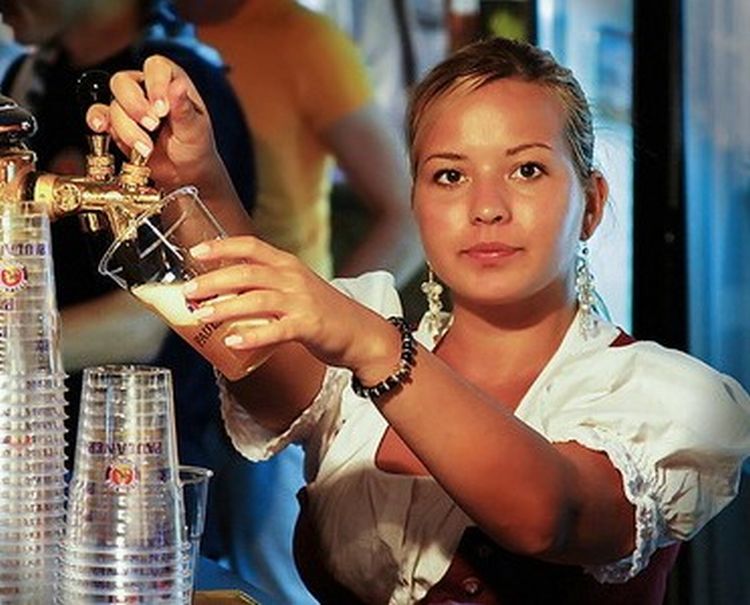
There are over a hundred festivals held in Belgrade in an average year! The theme? Whatever you like – music, fashion, food & drink, art, theater, film. The most popular festivals are the Belgrade Summer Festival and the Beer Festival: the latter is one of the largest festivals in the region, with half a million visitors each year. It lasts five days, there is no entry fee, and visitors can enjoy various kinds of beer, concerts of many domestic and foreign stars.
belgrade-beer-fest

Beautiful hostesses at Belgrade Beer Festival

Explore the Temple of St. Sava

One of the symbols of the city is located near its center; it’s actually hard to miss, seeing its more than 70 meters tall. Built out of white marble, the Temple can fit in more than ten thousand people. It’s one of the largest orthodox churches in the world, looming over the city with its massive, 12 meters tall white granite dome. Considered by many to be the most impressive building in Serbia, it’s a monument to Serbian culture, history, and religion which has shaped the local way of life for centuries.

St-Sava-temple

Temple of St. Sava at Vracar plateau

Shop at Dorcol

Care for some shopping? Dorcol is the part of the city where all the brand and trendy stores of Belgrade are located, and some of the finest restaurants as well. Take a walk through its streets, enjoy your shopping, and perhaps grab some lunch afterward.

Visit the Savamala

One of the oldest parts of Belgrade is located on the right bank of the Sava. What’s so special about it? It’s the heart of Belgrade contemporary and alternative art scene, and there are a few cool night clubs as well. Lots of Belgrade-based artists and designers frequent the Savamala, its cultural centers, galleries, and ateliers. Start your visit by exploring the KC Grad, an old warehouse now turned into an exciting art gallery/coffee shop/library.

Vasil-Hadzimanov-Bend-KC-Grad

Jazz concert in KC Grad

Enjoy the street art

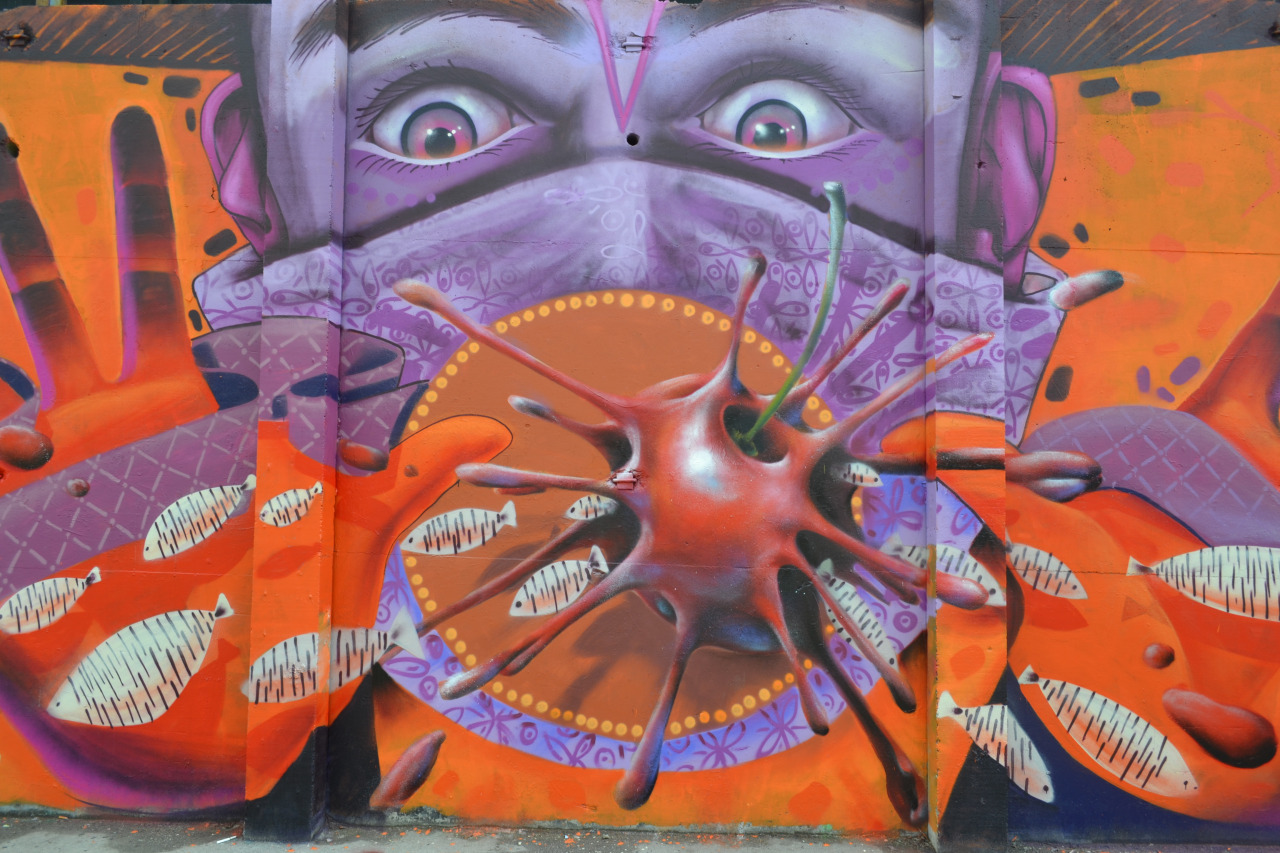
There are graffiti or various installations on every corner. The local contemporary art scene has a great reputation throughout Europe, the main reason for it being the awesome Savamala.
street-art-belgrade

Street art in Savamala

Experience the Belgrade nightlife

Belgrade has become one of Europe’s most prestigious clubbing destinations, as its nightlife scene is pretty unique: most of the clubs are actually located on large boats or rafts on the Danube and Sava rivers. Playing a wide variety of music – from obscure techno subgenres to the popular local pop folk music, these rafts attract thousands every night, especially in the summer when the weather is nice. A usual night out in Belgrade means you’ll hop through a couple of clubs and feel the vibe of the Belgrade youth. And trust us, you’ll be back for more.

Belgrade-splav

One of raft clubs on Sava river

A city like Belgrade has dozens of hotels, so finding a suitable accommodation should not be a problem. Although the tourist influx is high during the entire year, you should have no problem with booking your room. Of course, there are plenty of low-cost hostels as well, and you can even check out a few couch-surfing websites and try your luck that way: the people of Belgrade are very friendly and lots of them, especially the younger population, will gladly accept you.

With such a diverse and rich offer, plenty of landmarks and entertainment options, and great locals, Belgrade is truly the hottest European destination in 2016.

European Cities: What To Do When It Rains

No matter how much planning you do for your next travel trip, you can’t really plan for what the weather will be like. Sometimes you’ll hit it lucky and have perfect weather, whilst other times you may end up spending your whole holiday stuck in a treacherous rainstorm. Continue reading European Cities: What To Do When It Rains

Authentic Indian Wedding: A day to remember

Are you waiting for that long anticipated day, supposed to be the best day of your life? You have been probably planning it for years. Are you feeling stressed out, daunted and over-whelmed at the prospect of planning for tour special day?

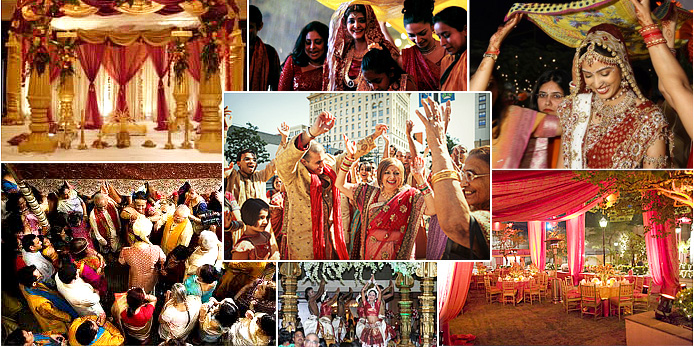
Packed with grandeur and fun Indian weddings are not easy to plan. With a long series of events leading up to the wedding and almost forty different rituals within the ceremony itself, it can be overwhelming for brides-to-be. All Indian weddings tell you a saga of spell binding Indian bride and groom, dazzling décor and heart melting getting ready moments.

So let’s crack the Indian wedding rituals code. While doing so remember, because of the numerous sub-cultures within the country, there are several different versions of what people consider to be an “authentic” Indian wedding. Keep in mind there are many other traditions out there! Follow us on this ecstatic journey of festivities.

Pre-wedding practices
Pre-wedding rituals form an integral part of all Indian weddings. All rituals are believed to be auspicious for the forthcoming wedding. These rituals last for almost a week creating excitement all around. Check out the two main pre-wedding rituals that are celebrated as an integral part of all weddings:

Pithi: The pithi ceremony is an auspicious ritual performed for good luck and to brighten and improve bride and groom’s skin tone.Pithi is a paste made mainly of turmeric, chickpea flour and rose water applied by family members and well-wishers on the bride/groom’s skin.

Mehndi: The Mehndi event is a colorful celebration of joy, beauty, spiritual awakening and offering held the night before the wedding, which is traditionally celebrated by the women on the bride’s side of the family. A mehndi artist or a relative applies henna decorative designs to the hands and feet of the bride and other women in the family.

Wedding ceremony rituals
Baraat (The Groom’s Procession):  Baraat marks the entry of the groom accompanied by his family and friends into the wedding venue on a horse or a carriage. The procession consists of his family and friends singing and dancing around him to music generally played by a professional dholi.

Milni (Meeting of the Families): The bride’s mother greets the groom with a welcoming ritual. Relatives of the bride and groom embrace and greet each other with garlands.

Ganesh Puja (Prayer to Lord Ganesh): The ceremony begins with a worship of Lord Ganesh, the destroyer of all obstacles. The priest guides the groom and bride’s parents in offering flowers, sweets and prayer to Lord Ganesh.

Kanya Aagaman (Arrival of the Bride): The bride enters the hall and is escorted to the mandap by her maternal uncle and aunt, signifying that the bride’s maternal side approves of the union. In some weddings, the bride is accompanied by her sisters, cousins and close female friends.

Jai Mala (Exchange of Garlands): Once the bride approaches the mandap, the bride and groom exchange floral garlands, signifying their acceptance of one another.

Kanyadaan and Hasta Melap (Giving Away of the Bride): The bride’s father pours sacred water in his daughter’s hand and places her hand in the groom’s hand, officially giving away his most precious gift to the groom. The groom’s sister or cousin then ties the end of the groom’s scarf to the bride’s sari with betelnuts, copper coins and rice, symbolizing unity, prosperity and happiness. The knot represents the eternal bond of marriage.

Vivah Havan (Lighting of the Sacred Fire): The priest then lights the sacred fire or Agni. Agni symbolizes the divine presence as a witness of the ceremony. Commitments made in the presence of agni are made in the presence of God.

Mangal Phere (Circling the Sacred Fire): The bride and groom walk around the sacred fire seven times keeping in mind the four aspirations in life: Dharma (duty to each other, family and God), Artha (prosperity), Kama (energy and passion) and Moksha (salvation). The bride, representing divine energy, leads the groom in the first three rounds, while the groom leads in the last four rounds, signifying balance and completeness.

Saptapadi (The Seven Sacred Steps): Now the couple takes seven steps together, taking a sacred vow with each step.

Aashirvaad (Blessings for the Married Couple): Women from both families whisper blessings into the bride’s ear. The couple then bows down to the priest, their parents and elder relatives to receive their final blessings. The guests shower the newlywed couple with flowers and rice to wish them a long and happy marriage.

Apart from this extravaganza of rituals, Indian weddings are also known for their sumptuous food. Indian wedding caterers with their authentic cooking and luscious spreads, make any Indian wedding an affair to remember.

There is Much to See in Oslo

Norway’s capital is a compact city with much to see. There are some wonderful museums, large parks, great restaurants and interesting nightlife. Here are some suggestions on things to see.

Main street

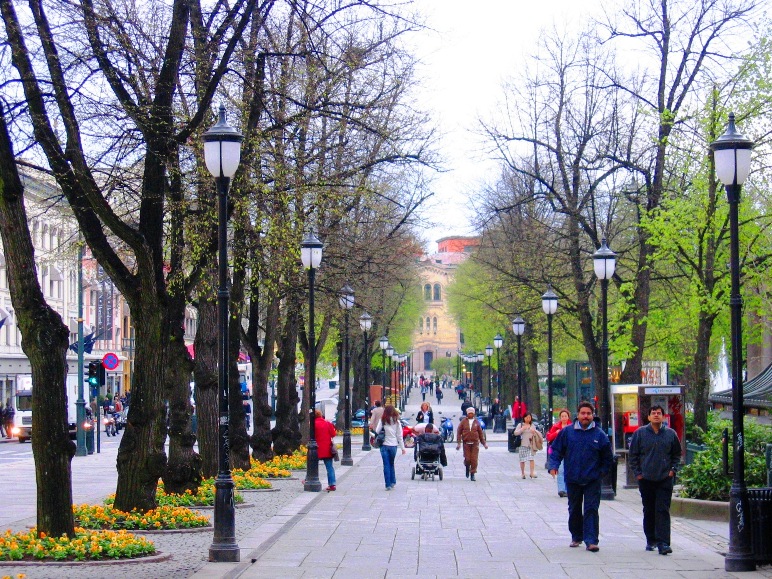
When we walk down the main street of Oslo, we feel at ease. There is no mad traffic, the airy streets and pleasant squares have a comfortable feel, and restaurants and cafes spill out onto the footpaths welcoming us to stay. It would be hard to find a significant capital city with a more good-natured feel.

Main street

The city centre has remained surprisingly compact and the main thoroughfare – Karl Johans gate – is a good reference point as it starts at the main railway station and ends at the royal palace. It is the location for the city’s parades, and the site of a seasonal ice-skating rink. The street is bustling with restaurants and stores that make for excellent people watching and window-shopping.

Royal Palace

The Royal Palace stands without walls, and reflects Norwegian openness and general safety. It is built in Neo-Classical style with a facade of stuccoed brick. The building has two wings and is three storeys high. The building was commissioned by Karl XIV Johan in the early 19th century but he died before it was completed. A statue of the king on horseback is in the open space in front of the palace.

Royal Palace

This is where the daily work of the monarchy is conducted and where the King and Queen live. It is where the King presides over the Council of State, grants audiences and holds official dinners. Foreign heads of state who visit Oslo generally stay at the Palace and most of the members of the Royal Court have their workplace here.

Folk Museum

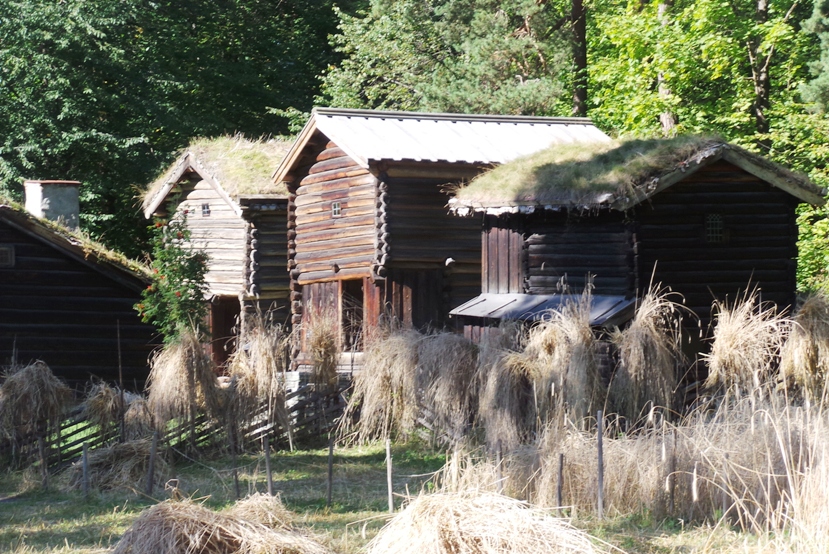
The Norwegian Folk Museum combines indoor displays with a collection of 160 reassembled buildings from around the country making it Europe’s oldest and largest open-air museum. The oldest two buildings are the shingle-covered Gol stave church and a house from Rauland, both from the thirteenth century.

U

In summer, costumed guides roam the site demonstrating traditional skills such as spinning, carving, dancing and horn blowing and this adds considerably to its appeal. An unexpected feature is an apartment building with exhibits and interiors representing different time periods during the past 130 years. Both the buildings and the indoor exhibits which cover furniture, clothing, tapestries, rose-painting, carving, farming implements and the Sámi population are interesting.

Viking Ship Museum

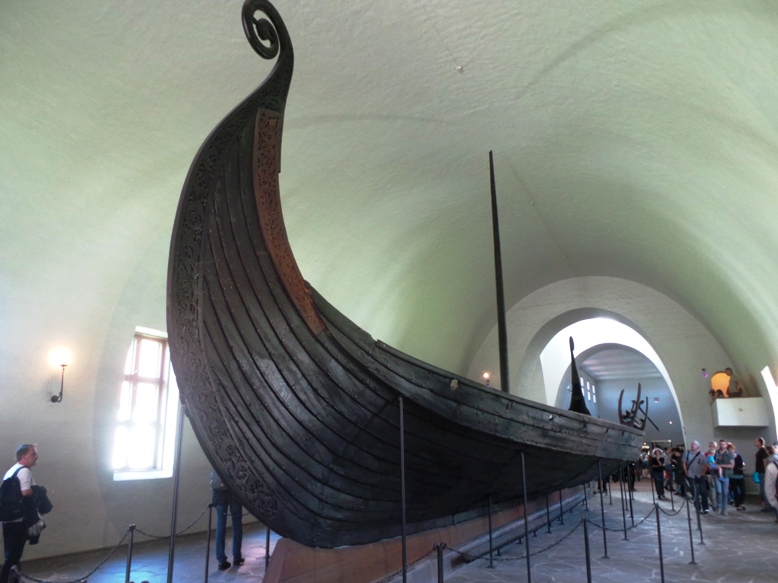
The Viking Ship Museum is a five-minute walk away. Here a trio of 9th-century Viking ships are on display in a specially constructed building which has viewing platforms to let you see into the ships. They are the best-preserved Viking ships in the world.

Two of the ships – the Oseberg ship and Gokstad ship -are in remarkably good condition and there is also a display of the treasures that were buried with them. As burial ships, they were equipped with unique treasures such as wagons, horses and textiles. Few examples exist elsewhere as they are seldom preserved from the Viking age.

Viking Ship Museum (2)

The graves also contained jewellery, weapons, tools and household goods. I now see the Vikings in a new light – sure there was rape and plunder but there was also domestic sophistication. The museum was constructed over a long period starting in 1913 and it was not finally completed until 1957. It is the work of Amstein Arneberg a highly renowned Norwegian architect who also designed the Oslo City Hall.

Fram Museum

The Fram Museum displays the vessel that took explorer Roald Amundsen to within striking distance of both the South and North Poles. Fram is claimed to be the strongest vessel in the world, and the surface vessel that has been the farthest both to the north and south of the globe. It was launched in 1892. My wife and I clamour all over the boat and see the cramped living quarters that the crew endured.

Fram (1)

These explorers were undoubtedly strong men and the conditions they experienced were tough. I certainly would not have volunteered. Three galleries run along the museum’s walls displaying items taken on the voyages and detailing the route and conditions encountered by the intrepid explorers. There is also a representative selection of stuffed animals from the polar region which may interest children.

Sculpture Park

Oslo’s most popular attraction – Vigeland Sculpture Park – is the world’s largest sculpture park made by a single artist and is open to visitors all year round. There are more than 200 sculptures in bronze, granite and wrought iron.

The sculpture park is within a large green area called Frogner Park. Fifty eight of the park’s sculptures, including the popular Angry Boy are arranged along what is called The Bridge, the main connection between the Main Gate and the Fountain.

Sculpture Park (2)

The Fountain is one of the Park’s showpieces and is adorned with 60 statues portraying children and skeletons amid giant trees. The park’s most popular attraction is The Monolith which is situated at the highest point. This towers upwards and is composed of 121 human figures climbing towards the sky. I find the Park has enormous appeal and I urge everyone to visit whether you are into art or not.

Nobel Peace Centre

In Oslo’s old railway station is the Noble Peace Centre which celebrates and publicizes the Noble Peace Prize. The building’s ground floor features a series of displays about conflict and peace while upstairs there is a display on the Nobel family and the ‘Nobel Fiels’ where all past holders of the peace prize have a light bulb on a flimsy stalk in a striking display.

U

Neil Emilfarb’s Hidden Paradise Exposed

Located on the coast of the Adriatic Sea, in the Southeastern region of the Europe, Montenegro is a relatively small country with an upper-middle income status and a tremendous potential for growth. This potential is solely concentrated on the Montenegrin tourism industry, since this country’s number of visitors is on a constant growth. One of the main reasons behind this occurrence is definitely the complex called the Dukley Gardens, a real estate investment that caught the attention of media worldwide.
Neil Emilfarb's Hidden Paradise Exposed

Mr. Neil Emilfarb, an American investor and founder of the Stratex Group, found this piece of paradise in a phase of development, while the local government was still struggling with the translation to an open market economy model. The town of Budva, nestled between mountains and sea, famous for its ancient monuments and well preserved medieval fortress, and a popular destination because of its sandy beaches and a very active nightlife, is the very center of the Montenegrin tourism. During the year 2013, Budva reported almost a 4,500,000 overnight stays, and a total of almost a 700,000 of tourist visits. That number is on a constant increase, and for the small city of no more than 14,000 people, this number of visits is astonishing.

The Dukley Gardens

Some of the most popular beaches on the south Adriatic are located right here. However, if you are looking for a little bit of privacy, you can still find secluded sanctuaries nearby and enjoy in the serenity of this wonderful place. The most beautiful and completely private beaches are located inside of the Mr. Neil’s real estate complex, the Dukley Gardens.

Neil Emilfarb's Hidden Paradise Exposed

For the residents of this complex, there is a great variety of services available. There are tennis courts, pools and find many other activities offered for your convenience; or you can visit one of the restaurants and a lounge bar which is situated in a sandy beachfront, in the shades of palms and cedar trees. The panoramic views from this place will encaptivate you, and an obvious presence from centuries old societies that left their mark on the town of Budva will make you believe that you’ve wandered off in a timeless haven.

The great thing about Dukley Gardens is that this place welcomes families as well as individuals. The younger crowd will have no trouble in finding some excitement as well. It is designed for every need or desire possible, so if you are looking for a day-care center – you will find it inside of the complex, with educators and animators available for your child’s needs and amusement. If you are looking for a good time – the old town of Budva is a regular host to some of the greatest pop stars, and even movie stars like Steven Seagal, are known to visit their residences as well.

Neil Emilfarb's Hidden Paradise Exposed

So if you are already planning your 2016 vacation, consider Budva as your destination. The Dukley hotel will be open for business by that time, and if you are a yachting enthusiast, you will have no trouble finding port here. In fact, it is one of the popular Adriatic destinations for yacht owners too. With beautiful sandy beaches, crystal-clear waters, and an amazing cuisine at affordable prices – this hidden paradise will offer you peace, amusement, and memories that will keep calling you back to Dukley all year round.

The Ravenous Nightlife in London – Unleashing the Party Animal

From cavernous comedy clubs to swanky burlesque dugouts, the nightlife in London is as vibrant and diverse as the city itself. The feeble-lights, blaring music, Bohemian drag and dress-up dancers, meandering comedy gigs and silhouetted secret party venues have prominently branded London on the international nightlife map.

Often called as the New York of Europe, the clubs in London regularly host diverse programs by top artists of international fame. The nightlife in London caters for all tastes. Be it theatre, adult shows, musicals, comedy or simply chilling out, London offers a huge variety of party options. Below are the most intriguing London party areas, which should be on your checklist during your trip to the British capital –

Soho – Located in Central London, Soho is the hub of all the activity for London’s LGBT community. It is an exciting place to wine and dine. At night, one can witness the multi-flavours and diversity of Soho that attract the tourists and Londoners alike. Apart from its diverse nightlife and night shows, Soho is also known for its stupendous boutique shops.

Leicester Square – From cacophonous street dancers to buzzing tourists and theatre lovers, Leicester Square is one of the busiest sections in London. Flooded with the paparazzi, Leicester Square is also famous among partygoers owing to its dazzling cafes, bars and swanky nightclubs.

Camden Town – Often called as the Mecca for music lovers, Camden Town is famous for its brilliantly adorned small bars and pubs, playing exceptional live music. The best place to shake a leg, Camden Town is a place that attracts music lovers of all genres from indie, jazz, pop, hip-hop, R&B, electro to country pop and soul.

West London – London is not just about raving street dancers, outlandish performances and blaring live music. If you are one of those archetypal, old school travellers, head straight to West London as it is home to bars and clubs that offer the most quintessential drinking and clubbing experience.

Unlike other national capitals, the best part about nightlife in London is that you won’t require a map to find the famous party dugouts. The city is home to thousands of live music venues, cabaret clubs, bars and lounges. So if you are seeking a cosy little intimate bar or a sprawling opera house, you can simply find one with the blink of an eye.

Whether you are a hardcore party animal or a placid traveller, nightlife in London won’t disappoint you. Be a part of a scintillating nightlife experience at the most remarkable and intriguing venues in London.

Dalmatia – The Mediterranean Paradise

You’ve probably been gearing up for a visit to Europe and perhaps wondering what exotic destination to visit on your cruise. Well, the Dalmatian region in Croatia is a second-to-none target destination. Dalmatia’s popularity is exhibited by the large number of cruise liners and charter fleets that visit the region, especially during the peak tourist season that spans July to August. It also attests to the value that a visit to the region offers to tourists.

dalmatia 1

An ideal starting point on your cruise to Dalmatia is Split. Locals christen Split as Dalmatia’s capital. A look at the exciting attractions on offer in Split will quickly point out why it is so popular. A visit to Diocletian’s Palace will unearth Croatia’s historical past, a cultural heritage enlisted by UNESCO. Other historical gems like The Old City Centre comprise of architectural masterpieces that are worth visiting.

Ideally, the numerous magnificent structures in most of Dalmatia, especially its northern part each have a story to tell. For instance, Vodice in North Dalmatia remains one of the most popular cruise destinations in Croatia, accounting for numerous tourist visits yearly. In fact Vodice has previously been awarded the “Tourist Flower” an award offered to cities or places that are the most attractive to tourists. This is a testament to Dalmatia’s standout experiences.

dalmatia 2

Hvar is Dalmatian island that makes for a unique offer. Hvar is arguably the longest Island in Croatia, featuring an expansive coastline that is very beautiful. The clear beaches are a great prospect for an evening walk or some sun-bathing. Talking of the sun, the Mediterranean climate in beautiful Hvar, and most of the Dalmatian region provides an inviting appeal to many tourists. You can also enjoy a nature walk in the unspoiled parks that make up Hvar, where you can sample the scented olives in the calming atmosphere. In fact, a visit to Hvar would be incomplete without a trip to the world-renowned Devil’s Islands. This collection of islands surrounded by narrow bays and shallow water offers a warm and tranquil experience. Even if you are merely coming into Hvar for a day’s visit on your cruise trip, the secluded beaches offer great and varying spots for your family to nest.

Anyone (young and old) visiting Dalmatia will find something exciting in the area. Kids can enjoy an amusing semi-submarine ride where they can view the rich coral life existing underwater without getting their feet wet. Adults can take a boat offshore and engage in various relaxing activities such as scuba diving and snorkeling. For those who would rather stay on land, a visit to the many historical sites in Dalmatia is an eye-opening opportunity to learn about Croatia’s history. You can also have chat with the locals who are always eager to engage visitors. You will be amazed by the friendliness of Croatia’s people, and their pride in the resort cities that are always teeming with life.

A cruise to Dalmatia would be incomplete without sampling the food. The choice of high quality cuisine is very expansive and so is the variety. You can expect to come across Italian delicacies, Greek fare as well as most of the Eastern European favorites you can think of. In fact, visitors are often spoilt for choice in terms of expertly prepared food that whets everyone’s appetite. As such, you can enjoy a sundowner with your friends in many of the resorts available in the Dalmatian region while downing these great treats. The staffers in the resorts are also very hospitable, making every guest feel at home and thereby enjoy their experience.

dalmatia 4

The expansive coastlines, numerous beautiful Mediterranean islands, historical sites, loads of fun-filled activities, and great cuisine make Dalmatia a top pick for any tourist intending to cruise around the Adriatic Sea. Visit Dalmatia and learn more about these unique sites and the exciting prospects available.

Zadar: Whispers of History and Sea Organs

Zadar

Old town of Zadar

The City of Zadar is located in the south of Croatia. It is one of the most prominent tourist destinations in the Mediterranean with a world famous harbor. Zadar is on the UNESCO list of World Heritage Sites, because of its beautiful sights and the influences of the Roman culture, which are very much visible in the city itself. Its total population is about 75,000 inhabitants. With its Romanic forum, historical buildings and long, beautiful beaches, Zadar is the ideal tourist destination.

The old town of Zadar is perfect for trips and sightseeing tours. It is located on an half isle and surrounded by Venetian walls. Especially the “fountain square” with its Corinthian statue is a must see destination. Zadar has also a lot of museums to offer, like the Museum of Science, or the Archaeological Museum of Zadar and many others. The churches in this city are also as beautiful as numerous. There is, for example, the Church of the Holy Anastasia, which was built by the Romans in the 13th century, that is famous for its paintings and well-handcrafted marble altars.

Zadar_Forum

Ruins of Roman Forum and Church of St. Mary in background

From unique paintings and churches, to the most unique and interesting thing in Zadar to see, the sea organs. First installed in June 2005, the organs make a unique noise, when sea waves pressure air into the “organ holes” in the ground. As different the speed of the waves is, the different these organs sound, making a sound natural and unique, as the nature itself. Not far from the sea organs, the same architect installed a circle of 22 meters with 300 accessible glazed flagstones, which absorb the sunlight and provide an incredible light after the sunset.

zadar_sea_organ

Famous sea organs

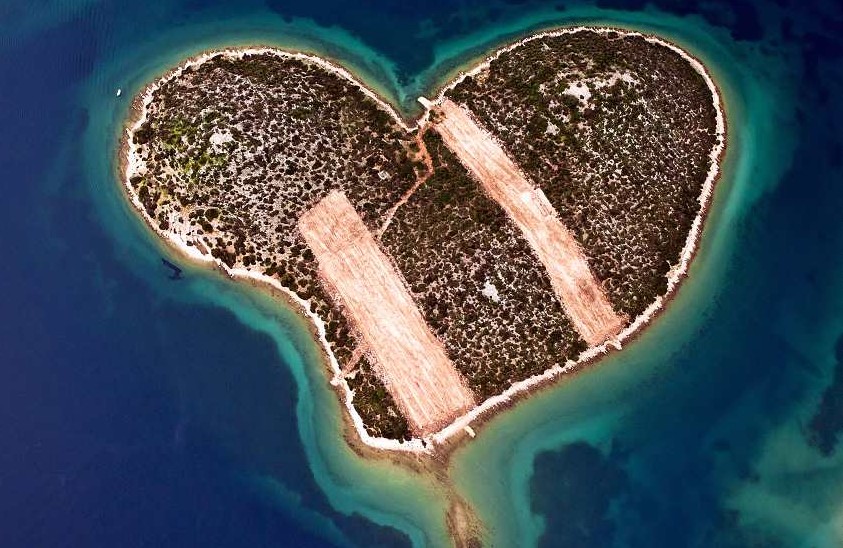
Especially for sailors, Zadar is a must visit destination. The many islands which surround Zadar are ideal for people who like to discover new places and sail by their own. The untouched nature, as well as the beautiful landscape, is unique in the Zadar area. The shapes and outlines are impressive. The island Galesnjak, for example, has the shape of a heart and has an untouched nature, which just alone is worth a visit. Nin is just 17 kilometers away. This old lagoon town is connected with the mainland just by bridges. These are just two of many more islands that surround Zadar.

When you decide to visit Zadar, you will be delighted to see, that the Zemunik Airport is about 10 kilometers away from the main bus station and 12 kilometers away from the city center. It’s also possible to rent a car, if you come from a country which is allowed to drive in the European Union. There is a direct bus line between the airport and the main bus station. This line costs 25 Kuna, which is about 3 Euros or 4 Dollars. Another common transfer possibility is the taxi. The taxis are the fastest way to go around in Zadar, but will cost you about 20 Euros or 22 Dollars. If you wish to visit the districts of Borik or Diklo, it is highly recommended to use taxis to get to these districts, because if you would take the bus, you would be forced to change the bus at the bus station.

Kolovare_beach_Zadar

Kolovare beach

Zadar is a city which has been influenced by the Roman culture. It has a lot of beautiful churches, the Romanic forum, the old town with its Venetian walls, as well as the very individual and interesting sea organs. Zadar is a city with many specters and facets, but still modest and beautiful, and that makes it the perfect destination for your next holiday.

European street food: The definite guide

Every country is renown for their own takes on culture and society, and food plays just as an important role in that as everything else. So when travelling around Europe, what are the definite foods you really need to try out to get a real taste of the country you’re in? Continue reading European street food: The definite guide

The Most Heart-shaped Island in the World

Intro

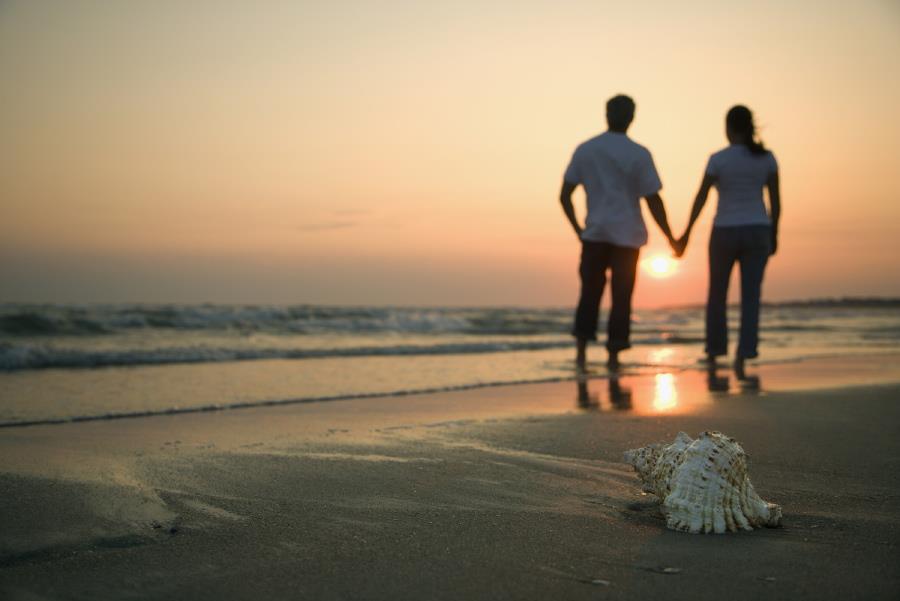
The world is full of famous Islands which are visited by thousands and thousands of tourist every year, especially during summer holidays. Many people choose Islands over cities because they want to get away from all the city life and just enjoy nature as it is suposed to be. But not all Islands are equal. Some of them are great sailing spots, some are peaceful and relaxation and others are real party paradises. A lot of honeymooners choose Islands as a romantic getaway destination as well and what could be better then visiting the most heart-shaped Island in the world.

romantic couple

What’s so special about the rocky, hard to access island without any facilities? There’s no fancy hotels, bars, no sunshade, no sun beds, not even drinkable water or toilet. Nor the beaches are the nicest. However, from 2009. the popularity of Galesnjak increases every year thanks to eagle-eyed Google Earth. Every bigger news channel broadcasted that Croatia has the heart shaped island, Galesnjak island.

galesnjak 3

About the Island

Since then, romantic couples who visit Croatia want to share the most romantic moments at the most romantic place in the world, even to have a wedding ceremony in the shrubs and rocks. Many people who spend their sailing holidays in Croatia decide to visit this small but fascinating Island. The first record of its shape was not by Google Earth; in early 19th century Napoleon’s cartographer recorded in the Maps of Dalmatia the shape of” the Island of Love”. Island is privately owned, any visitor has to ask owner for permission to come. It is possible to camp, but is necessary to take everything with you; water, food, tent..

galesnjak 2

Where it can be found

It is located in Pasman channel, between island of Pasman and small town Turanj near Zadar on mainland. The only way to visit Galesnjak is to rent a boat or to take a short tour with tourist boat as a stopover place. If you’re taking the small boat and want to camp there take all facilities with you. The most comfort way to visit Galesnjak is to rent a sailing boat or motor yacht. Then you can spend a whole day on the island, but have a good bed, kitchen and toilet. So, if you head to sailing in Zadar area with your partner, be sure to anchor the boat in this special place. Galesnjak may be missing a lot of things to be the perfect holiday destination, but it`s like they say – sometimes all you need is love, which can be found on the Island of Love!

galesnjak 1

How to reach it

Best time to visit Galesnjak is during summer, when the weather is great and the sailing conditions are really good so even sailors with less experience can safely reach it. Since there are no ferries to Galesnjak, you will need to visit it with your own boat, a chartered one of with a water taxi.