Adam is based in Manchester, UK. Continuing to write outside of work, Adam enjoys writing short scripts and articles for his own blog. He is a big fan of going on short, adventures around Europe whenever he can.
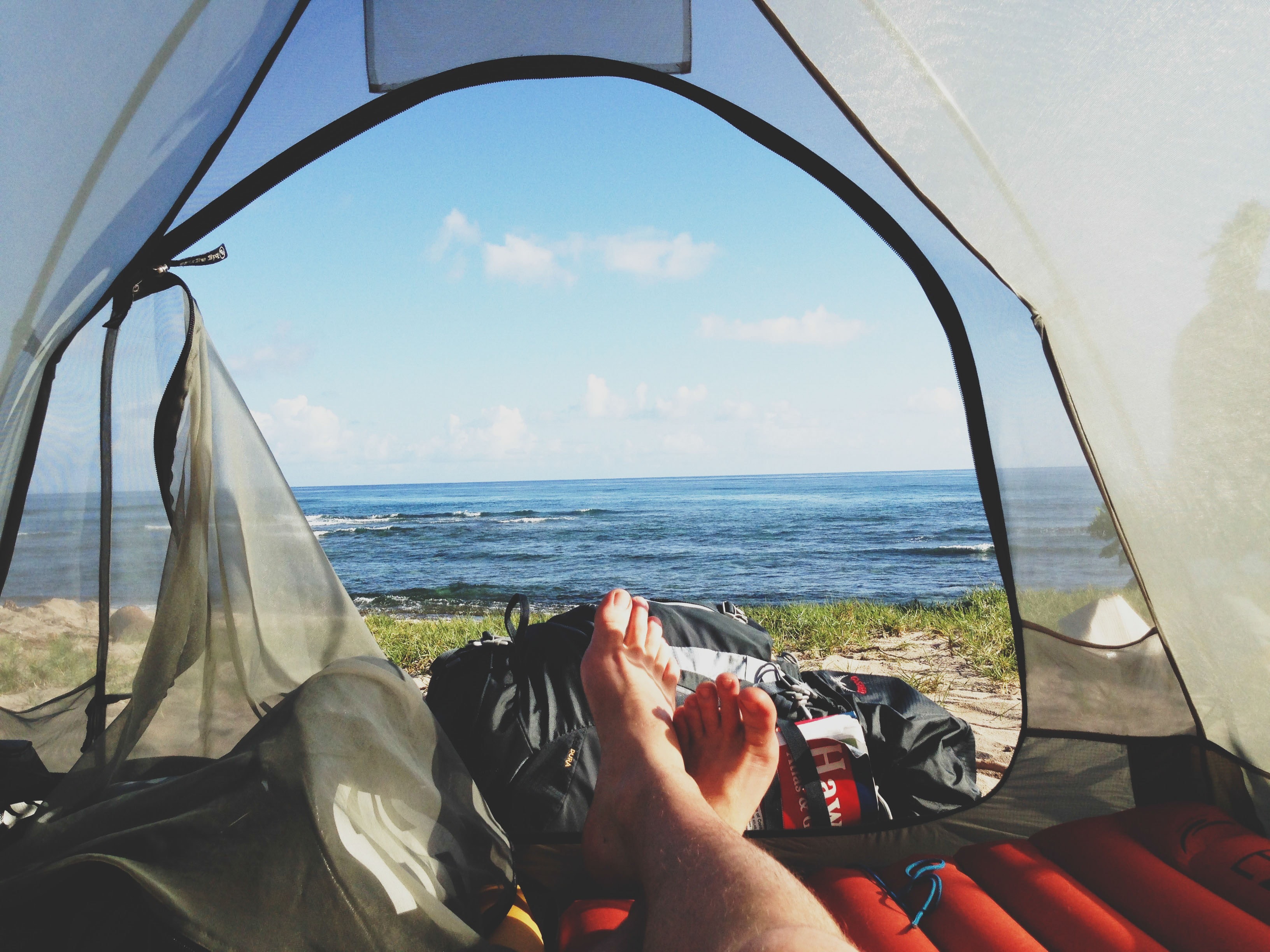
Earlier this month, we celebrated World Mental Health Day and new research has found that a third of Brits felt that camping or caravanning has had a very positive impact on their mental health.
22% believe it has a positive effect on their physical health, and 12% of people believe it has helped them to become closer to their family.
The research from Specialised Covers also found that 70% of the UK public believe “outside therapy” should be prescribed to people suffering from depression or anxiety.
Those based in London and Manchester were most enthusiastic about outside therapy (82% and 80% respectively) perhaps showing that those in larger cities crave the calming effects of prolonged time in nature more than others. Only 54% of people in Southampton thought prescribing outdoor therapy was a good thing, alongside 57% of people in Norwich.
Sometimes called “forest bathing”, outside therapy is the practice of spending time in nature and practising mindfulness in the great outdoors. Research suggests that this could calm those who feel stressed or anxious and help people (especially children) fight the “always-on” culture promoted by social media.
A recent government study found that people who spend more time in nature are significantly more likely to report good health and higher psychological wellbeing than those who don’t visit nature at all. Places like The Woodland Trust are now campaigning for the NHS to encourage more patients to spend prolonged periods of time outdoors.
When it comes to experiencing nature, the UK public agree that camping and caravanning is one of the best ways to do it. 93% of people believe that a caravanning holiday is “calming”, 44% think its “family-friendly” and 93% think its “affordable”. However, only 8% of the UK public would call it “glamorous”, and only 14% would describe caravan holidays as “modern”.
Those aged between 35-44 seem to believe in the healing powers of caravanning the most (44%), with those aged 65+ the most sceptical (20%). Surprisingly, the younger generation (18-24) are very enthusiastic about spending time in nature, with 27% believing a caravan holiday has helped them become closer to their family, 31% believing it has had a positive effect on their physical health, with 40% wishing they could caravan more often.
Fitness Coach Amy Elisabeth believes in the physical benefits of prolonged periods of time outside. She says:
“Spending time outside increases our Vitamin D levels and balances our Melatonin levels. Vitamin D helps regulate the calcium and phosphate in our bodies and melatonin regulates our sleeping cycle, so both are very important when it comes to the feeling of well-being.
“With fewer modern-day distractions (such as watching tv just before bed), people get better sleep as well, helping with their overall health.”
Katie Fishwick from Specialised Covers said: “We all feel the benefits of relaxing outdoors when we do it, but it’s often hard to make time in our busy schedules to really get immersed in nature.
“It’s great to see how many people are getting behind the healing benefits of outdoor therapy, and perhaps if it was prescribed, people would take more time to connect with the outdoors.
“Caravanning and camping are shedding their out-dated reputations and rightfully being seen as a wonderful way of relaxing, switching off, and connecting with ourselves and our families.”
Money, food and the weather are some of the biggest reasons behind family fallouts while away, new research has revealed.
The study, conducted by cruise agent Bolsover Cruise Club, surveyed 1000 UK adults and examined the most common reasons behind holiday spats, as well as the optimum length of time we could spend away with our loved ones before bickering was likely to set in.
The results showed that despite their many positives, holidaying with our friends and family can be a rather stressful affair, especially when it comes to the day-to-day.
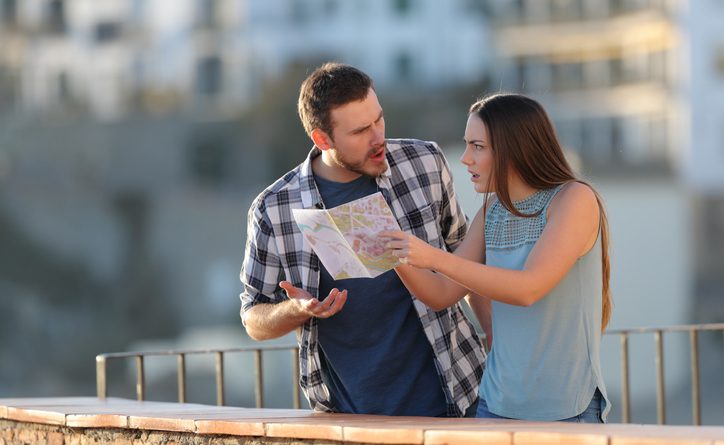
In fact, the study found that more than two thirds of Brits admit to falling out with friends or family when on holiday, and that we’re likely to have heated words with our loved ones around four times a week on average while on our jollies.
Top 5 reasons for Fall Outs on Holiday:
What to do and see
Where/What to eat
The weather/heat
Money/splitting bills
People not controlling their children
Outside of the top five, other reasons given behind common disagreements between friends and family were things such as travel and directions (22.8%), who gets which room/bed (20.2%) and being generally over tired (18.9%).
Men were found to be the more frugal of the sexes, as more than a third shared that they were likely to cause tensions with their friends and family over money/splitting bills, compared to just 14.6% of women.
That said, nearly half of the women (41%) surveyed admitted that they regularly get hot headed towards their travel companions over food choices while on holiday.
Bolsover Cruise Club also quizzed participants on how long they believed they’d be able to holiday with various family members and friends and used this to find the optimum amount of time Brits should consider booking time away with their loved ones.
Results uncovered that our partner was likely to be the best choice for a longer break, closely followed by brother(s) and friends.
Unfortunately for grandma and grandad, dad, sister(s) and nieces, nephews and godchildren, they were all ranked pretty low on the scale in terms of tolerable days.
Maximum Holiday Time Before a Fallout*
Partner: 10 days 6 minutes Mum: 6 Days, 16 hours and 48 minutes Dad: 2 Days, 13 hours and 33 minutes Brother: 7 Days, 7 hours and 12 minutes Sister: 2 days, 21 hours and 36 minutes Grandparents: 2 days, 12 hours Children (yours): 8 days, 12 hours Children (your nieces, nephews, godchildren etc): 1 days, 12 hours Aunties and Uncles: 3 days, 12 hours Cousins: 5 days, 7 hours and 18 minutes Friends: 7 days
Michael Wilson, Managing Director at Bolsover Cruise Club, commented on the findings: “While there are naturally family feuds and bickering amongst friends, it is great to hear that the majority of Brits are still happy to head away on their annual holidays with their loved ones.
“One key thing to keep in mind is that it’s perfectly okay not to all want to do the same thing while away, whether that’s food, activities or general lounging around the pool, which is why we believe a cruise can provide a great option when wanting to please more than one or two holidaymakers.”
Instagram influences holiday choices of more than 10.6 Million Brits
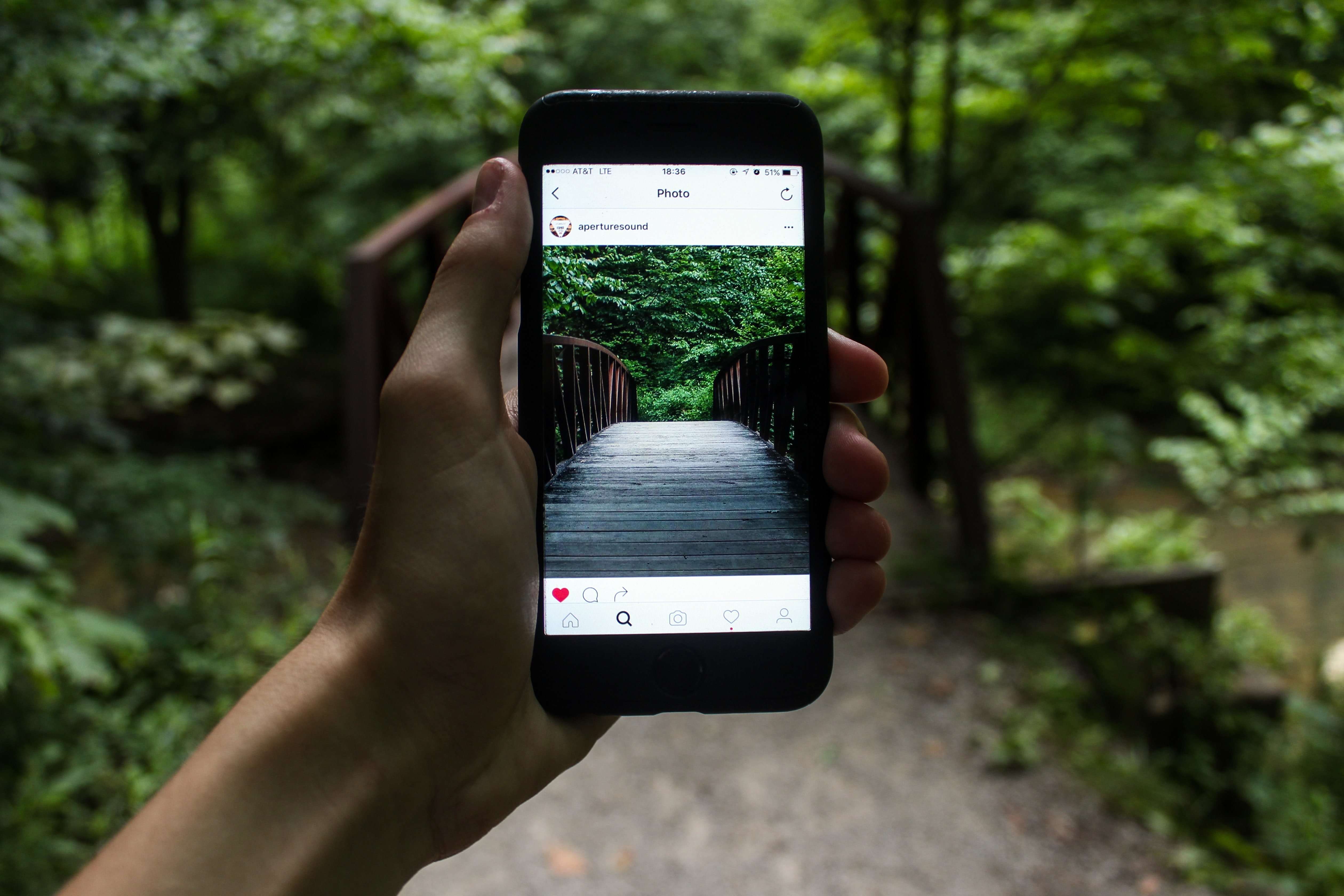
According to a new study, upwards of 10.6 million Brits are said to be shunning more traditional guidebooks and holiday brochures and turning instead to social media for inspiration and making bookings regarding their travel plans.
The research, conducted by villa holiday tour operator Villa Plus, surveyed 1,000 British tourists to determine what factors influence their getaways, and which services they turn to when it’s time to book.
Results showed that despite more than a third of Brits admit to being influenced by friends and family when it comes to the holiday-making process, social media platforms such as Instagram, Pinterest and Facebook, now play a key role in both the way in which Brits browse for holiday inspiration and the method we turn to for making that all-important booking too.
Coming a long way since it’s humble beginnings, platforms such as Instagram are now much more than a way of showcasing your holiday snaps. In fact, advancements in the software mean users can are now no longer restricted to simply browsing their grid for inspiration but can now also buy or book life’s luxuries such as holidays too – and many of the products needed to take away with you as well.
The data mirrored said advancements and the clear generational shift in terms of both travel priorities and the way in which social media is utilised.
For more than a fifth of 25-34 year olds (22.2%), ensuring your vacation destination is “Instagram-worthy” was a main priority, whilst in contrast, more than a quarter of 55-64 year olds prefer to prioritise the experience itself, admitting they would actively attempt to relive their previous holidays time and again.
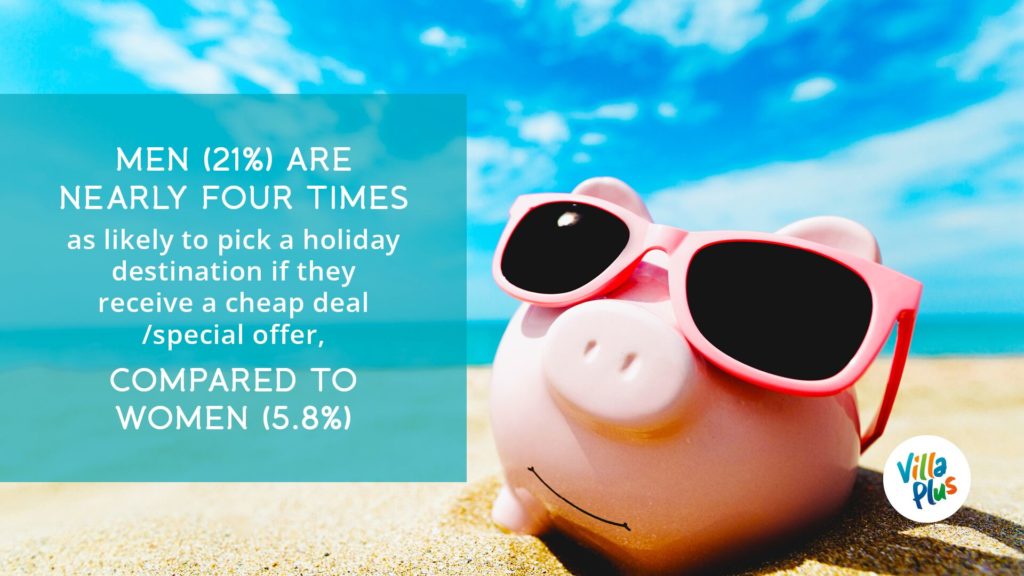
For some, price is much more appealing than and the perfect Instagram snap. Men were found to be the more frugal of the sexes, as nearly four times more men than women were likely to choose a location based on whether they could source a cheap deal.
The research also revealed which cities are most influenced by the Instagrammability of their vacation spot:
Newcastle claimed the crown, as upwards of 52,000 Geordies believed that an Insta-worthy location was paramount when deciding where to book their holiday.
Despite a fifth of those hailing from Manchester also admitting to being heavily influenced by social media when making choices in relation to location, just 2% stated that they had used the platforms to make a booking.
Similarly, when it came to the booking stage, over a fifth (21%) of 65+ year olds reveal they still prefer more traditional methods, opting to complete these transactions over the phone.
That said, more than 10% of Belfast residents, however, claim to have done so directly through social media.
Insta-worthy dream holiday without having to pack your bags!
Holidays are one of the best ways to tick off those outstanding items on your bucket list. The holiday provides us with the opportunity to do those ‘once in a lifetime’ things that we dream about in our day-to-day, a chance to live those exhilarating experiences and collect those unforgettable memories.
But what if you didn’t have to wait for a big, expensive holiday to a far-flung destination to do all the things on your list? What if you could do those same incredible activities in the UK or Ireland?
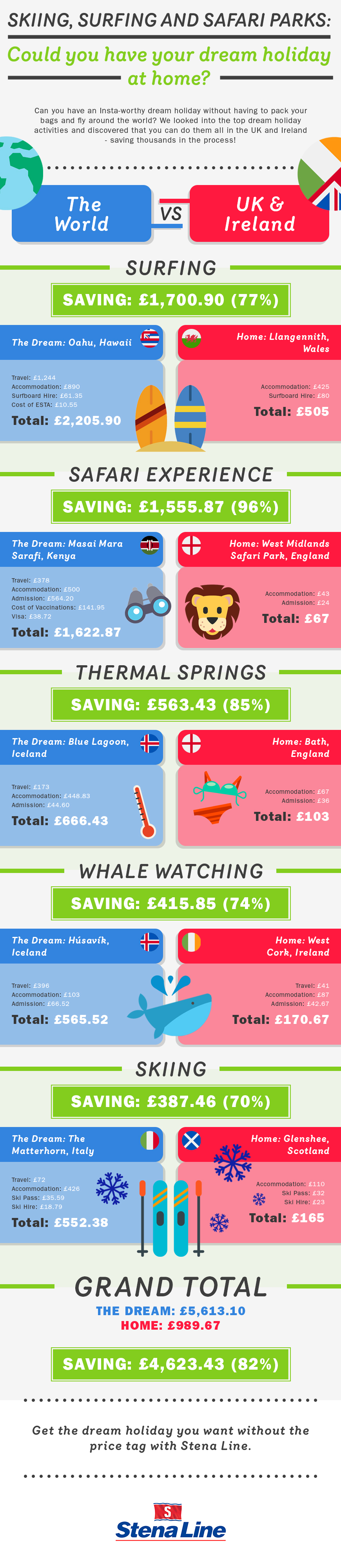
Stena Line asked the UK public what they would most want to do on their dream holiday. Here are the top 5:
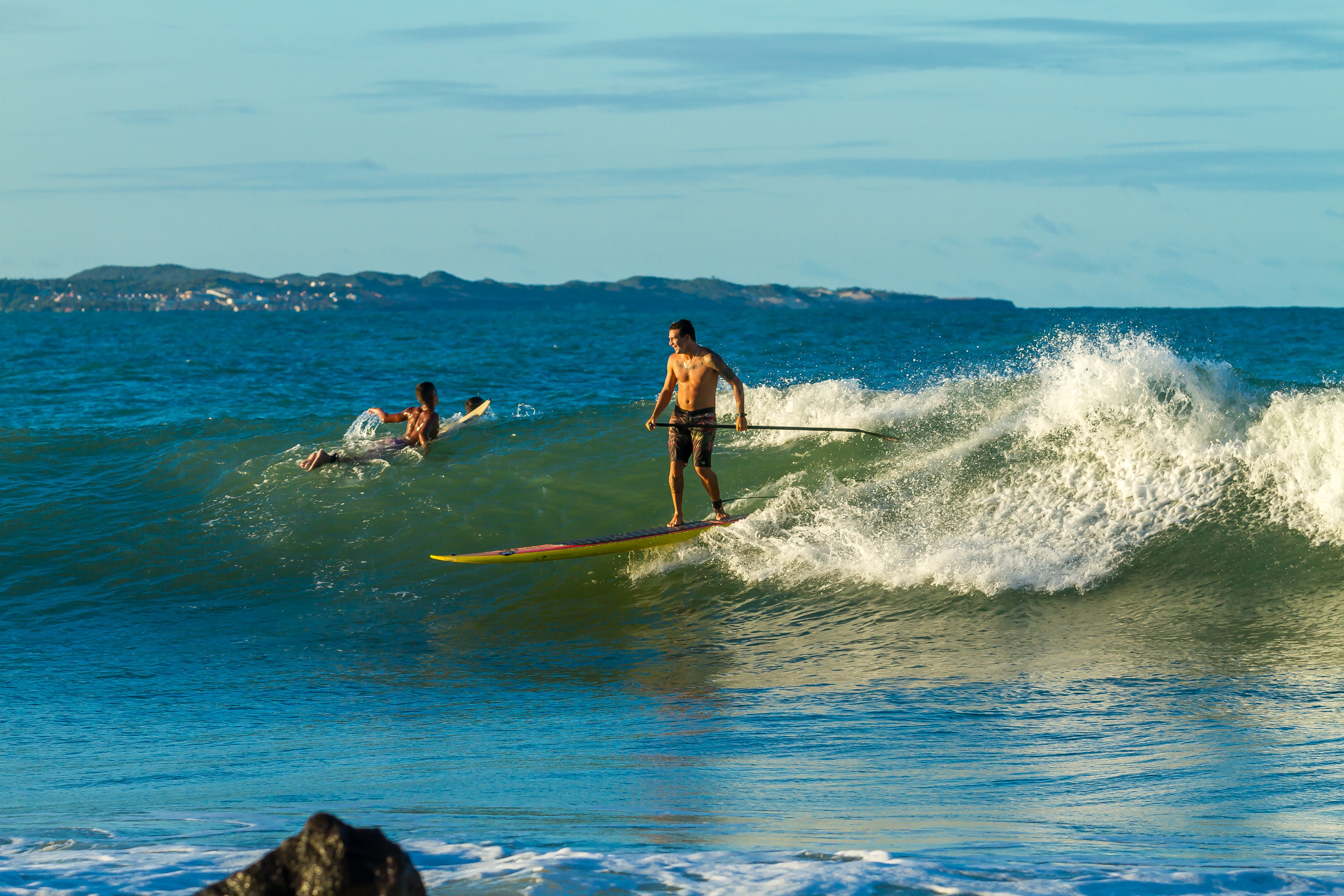
Surfing
Safari experience
Thermal springs
Whale watching
Skiing
So, how can you have an Insta-worthy dream holiday without having to pack your bags and fly around the world?
1. Surfing
Surfing has (excuse the pun) really made a
splash with holidaymakers over the last decade or so. It’s grown from an
ancient practice in Polynesia to a rebellious sub-culture in California and now
it can be found all over the world.
Surfing is a perfect holiday activity because
it combines a little bit of learning — perfect to keep the brain stimulated
when it might otherwise switch off — with a fun physical challenge and plenty
of time in the sun.
The dream: Hawaii, USA
Though Californian surf culture made the
practice famous in contemporary society, the best surfing can still be found
where it all started. Hawaii is known for its profound surf culture and
world-class waves. Its white beaches and sub-tropical climate make it a surfer’s
dream.
Getting there, however, is not a laid-back
experience. From the UK, it takes at least 17 hours to get to Hawaii, not
including transfer time, which can quickly stack up to nearly an entire day of
flying. And the flights, as you might expect, aren’t cheap. We found that
return flights were £1,244 per person.
Once you’ve landed, you could technically surf
for free (no one owns the ocean, after all), but it’s unlikely that you’ll haul
a surfboard halfway around the world with you.
Instead, you’ll probably want to hire your
gear when you’re there. If you go for, let’s say, five days (you’ve gone all
that way, after all!), you can hire a beginner board for a week for $80
(£61.35). Five nights in a good mid-range hotel in Honolulu will set you back £890.
Oh, and don’t forget: Hawaii is part of the
USA, which means you’ll need to purchase a $14 (£10.55) ESTA to get through
customs.
Altogether,
that clocks in at £2,205.90.
Close to home: Llangennith, Wales
Over the last decade or so, there’s been a marked
rise in the number of people going ‘cold water’ surfing in North America and
Europe.
One of the best places for that? Wales —
specifically, Llangennith, a long beach where surfers can get stuck in to the
Gower, a reef renowned for its waves. The Gower has been called the heartland
of Welsh surfing, offering waves for surfers of all abilities, whether you’re
after those mellow troughs or those gnarly thirty-footers.
Some of the best surfers in the UK refine
their craft in the waves off the shores of Llangennith, so it’s definitely one
for your bucket list.
Unlike Hawaii, you won’t need to worry about
getting flights to Llangennith if you’re in the UK. Surf gear is a little more
expensive than Hawaii — about £80 to buy a beginner board and wetsuit — but you
won’t need to pay for a visa or an ESTA to get there.
Because it’s only a short journey, you could
probably visit Llangennith for a couple of days before heading back, but for
the sake of being fair, let’s say that you’re staying for five days.
Accommodation in Llangennith is around £85 per room for a mid-range hotel so
your hotel costs for the week would come in at about £425.
The sum
total takes you to just £505.00.
Saving:
£1,700.90 (77%)
2. Safari experience
Getting out onto the plains of Africa is the
dream of many a wildlife enthusiast, which is why a safari is at the top of
many people’s bucket lists. They’re often the only opportunity that people have
to see some of the world’s most incredible animals out in the wild, up close,
from gigantic elephants and hippos to lion prides and ferocious crocodiles.
The dream: Maasai Mara, Kenya
No continent does a safari quite like Africa —
its stretching plains and varied wildlife makes it a haven for animal-lovers.
One of the best-known safaris in Africa is the Maasai Mara National Reserve in
Kenya. Maasai Mara shares a common border with the Serengeti and is famous for
its plentiful populations of lions, leopards, cheetahs, zebras and wildebeest.
The problem is that going on a safari in
Maasai Mara is an all-in experience; planning a day trip out onto the plains
isn’t easy to do. The shortest safari package we could find was a 3-day outing
that started at $746 (£564.20) per person. Assuming you would stay an absolute
minimum of 2 nights, that puts accommodation at £500 per room if you want to
stay near Maasai Mara. Cheaper rooms are available in Narok, the nearest town,
but it’s a three-hour drive away.
Getting to Kenya in the first place is fairly
pricey. Return tickets are about £378 per person, but you’ll also need to
factor in getting a visa for entry for $51 (£38.72) and the shots you’ll need
for typhoid and yellow fever (£141.95). That
puts the entire trip at £1,622.87 per person, excluding food and airport
transfers.
Close to home: Birmingham, England
You’d be mistaken in believing that you have
to leave the UK and Ireland to enjoy an engrossing safari experience. The West
Midland Safari Park — located just half an hour or so outside of Birmingham —
offers one of Europe’s best wildlife experiences. Lions? Check. Zebras? Check.
Elephants and rhinos and cheetahs and pretty much everything else you’d spot on
the Serengeti plains? All check. And you can see them all in one day!
Admission, as you might expect, is much
cheaper than booking an African experience. Day passes start from £24 per
person, though you can book a VIP package if you want something more immersive.
Accommodation in Birmingham is agreeable, too, with mid-range hotels starting
at about £43 per room. And since it’s in
the UK, you won’t need to pay anything for flights, visas or vaccines, which
puts the total at just £67.
Saving: £1,555.87 (96%)
3. Thermal springs
Everyone loves a good spa day, but there’s
something magical about the restorative powers of the earth itself. Though
thermal spas have been around for millennia (they were a particularly big hit
with the Romans), they’ve recently had a rapid increase in popularity. Genuine
thermal spas are a rarity, which is why they’re sought after by holidaymakers
who are looking for unique experiences.
The dream: Blue Lagoon, Iceland
The tourism statistics for Iceland’s Blue Lagoon
have benefitted massively from the Instagram generation. It’s one of the most
beautiful places in the world, sporting an azure blue volcanic lake that
contrasts sharply with the stark igneous landscape that surrounds it. For that
reason, it’s become a top destination for modern travellers to go to.
It isn’t cheap, though. Iceland is notoriously
pricey — in fact, it’s cited by many as the most expensive tourist destination in the world,
due to high import costs and taxation on food and alcohol. The Blue Lagoon is
ISK 6,990 (£44.60) for just one hour in the pool, and that’s if you book in
advance. If you want to stay over, the on-site hotel is your only real option,
as the spa is in the middle of nowhere. A stay at the Silica Hotel starts at
ISK 70,400 (£448.83) per night. Add the
flights on top of that — £173 return from the UK — and your total comes to
£666.43.
Close to home: Bath, England
Bath is, in the minds of many, the original
thermal spa town. It’s even named
after the Roman baths. That’s because of the plentiful geothermal springs
underground that allowed Roman settlers to create hot bathhouses, some of which
still stand today.
You can actually enjoy a dip in a genuine
geothermal spa when you visit Bath by going to the Thermae Spa. Admission to
the New Royal Bath is £36 on weekdays, for which you’ll get a two-hour spa
session and access to the open-air rooftop pool and the Minerva Bath, the
largest of the thermal baths. Accommodation
in Bath is about £67 per night, and without flights to worry about, your total
comes to just £103.
Saving:
£563.43 (85%)
4. Whale watching
Whales are incredible creatures. With the
largest of them measuring almost 30 metres long, it’s understanding that the
vast majority of them don’t fit in an aquarium or sea life centre. You have to
go out into the wild to see them for real — and spotting them is one of the top
things that we want to do on holiday.
The dream: Húsavík, Iceland
One of the best spots to see whales in the
world is off the northeast coast of Iceland. The coastal town of Húsavík has
become a hotspot for budding whale-spotters, and as such, there are several
companies that run world-class whale-watching tours out of Skjálfandi Bay on
traditional oak boats.
As mentioned earlier, though, Iceland is
expensive. The three hours you spend on the water will cost you 10,500 ISK
(£66.52) per person, and a night spent in Húsavík will cost you around £100 per
room — and that’s at the low end of the spectrum. Return flights to Akureyri —
the nearest airport to Húsavík — are about £396 from the UK.
That means that even without food costs and
airport transfers — which can be two or three times what you may spend in the
UK — you’ll be spending £565.52 to do a
day of whale watching in Iceland.
Close to home: Cork, Ireland
Did you know that the Irish government
declared the coastal waters of Ireland a whale and dolphin sanctuary during the
early 1990s? Ireland’s policies on the preservation of sea life have turned it
into one of Europe’s top spots for seeing Minke, Fin, Baleen and even Humpback
whales in their natural habitat.
You can go whale watching from West Cork for
just €50 (£42.67) per person for 4 hours out on the water. Accommodation in
Cork is around £87 per night for a mid-range hotel, and getting to Cork from
the UK is easy — you can hop aboard a ferry from just £41 per person for an
overnight stay, which gives you as much as 36 hours in Ireland.
Altogether,
you’ll be spending just £170.67.
Saving:
£415.85 (74%)
5. Skiing
Skiing has a sort of vintage charm about it —
maybe that’s because its popularity grew rapidly in the 50s and 60s when metal
skis made it easy, even fun, for amateurs to ski as well as pros. Since then,
it’s become a top holiday recreation, complete with cosy lodges and alpine
tipples.
The dream: Cervinia, Italy
What skiing hotspot can compete with the
world-famous Matterhorn? It’s instantly recognisable by its pyramid shape and
its looming presence in the Alps, crossing the borders of both Italy and
Switzerland. One of the best ski resorts at the base of the Matterhorn is
Cervinia, Italy, where you can take a lift up to some of the best parts of the
mountain and ski to your heart’s desire.
Flights to Cervinia are very reasonable from
the UK, with return flights coming in at only about £72 off-peak. A day-pass to
the Cervinia resort is €43 (£35.59), with ski hire coming it at £18.87 per day
if you book online. However, accommodation is pretty pricey, probably because
of how remote the hotels are. For two nights, you’ll be looking at about £426
per room.
For argument sake, let’s say you just want to
ski for one full day — that takes your
total to £552.46.
At home: Glenshee, Scotland
Bet you didn’t know there were ski resorts in
the UK! In fact, Glenshee Ski Resort in Scotland sees a great deal of snowfall
throughout the year, and with a few gentler slopes than Cervinia, it’s ideal
for beginners and intermediates.
Admission to the ski resort is a little
cheaper than Cervinia, with a 1-day lift pass coming in at £32 (although if you
just want to hit the beginner slopes, you can get to them for just £20 a day).
Ski hire is £23 a day for skis, boots and poles.
The biggest saving you’ll make is on
accommodation. You can stay at a mid-range hotel in Ballater — about half an
hour’s drive from Glenshee — for about £55 a night, so £110 if we’re going to
match the two nights you’d spend in Cervinia.
That
puts your total at just £165.
Saving:
£387.46 (70%)
The Dream: £5613.18
Home: £947.67
Saving: £4,665.51
83%
A dream holiday from home
If you have plenty of money — and time, too — you might be willing to travel the world to complete your holiday bucket list. For the rest of us, though, the good news is that all the activities we dream about for our perfect holiday are right on our doorstep here in the UK and Ireland.
Here’s to a staycation that exceeds all
expectations!
The responsibility that comes with deciding where to take your family on holiday is huge. Do you decide to go for somewhere that pretty much guarantees a suntan or somewhere more known for its culture and heritage
Choosing to holiday in the UK, whether it’s for a short weekend away or even a couple of weeks, is a great option for many families these days. When you factor in the expensive flights and high exchange rates during the summer for holidays abroad, you can find that most of your budget is soaked up.
2016 is a quintessential year for Britain and British culture, with it being 400 years since the death of Shakespeare and the 90th birthday of the Queen. Recent reports by the Office for National Statistics also found that 7.3 million overseas residents visited the UK between December 2015 and February 2016, which was up 6% compared to last year.
With more people choosing to discover Britain as a holiday destination, we’ve looked into some of the best reasons why you should consider a holiday in the UK this year.
Pack your bucket and spade
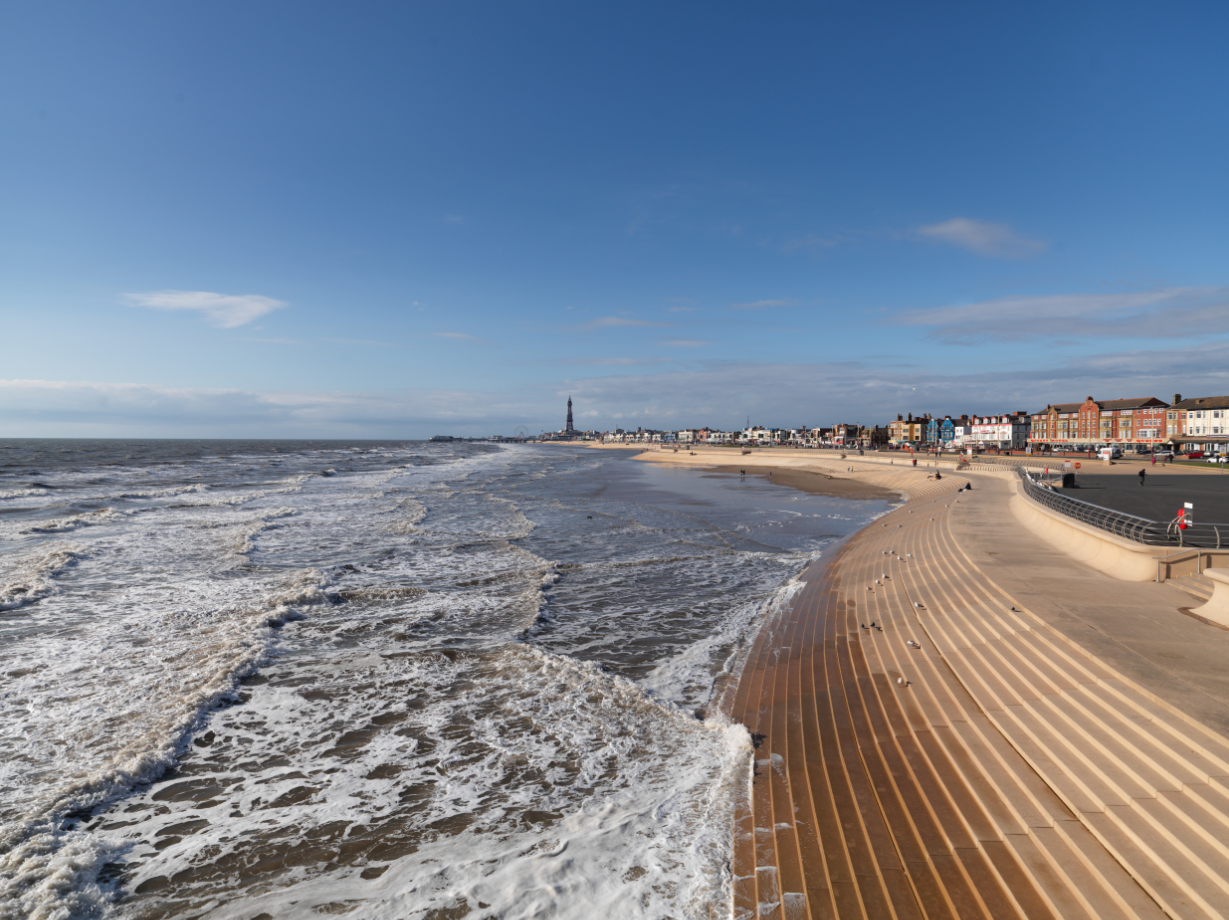
You might not immediately think it, but the UK has a great selection of beaches and fantastic seaside views. In fact, Blackpool was given the title of the best beach in the world according to Britons in a survey conducted by Post Office Money.
Undoubtedly, the best time to visit the beach is in the summer when you can sunbathe, build sandcastles and take a stroll along the promenade. However, you can still enjoy your time at the beach regardless of the weather. Being right by the beach means that there will be some of the best fresh seafood restaurants on hand and plenty of attractions to visit that will be suitable for the entire family. Who doesn’t still love a quick go on the 2p arcade machines?
Experience the culture
Britain is home to 29 World Heritage sites, which all offer something different, but the chances are that you won’t have to go far to find a slice of British culture.
The country is widely recognised around the world as one of the best destinations for heritage and culture, with every city having its own story to tell. Hop on board and explore the expansive history that Britain has to offer throughout its many attractions, museums, castles and spacious lands.
All you can eat
Whether it’s a pasty in the countryside, fish and chips on the pier, a Full English breakfast or a Sunday roast in a country pub, Britain has a fine selection of traditional meals on offer for hungry visitors.
Wherever you go, make sure you try out some locally-sourced dishes and see what your holiday destination has to offer to your taste buds. You never know, you might be able to impress your friends with your newly found culinary inspiration at your next dinner party.
Dust off your wellies
There are a number of different festivals and events that take place around the UK each year and many are worth seeing for yourself!
If it’s music you’re into, then there are a vast selection of different music festivals for any taste imaginable. Outside of the world of the music, you have festivals focusing on arts, sports, entertainment and just generally having a good time.
Most festivals will offer the option to purchase family tickets, so keep an eye out for the best deal!
The adventure of your lifetime
You don’t have to venture as far as New Zealand to seek out some adventure in your holiday. The UK is renowned for it’s awe-inspiring mountains, coastlines, and views, so get your bags packed and see where you end up.
Whatever your interest, there’s something for everyone. Sailing, sea kayaking, mountain biking and even horse riding can all be found throughout the country. If you’re looking for something a little less extreme, Britain is still known for its vast landscapes and walking opportunities and is a great way to show little ones the natural beauty of the country.
Ultimately, Britain is surrounded by sights that the entire family will enjoy and remember for years to come. Wherever it’s a city trip or a weekend in a beach resort, you’ll find something for everyone.
Adam Maidment writes on behalf of VisitBlackpool, the UK’s number one beach resort for families. With plenty of attractions, events, and activities for children of all ages, Blackpool is the perfect holiday destination for your family all year round.
Anyone can have the chance of experiencing culture shock – from those on short or long vacation trips to even those who move permanently abroad to a new country, but apparently experiencing culture shock isn’t necessarily a bad thing and can actually be good for us. Continue reading Why Culture Shock Is Good for You→
No matter how much planning you do for your next travel trip, you can’t really plan for what the weather will be like. Sometimes you’ll hit it lucky and have perfect weather, whilst other times you may end up spending your whole holiday stuck in a treacherous rainstorm. Continue reading European Cities: What To Do When It Rains→
There’s a known lighthearted rivalry between the two South African cities of Johannesburg and Cape Town, but how they match up when compared with each other? Continue reading Johannesburg versus Cape Town→
Renting a car whilst abroad can be a liberating and fun way to explore the ‘real’ parts of the place you’re visiting and to find destinations out of the general tourists’ eye, but when it comes to driving there are different rules around the world that must be followed if you want to stay in line with the law. Continue reading The Cost of Speeding Around The World→
Best Travel Guides to Destinations Around the World