What Are Some Unique Activities to Try on Vacation?
You will soon be saying sayonara to your 9-to-5 and hello to beaches and downtime—for days on end. But although you look forward to some R&R, your inner adventurer is also looking to experience some thrills and frills (and even chills).
The good news? It’s more than possible to find activities that will excite you, stimulate you, and even shock you as you navigate a foreign land or another city in the United States.
Here’s a rundown on the top unique activities to indulge in on your upcoming vacation if you’re serious about creating memories that will last a lifetime.
Sea Turtle Swimming
Headed to Cancun, Mexico? Consider taking time to go swimming with the gorgeous sea turtles there. In addition to swimming with the turtles, you may have the opportunity to go scuba diving, kayaking, or snorkeling with them as well. This surreal experience will allow you to get up close and personal with nature’s gentle giants (they can get as big as six feet long and 2,000 pounds). So, it can be both exciting and educational for any turtle lover.
Gel Ball
If you love playing paintball, it’s time to sign up for an experience that will blow paintball out of the water—gel style. The activity is called gel ball, and you can find it in Australia.
With this activity, you’ll shoot at other people with water-filled balls instead of paintballs—or air pellets that have been compressed. You and your group will be divided into a couple of teams of 6-12 people, and every player will get five balls and plenty of water canisters. Whichever team gets 50 points (from 50 successful shots) first wins.
Whale Watching
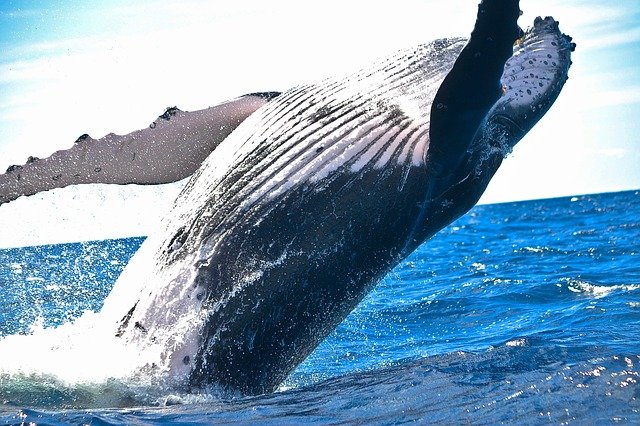
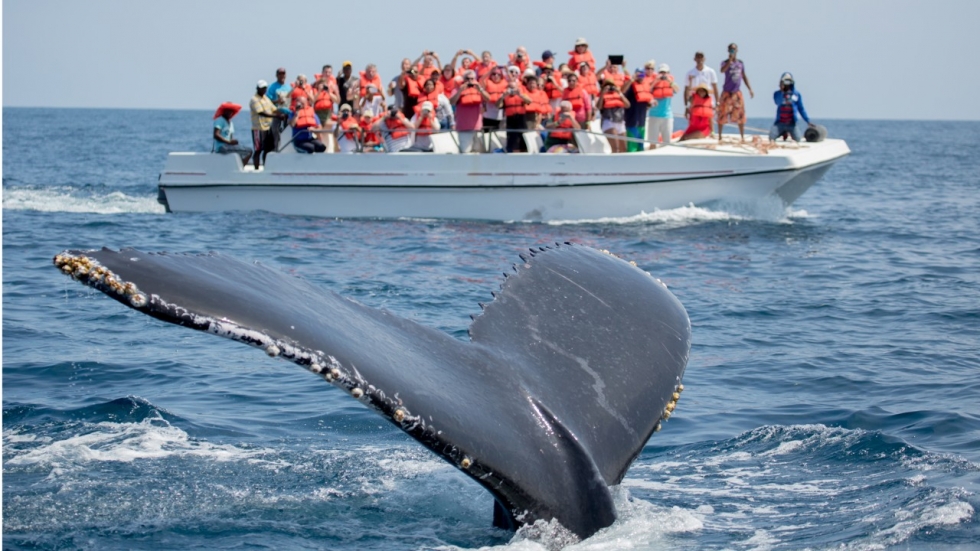
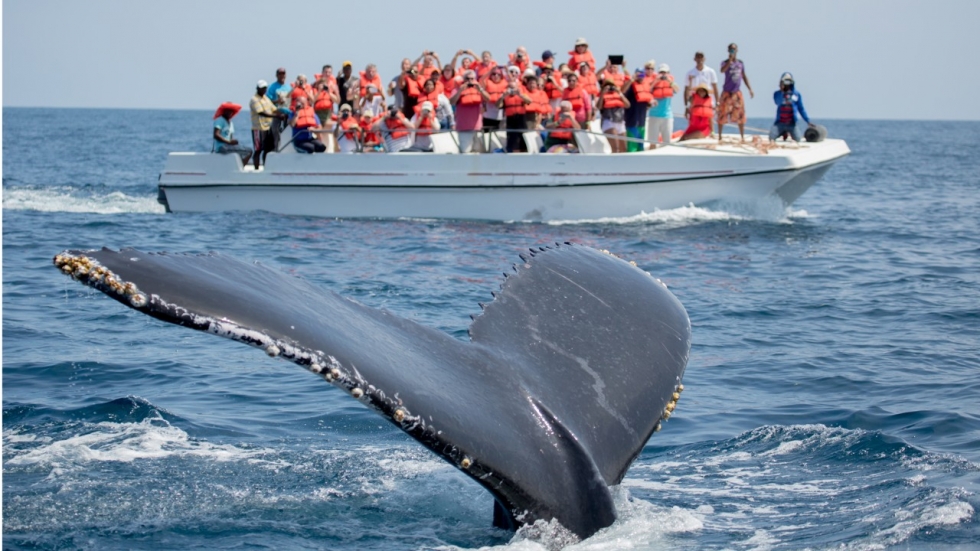
Ready to get your heart racing—in a good way—and feel alive again? Book a Dana Point Whale Watching safari the next time you make your way to Southern California. This unique vacation activity will breathe new life into you by giving you an adrenaline rush each time you see the magical 100-foot-long creatures leap out of the water.
In addition to seeing whales, be prepared to see a wide variety of other creatures, too—creatures like birds, sea lions, sharks, and dolphins—during your whale watching safari.
Looking for a little sizzle in your vacation experience? Add visiting a volcano to your to-do list.
For instance, if you’re visiting the Southwest Pacific Ocean island country of Vanuatu, you’ll come across some of the world’s most gorgeous volcanoes. These volcanoes are active and are, in fact, still growing as a result of tectonic movement. So, viewing them couldn’t be a better way to enjoy a unique, enthralling experience—and one you can capture proof of on camera.
Chocolate Factory Visit
Chocolate lovers unite! At an iconic chocolate factory located at your travel destination, such as Peru, you and fellow chocolate connoisseurs can satisfy both your sweet tooth and your curiosity about all things related to confection creation.
Get ready to learn anything and everything there is to know about the making of chocolate. During your chocolate factory tour, you may learn about the process of roasting cocoa beans, boiling beans, and fermenting beans to remove the bitterness. You’ll also learn about the various types of chocolates made in the past following the discovery of cocoa plants. And the best part? You’ll have the chance to taste some of the chocolates being made—an irresistible way to top off the day.
Imagine the feeling of the wind blowing in your face and washing all of your cares and stresses away one breezy gust at a time. This can easily become your reality if you choose to go windsurfing during your next vacation, especially if you’re going to a popular windsurfing destination, like Argentina.
During your excursion, you can take in the picturesque scenery surrounding you—
think shimmery waters and snow-capped mountains—as you unwind and relax. You’ll also simultaneously get a workout. That’s the added bonus you need to feel your best holistically, from a physical, mental, and emotional perspective
Cooking Fun
Want to unleash your inner chef and enjoy high-end cuisine in the process? Sign up for a cooking class during your next vacation, or embark on a food tour. Both of these excursions are excellent alternatives to simply dining at a restaurant yet again.
For instance, take a cooking class in the home of a local chef in countries like Portugal and Thailand, which will add to your local perspective. Meanwhile, on a food tour, you’ll walk to local eateries to indulge in a wide variety of local flavors over a two- to four-hour period. If you’re a libation lover, you can also enjoy paying a visit to a number of local breweries or distilleries to discover some new favorite beers or wines while also enjoying your old favorites.
Water Slide
If water activities are a must for you when you go on vacation, then carve out time for a water slide adventure. For instance, in Brazil, you can try out Agua Park or Beach Park along Rio De Janeiro’s east coast.
Be prepared (as prepared as you can be) for quick-flowing rapids as well as bubbling pools of warm water. And take a break from the rapids from time to time by relaxing in large hammocks. You’ll feel like you’re living your best life at an oasis—and you’ll enjoy every minute of it.
Take Your Vacation Unique Activities to a Whole New Level Today!
Vacation is more than just an opportunity to break away from the day-to-day. It’s also an opportunity to get your feet wet (so to speak) and experience a range of emotions that have been buried for far too long—feelings like anticipation, excitement, and even stomach knots that come undone through adrenaline-filled moments of ecstasy.
Consider the above-mentioned unique activities on your next trip across the nation or the globe. With the right combination of unique activities, you can easily elevate your travel experience and learn firsthand what it means to live again.
You’ve always wanted to visit Western Australia but never actually started to plan the trip of your dreams? Wait no longer because it’s about time you planned your upcoming journey to this part of the world! Here is a list of the five best things to do in Western Australia, so check it out and come up with a detailed itinerary. Just keep on reading and get down to it right away!
Explore Perth’s most popular attractions
If you’re one of those people who love to spend their vacation in urban areas, you should definitely put Perth on your must-visit list. This is the capital of the Australian state of Western Australia and this country’s fourth-most populous city. So, if you’re up for fabulous gourmet restaurants, magnificent skyscrapers, great boutiques, and amazing entertainment venues – Perth certainly is the right place for you! Besides that, this gorgeous city is the perfect choice for water sports such as surfing, sailing, and swimming, too. If you love to visit museums while traveling, don’t skip the Art Gallery of Western Australia. The Nostalgia Box is a fantastic choice for people who love to play video games from the 80s. Of course, try not to skip the typical Aussie barbecue that includes kangaroo steak or burgers. It’s a must-eat when in Australia!
Visit the beautiful tourist town of Broome
Truth be told, Broome is one of the most popular Western Australian destinations at the moment. It’s a beautiful tourist town that’s a gateway to the outstanding Kimberley region at the same time. If you decide to visit this town, make sure not to skip Cable Beach – this town’s main attraction. This beach features a very impressive shoreline – white sands stretch for 22 kilometers! Its turquoise waters will sweep you off your feet, as well as romantic sunset camel rides. To learn more about this amazing town, be sure to visit the Broome Historical Museum. Did you know that Broom is famous for Staircase to the Moon, which is an extraordinary natural phenomenon? That’s right – when the full moon rises, people gather to watch the rays of light that gleam on the water. Those gleams create an optical illusion of steps leading to the moon. Don’t miss it when in Broome!
Go whale watching in Bremer Bay
Whale watching is one of the most popular activities in Western Australia, and the reasons for that are more than good. First of all, the small coastal township of Bremer Bay is home to the largest congregation of orcas in the southern hemisphere. Over 150 orcas gather here every summer, from January to March, and they visit the Bremer Canyon to feed on their prey. Apart from orcas, there are also pilot whales, sperm whales, and sunfish. All of them gather here during the first months of the year. The best way to get to Bremer Bay is by car, plane, or personalized bus transport. As for the whale watching itself, be sure to book a tour with Whale Watch Western Australia. This is the best way to experience these impressive creatures in their natural habitat!
Check out Ningaloo Reef Marine Park
In case you didn’t know, Ningaloo Reef is the largest fringing reef in the world. It also is a UNESCO World Heritage site, which makes it one of the most popular places in Western Australia for a good reason. The Ningaloo Reef Marine Park extends for about 260 km. Unlike the Great Barrier Reef, this one is easily accessible from the shore. When it comes to its marine life, there are dugongs, manta rays, whale sharks, turtles, humpback whales, and many other species. Besides these, there are over 300 species of corals and 500 species of fish, which makes this place extremely diverse and exciting to explore. If you’re all about snorkeling, you must visit the gorgeous Turquoise Bay. Its white sand and crystal clear water will undoubtedly help you find your zen!
Go for a tour in Purnululu (Bungle Bungle) National Park
Last but certainly not least, Purnululu (Bungle Bungle) National Park is another amazing place you must see when in Western Australia. This destination is known for its remarkable rock formations that remained unknown to the outside world until 1983. When they were finally discovered, these were made a part of both the National and UNESCO World Heritage lists. Did you know that the Bungle Bungle hills were home to the Aboriginal tribes for thousands of years? That’s right, which is exactly what makes them so exciting to explore! The rock domes of Bungle Bungle are made of soft sandstone that was flawlessly carved into a beehive shape thanks to summer monsoon rains. Don’t skip this place and you’ll see what we were talking about!
As you can see, there are so many fantastic things to do in Australia, and these five are the best ones if you want to visit Western Australia. So, if you ever find yourself in this part of the world, just stick to our list and have the time of your life. A fabulous trip is guaranteed, without a shadow of a doubt!
The Humpback Whale Come-Back: An Amazing Success Story
We have been
protecting the Humpback Whale since the 1970s, and many conservationists are
understandably very happy with the results, which has effectively removed the
species from the endangered list in 9 separate global locations. The National
Oceanic and Atmospheric Administration (NOA) has confirmed that the numbers of
Humpbacks have increased sufficiently to remove them from the endangered list
in 9 locations.
Complex
Intelligence
These majestic creatures
can migrate up to 16,000 km and research has shown that they are very
intelligent creatures that can problem solve, and they are still using the same
routes in their migrations, only now they are not being hunted. One of the
reasons for the Humpback’s popularity is the way they put on a show for whale
watchers, and that’s why Sydney
Whale watching is such a popular day out.
Worldwide
Hunting Ban
The year was 1970,
and finally the US declared the Humpback Whale as being an endangered species,
and in 1982, The International Whaling Committee put an end to whale hunting,
and that ban is still in effect today.
South Africa
Perhaps the best
results are found in the waters off South Africa, where it is believed there
are more than 30,000 Humpbacks in the Western Indian Ocean, and this was one
region where the whale hunting was so prevalent. For the species to have
bounced back is a reflection of the right actions that were taken by
governments and international bodies.
Queensland and
New South Wales
Off the Sydney
coast, the Humpbacks can be seen on their migratory routes to and from the
Antarctica, and if you would like to have a close-up experience with these
amazing animals, book a whale watching trip that leaves from Sydney and you are
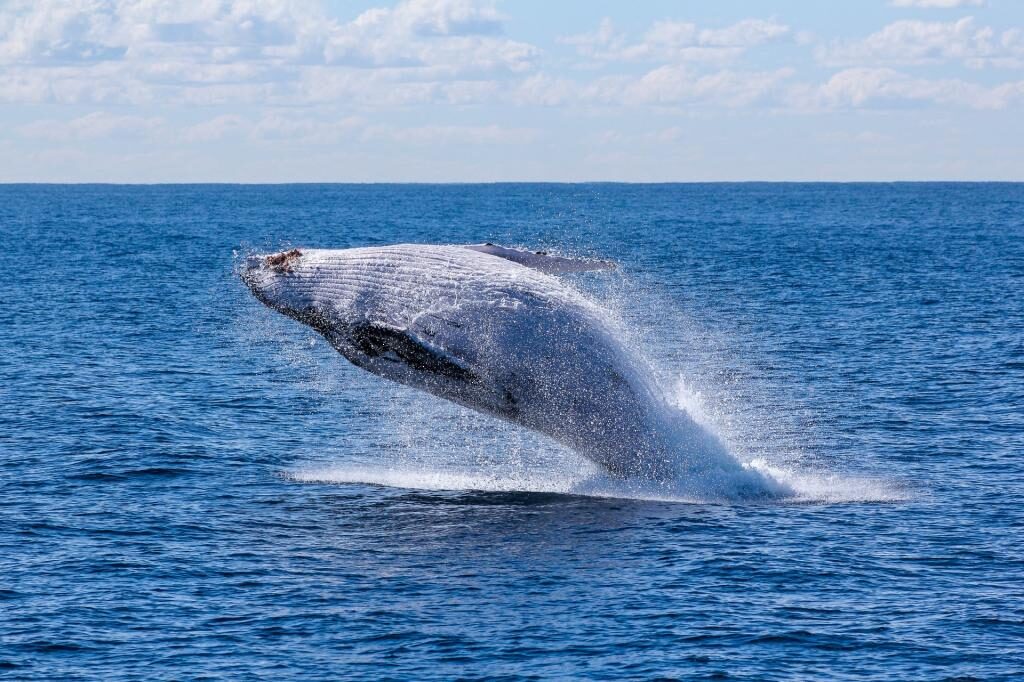
likely to witness the breaching and many other surface behaviours the Humpback
Whales exhibit. From April to November offers the best chances of seeing these
creatures perform, as they use this route to give birth to calves and also to
feed on the rich krill deposits found in Antarctica. The whales were almost
hunted to extinction in the past century, and no one would have thought that in
a few years, they would recover so quickly. Of course, there are similar
success stories of the Humpback numbers increasing in many parts of the world,
but the waters off the coast of Sydney have been particularly productive, with
numbers rising steadily. The females are breeding every few years, and with
tighter fishing controls, less young whales are accidently caught by commercial
fishing boats.
Sydney Whale
Watching
Every person that
experiences a day out whale watching is affected by the presence of these
unique creatures, and they are aware they are being watched and very often like
to put on a show. If you would like to book a whale watching trip, search
online for the established whale watching company that is based in Sydney, and
you can literally choose your date.
A secure online
payment reserves your space, and this is something you won’t forget in a hurry,
as 30 tons of mammal comes crashing down nearby.
Insta-worthy dream holiday without having to pack your bags!
Holidays are one of the best ways to tick off those outstanding items on your bucket list. The holiday provides us with the opportunity to do those ‘once in a lifetime’ things that we dream about in our day-to-day, a chance to live those exhilarating experiences and collect those unforgettable memories.
But what if you didn’t have to wait for a big, expensive holiday to a far-flung destination to do all the things on your list? What if you could do those same incredible activities in the UK or Ireland?
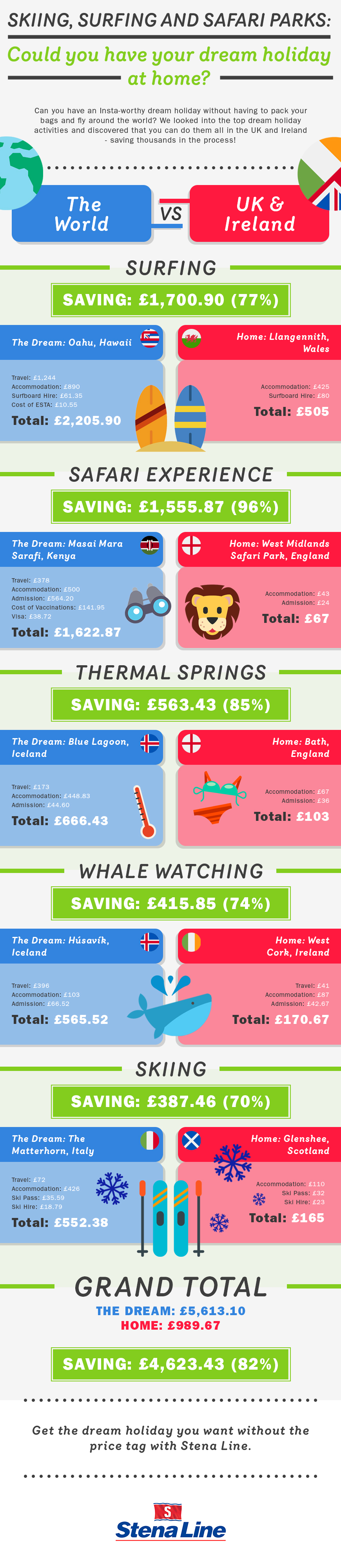
Stena Line asked the UK public what they would most want to do on their dream holiday. Here are the top 5:
Surfing
Safari experience
Thermal springs
Whale watching
Skiing
So, how can you have an Insta-worthy dream holiday without having to pack your bags and fly around the world?
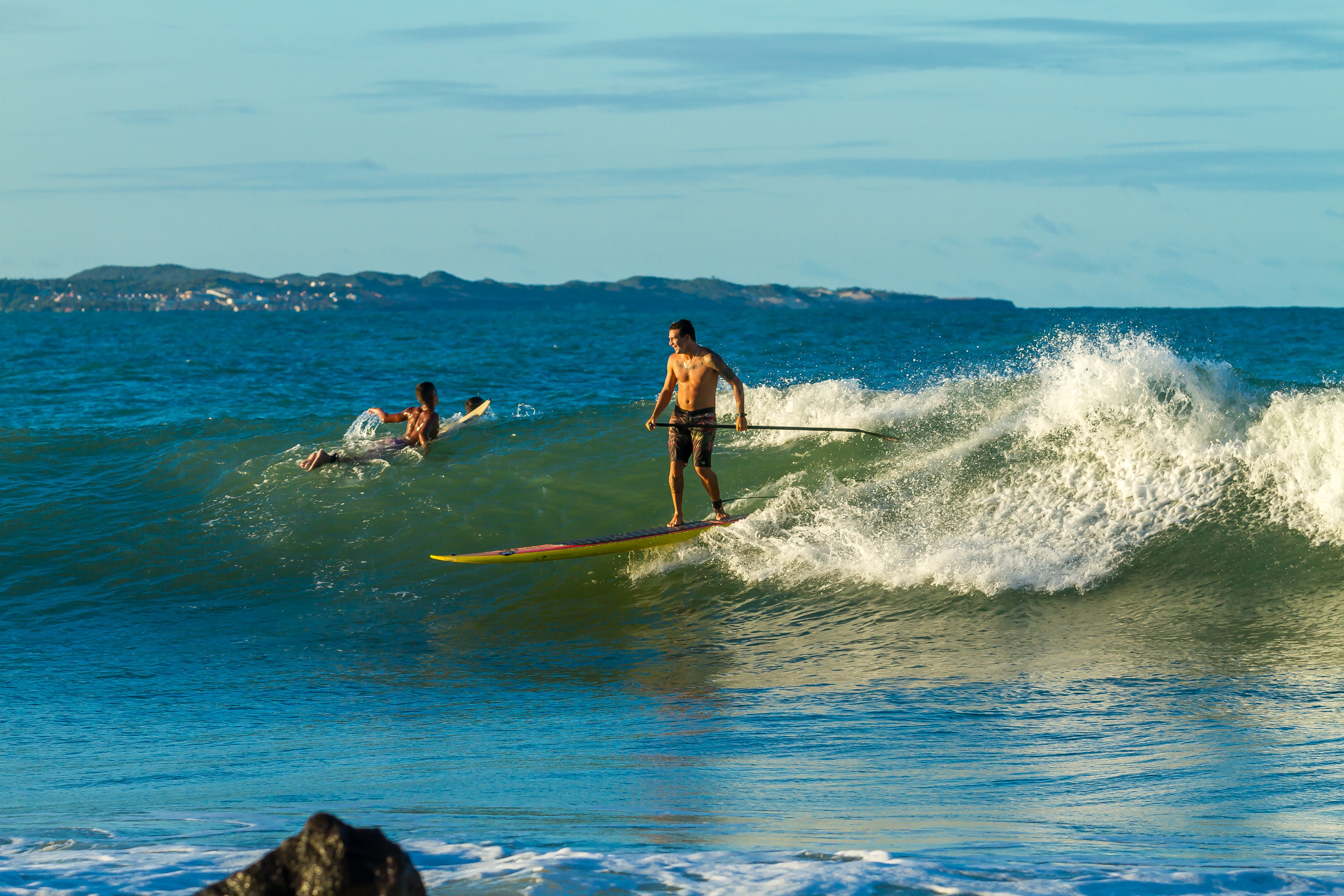
1. Surfing
Surfing has (excuse the pun) really made a
splash with holidaymakers over the last decade or so. It’s grown from an
ancient practice in Polynesia to a rebellious sub-culture in California and now
it can be found all over the world.
Surfing is a perfect holiday activity because
it combines a little bit of learning — perfect to keep the brain stimulated
when it might otherwise switch off — with a fun physical challenge and plenty
of time in the sun.
The dream: Hawaii, USA
Though Californian surf culture made the
practice famous in contemporary society, the best surfing can still be found
where it all started. Hawaii is known for its profound surf culture and
world-class waves. Its white beaches and sub-tropical climate make it a surfer’s
dream.
Getting there, however, is not a laid-back
experience. From the UK, it takes at least 17 hours to get to Hawaii, not
including transfer time, which can quickly stack up to nearly an entire day of
flying. And the flights, as you might expect, aren’t cheap. We found that
return flights were £1,244 per person.
Once you’ve landed, you could technically surf
for free (no one owns the ocean, after all), but it’s unlikely that you’ll haul
a surfboard halfway around the world with you.
Instead, you’ll probably want to hire your
gear when you’re there. If you go for, let’s say, five days (you’ve gone all
that way, after all!), you can hire a beginner board for a week for $80
(£61.35). Five nights in a good mid-range hotel in Honolulu will set you back £890.
Oh, and don’t forget: Hawaii is part of the
USA, which means you’ll need to purchase a $14 (£10.55) ESTA to get through
customs.
Altogether,
that clocks in at £2,205.90.
Close to home: Llangennith, Wales
Over the last decade or so, there’s been a marked
rise in the number of people going ‘cold water’ surfing in North America and
Europe.
One of the best places for that? Wales —
specifically, Llangennith, a long beach where surfers can get stuck in to the
Gower, a reef renowned for its waves. The Gower has been called the heartland
of Welsh surfing, offering waves for surfers of all abilities, whether you’re
after those mellow troughs or those gnarly thirty-footers.
Some of the best surfers in the UK refine
their craft in the waves off the shores of Llangennith, so it’s definitely one
for your bucket list.
Unlike Hawaii, you won’t need to worry about
getting flights to Llangennith if you’re in the UK. Surf gear is a little more
expensive than Hawaii — about £80 to buy a beginner board and wetsuit — but you
won’t need to pay for a visa or an ESTA to get there.
Because it’s only a short journey, you could
probably visit Llangennith for a couple of days before heading back, but for
the sake of being fair, let’s say that you’re staying for five days.
Accommodation in Llangennith is around £85 per room for a mid-range hotel so
your hotel costs for the week would come in at about £425.
The sum
total takes you to just £505.00.
Saving:
£1,700.90 (77%)
2. Safari experience
Getting out onto the plains of Africa is the
dream of many a wildlife enthusiast, which is why a safari is at the top of
many people’s bucket lists. They’re often the only opportunity that people have
to see some of the world’s most incredible animals out in the wild, up close,
from gigantic elephants and hippos to lion prides and ferocious crocodiles.
The dream: Maasai Mara, Kenya
No continent does a safari quite like Africa —
its stretching plains and varied wildlife makes it a haven for animal-lovers.
One of the best-known safaris in Africa is the Maasai Mara National Reserve in
Kenya. Maasai Mara shares a common border with the Serengeti and is famous for
its plentiful populations of lions, leopards, cheetahs, zebras and wildebeest.
The problem is that going on a safari in
Maasai Mara is an all-in experience; planning a day trip out onto the plains
isn’t easy to do. The shortest safari package we could find was a 3-day outing
that started at $746 (£564.20) per person. Assuming you would stay an absolute
minimum of 2 nights, that puts accommodation at £500 per room if you want to
stay near Maasai Mara. Cheaper rooms are available in Narok, the nearest town,
but it’s a three-hour drive away.
Getting to Kenya in the first place is fairly
pricey. Return tickets are about £378 per person, but you’ll also need to
factor in getting a visa for entry for $51 (£38.72) and the shots you’ll need
for typhoid and yellow fever (£141.95). That
puts the entire trip at £1,622.87 per person, excluding food and airport
transfers.
Close to home: Birmingham, England
You’d be mistaken in believing that you have
to leave the UK and Ireland to enjoy an engrossing safari experience. The West
Midland Safari Park — located just half an hour or so outside of Birmingham —
offers one of Europe’s best wildlife experiences. Lions? Check. Zebras? Check.
Elephants and rhinos and cheetahs and pretty much everything else you’d spot on
the Serengeti plains? All check. And you can see them all in one day!
Admission, as you might expect, is much
cheaper than booking an African experience. Day passes start from £24 per
person, though you can book a VIP package if you want something more immersive.
Accommodation in Birmingham is agreeable, too, with mid-range hotels starting
at about £43 per room. And since it’s in
the UK, you won’t need to pay anything for flights, visas or vaccines, which
puts the total at just £67.
Saving: £1,555.87 (96%)
3. Thermal springs
Everyone loves a good spa day, but there’s
something magical about the restorative powers of the earth itself. Though
thermal spas have been around for millennia (they were a particularly big hit
with the Romans), they’ve recently had a rapid increase in popularity. Genuine
thermal spas are a rarity, which is why they’re sought after by holidaymakers
who are looking for unique experiences.
The dream: Blue Lagoon, Iceland
The tourism statistics for Iceland’s Blue Lagoon
have benefitted massively from the Instagram generation. It’s one of the most
beautiful places in the world, sporting an azure blue volcanic lake that
contrasts sharply with the stark igneous landscape that surrounds it. For that
reason, it’s become a top destination for modern travellers to go to.
It isn’t cheap, though. Iceland is notoriously
pricey — in fact, it’s cited by many as the most expensive tourist destination in the world,
due to high import costs and taxation on food and alcohol. The Blue Lagoon is
ISK 6,990 (£44.60) for just one hour in the pool, and that’s if you book in
advance. If you want to stay over, the on-site hotel is your only real option,
as the spa is in the middle of nowhere. A stay at the Silica Hotel starts at
ISK 70,400 (£448.83) per night. Add the
flights on top of that — £173 return from the UK — and your total comes to
£666.43.
Close to home: Bath, England
Bath is, in the minds of many, the original
thermal spa town. It’s even named
after the Roman baths. That’s because of the plentiful geothermal springs
underground that allowed Roman settlers to create hot bathhouses, some of which
still stand today.
You can actually enjoy a dip in a genuine
geothermal spa when you visit Bath by going to the Thermae Spa. Admission to
the New Royal Bath is £36 on weekdays, for which you’ll get a two-hour spa
session and access to the open-air rooftop pool and the Minerva Bath, the
largest of the thermal baths. Accommodation
in Bath is about £67 per night, and without flights to worry about, your total
comes to just £103.
Saving:
£563.43 (85%)
4. Whale watching
Whales are incredible creatures. With the
largest of them measuring almost 30 metres long, it’s understanding that the
vast majority of them don’t fit in an aquarium or sea life centre. You have to
go out into the wild to see them for real — and spotting them is one of the top
things that we want to do on holiday.
The dream: Húsavík, Iceland
One of the best spots to see whales in the
world is off the northeast coast of Iceland. The coastal town of Húsavík has
become a hotspot for budding whale-spotters, and as such, there are several
companies that run world-class whale-watching tours out of Skjálfandi Bay on
traditional oak boats.
As mentioned earlier, though, Iceland is
expensive. The three hours you spend on the water will cost you 10,500 ISK
(£66.52) per person, and a night spent in Húsavík will cost you around £100 per
room — and that’s at the low end of the spectrum. Return flights to Akureyri —
the nearest airport to Húsavík — are about £396 from the UK.
That means that even without food costs and
airport transfers — which can be two or three times what you may spend in the
UK — you’ll be spending £565.52 to do a
day of whale watching in Iceland.
Close to home: Cork, Ireland
Did you know that the Irish government
declared the coastal waters of Ireland a whale and dolphin sanctuary during the
early 1990s? Ireland’s policies on the preservation of sea life have turned it
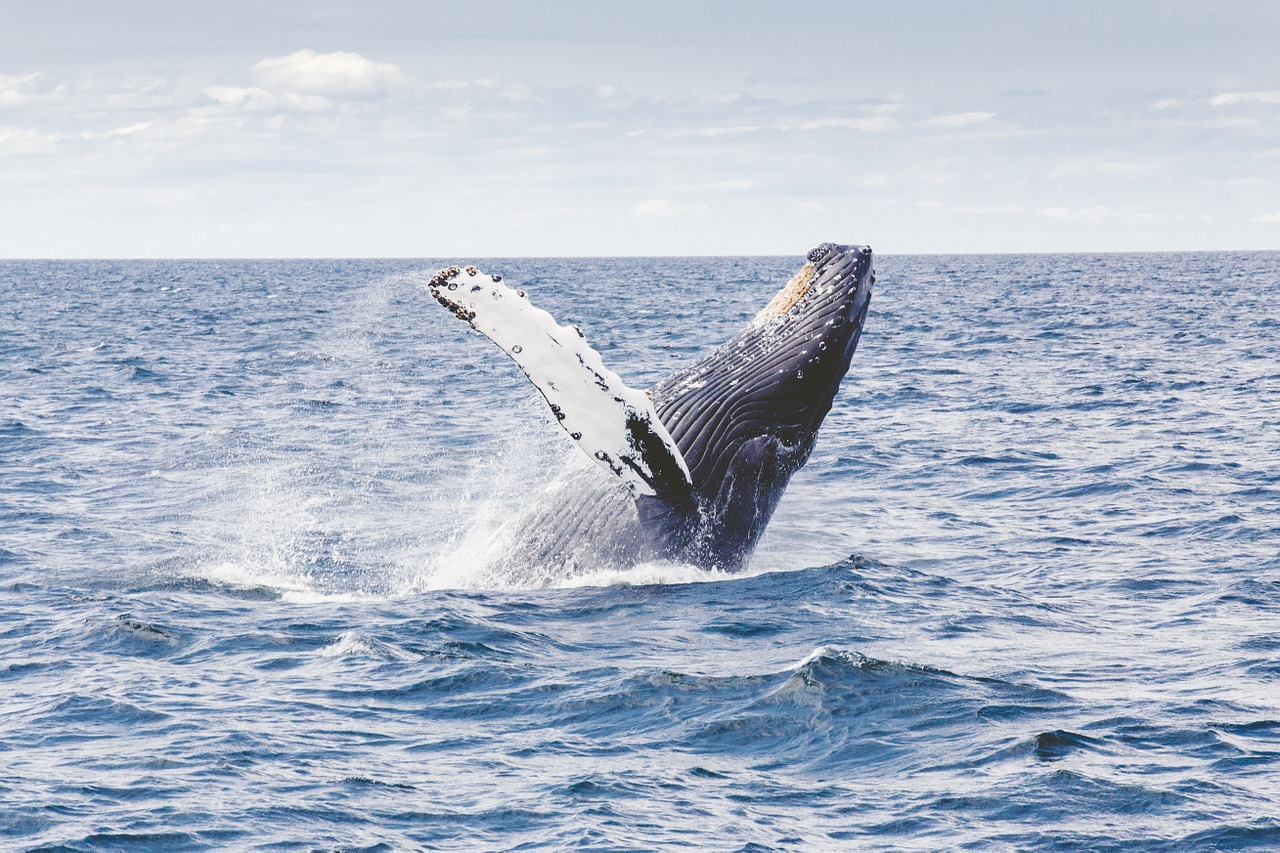
into one of Europe’s top spots for seeing Minke, Fin, Baleen and even Humpback
whales in their natural habitat.
You can go whale watching from West Cork for
just €50 (£42.67) per person for 4 hours out on the water. Accommodation in
Cork is around £87 per night for a mid-range hotel, and getting to Cork from
the UK is easy — you can hop aboard a ferry from just £41 per person for an
overnight stay, which gives you as much as 36 hours in Ireland.
Altogether,
you’ll be spending just £170.67.
Saving:
£415.85 (74%)
5. Skiing
Skiing has a sort of vintage charm about it —
maybe that’s because its popularity grew rapidly in the 50s and 60s when metal
skis made it easy, even fun, for amateurs to ski as well as pros. Since then,
it’s become a top holiday recreation, complete with cosy lodges and alpine
tipples.
The dream: Cervinia, Italy
What skiing hotspot can compete with the
world-famous Matterhorn? It’s instantly recognisable by its pyramid shape and
its looming presence in the Alps, crossing the borders of both Italy and
Switzerland. One of the best ski resorts at the base of the Matterhorn is
Cervinia, Italy, where you can take a lift up to some of the best parts of the
mountain and ski to your heart’s desire.
Flights to Cervinia are very reasonable from
the UK, with return flights coming in at only about £72 off-peak. A day-pass to
the Cervinia resort is €43 (£35.59), with ski hire coming it at £18.87 per day
if you book online. However, accommodation is pretty pricey, probably because
of how remote the hotels are. For two nights, you’ll be looking at about £426
per room.
For argument sake, let’s say you just want to
ski for one full day — that takes your
total to £552.46.
At home: Glenshee, Scotland
Bet you didn’t know there were ski resorts in
the UK! In fact, Glenshee Ski Resort in Scotland sees a great deal of snowfall
throughout the year, and with a few gentler slopes than Cervinia, it’s ideal
for beginners and intermediates.
Admission to the ski resort is a little
cheaper than Cervinia, with a 1-day lift pass coming in at £32 (although if you
just want to hit the beginner slopes, you can get to them for just £20 a day).
Ski hire is £23 a day for skis, boots and poles.
The biggest saving you’ll make is on
accommodation. You can stay at a mid-range hotel in Ballater — about half an
hour’s drive from Glenshee — for about £55 a night, so £110 if we’re going to
match the two nights you’d spend in Cervinia.
That
puts your total at just £165.
Saving:
£387.46 (70%)
The Dream: £5613.18
Home: £947.67
Saving: £4,665.51
83%
A dream holiday from home
If you have plenty of money — and time, too — you might be willing to travel the world to complete your holiday bucket list. For the rest of us, though, the good news is that all the activities we dream about for our perfect holiday are right on our doorstep here in the UK and Ireland.
Here’s to a staycation that exceeds all
expectations!
Whale watching in Australia has many aspects of education other than entertainment for many. It has been fascinating to watch the whales thrive in their natural habitat but now whale watching has evolved from early times. With the advent of “ecotourism” and its rapid prominence in Australia and the world, the concept of whale watching has helped people of all ages to know more about the sea creatures and how they impact ecology.
Whale-watching is usually managed responsibly in several places. The activity has educational, environmental, and other socioeconomic ramifications too for locals who benefit immensely from the same. The locals expand their scientific knowledge to guide visitors and earn their livelihood. One can even survey local whale-watch operations. Check out the best time to go whale-watching in Australia and one could learn more about the life cycles and behaviour of whales, especially when they are in marine-protected sanctuaries that are a win-win situation for all involved.
Support for Whale Appreciation
Whale watching tourism is now estimated to generate nearly $2 billion worldwide and deliver employment to about 13,000 people. All industries and enterprises support local businesses for introducing whale watching as an educational exercise, for the benefit of coastal communities, whose live encounters help in the appreciation and study of whales and their personal environment. This is important in all whaling countries where whale watching provides an income alternative to the ruthless hunting of whales and dolphins.
The vast enchanting marine world includes sea life species that are already facing the danger of extinction and the need for conservation should be highlighted in different ways. Whale watching offers a complete real experience of observing such marine animals in close proximity and understand their ecosystem. The tour can be enriching for kids and teaches them natural history. The local communities and scientific teams collaborate too for conserving marine life efficiently.
The “educational” whale watching program and tourism
There are many whale watching tour companies who operate in Australia but for a truly educational program, one can include a naturalist’s service onboard. The floating “whale universities” also offer an outstanding whale watching experience to enthusiasts with the help of infographics, displays, hydrophones and the like.
Whale watching has grown rapidly and impacted tourism in varied forms. The income and jobs generated through these programs by whale watching have fostered a sense of pride about whales and dolphins. For whale-watching to be the mode of education and public awareness, the messages need to be accurate and scientific as per naturalists. The messages should not be preachy but entertaining enough to be part of the whale-watching excursion and a means to protect the marine environment.
Recent case studies of the costs and benefits of whale watching have ensured that responsible activities have a huge educational element to foster an appreciation for marine life in its natural habitat and boost awareness of conservation needs. The long-term financial rewards also add to the educational and social benefits. Whale watching vessels, on the other hand, serve as valuable platforms for data collection on the entire whale or dolphin distribution, the use of habitat, the role of photo-identification and the like. The partnerships are fruitful between whale watch tour operators and scientific researchers that has led to several scientific papers as a result of whale watching vessels. Additionally, whale researchers aboard hold eco-tours for the advanced communities who continue to contribute in varied ways to sustain marine life with cost-effective access and activities. The entire scenario is dependent on the conservation and care of whale habitats to ensure their natural behaviour is maintained always.
Best Travel Guides to Destinations Around the World