Tag Archives: travelling

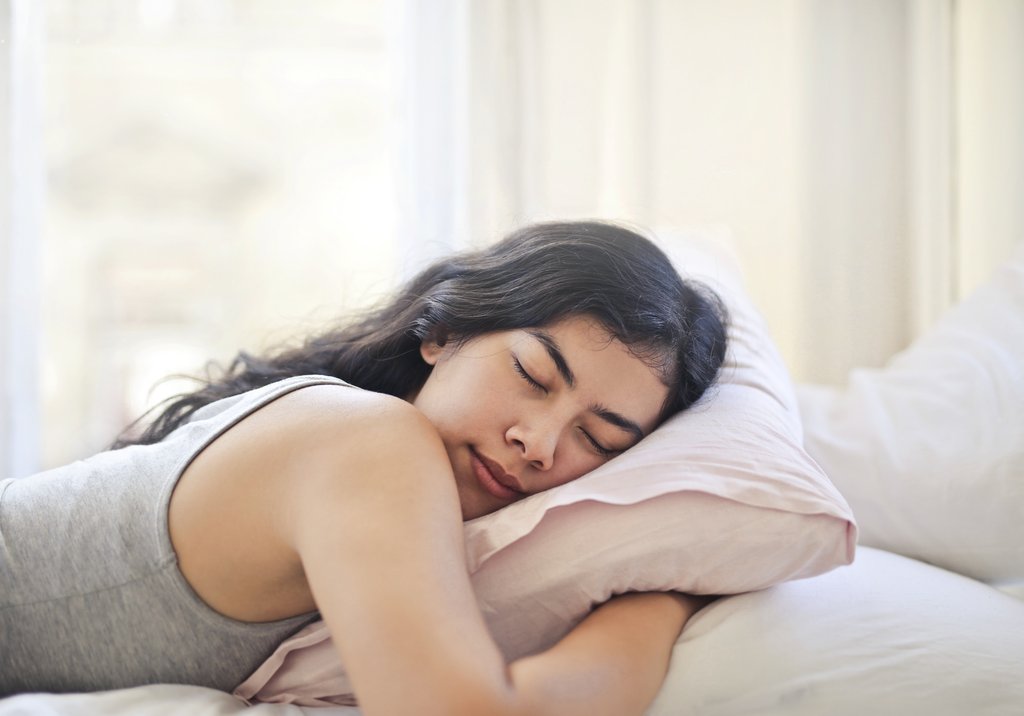
Travel Bloggers’ Tips for Good-Night Travel Sleep

Traveling is great but many of us would eagerly skip some of the accompanying issues, such as sleeping problems.

Whether it’s the jet lag that’s going to bother you or you find it difficult to fall asleep while on the road, there are tricks by famous travel bloggers you can use that will make it easier for you.

Trick the jet lag

The general rule for dealing with jet lag is to gradually adjust your bedtime by one or two hours every day to be able to sleep well away from home at the proper time.

Depending on how many time zones you’ve traveled, here’s how to approach the issue:

  • if you didn’t change a time zone, take a short nap when you arrive (no longer than 2 hours)
  • if you’ve changed 1 or 2 time zones, adjust your bedtime by one hour in the course of two days
  • if you’ve changed multiple time zones, adjust your bedtime by one hour every day until you reach the difference

Note that the direction you traveled affects the level of easiness you’ll get used to the new time zone. Of course, a long flight will affect your health to some extent, but you can make it work when you arrive. It’s easier when you travel to the west because, for most people, it’s easier to stay up late than to wake up earlier than usual.

travel sleep jet lag plane

Good-night gadgets

Earplugs are a highly effective solution against the noise, especially in hotels. Don’t use the hard styrofoam earplugs – they are scratchy and annoying. Try out a few types and see which pair is the most comfortable for you.

A white noise machine is excellent when riding in a car or to kill the hotel sounds. You can choose between several options, such as ocean waves, to help you fall asleep.

Noise-canceling headphones allow you to sleep while you’re wearing them and they can be a great alternative to earplugs. For some people, they are most effective if you wear them before going to bed.

Lastly, you can try out free apps on your phone that offer various white-noise soundtracks, such as raindrops. You can put your phone on the nightstand and play the app, get a speaker that’s designed to fit under the pillow, or simply wear headphones while listening.

Get comfy for pleasant dreams

While traveling, it’s possible to get a good sleep if you are well-prepared.

Wear something comfortable, not something with a lot of zips and buttons. Also, avoid uncomfortable footwear.

The best option is a t-shirt or a sweater, jogging bottoms, and trainers.

Our bodies love routine, so it would be great if you can take your usual pillow with you on the journey. Also, body pillows are a guarantee you’ll get good sleep no matter the quality of the bed you’re sleeping in. 

Sleep masks are useful, too, because they block the light that keeps you awake. Before you buy it, try it on to see if the headband is comfortable for the sleeping position you prefer. Also, check if it’s big enough to cover your earplugs.

eat travel

What you eat is how you sleep

Diet is always an important topic, especially if you want to fall asleep during your journey.

Water is the best beverage you can have while traveling while coffee, alcohol, and energy drinks will keep you dehydrated and more tired. 

For your trip, pack healthy snacks that are low in sodium. On the other hand, food rich in carbohydrates and tryptophan, such as cheese, bread, and nuts, make it easier for you to fall asleep.

Stay away from fast food, no matter how simple it is to get them while traveling. They are filled with saturated fat and sugar, which only leaves you with a heavy belly and no sleep.

When you finally arrive at your destination and you’ve changed time zones, try eating your meals at the same time you would if you were home. That will help your digestive system adapt to a new time zone. Otherwise, you will be woken up in the middle of the night feeling hungry like it’s noon.

Means of transport can’t bother you

If you’re traveling by train, you could be woken up to show your ticket. So, before you fall asleep, place the ticket in the slot or the holder in the seat in front of you. Alternatively, you can wear it around your neck if you hang it on a luggage tag holder.

If you have the option of choosing a “quiet” car on the train, do that. You’ll have to buy a dedicated ticket but at least you’ll have privacy and peace.

Riding in a regular car will be more comfortable for sleeping if you adjust your seat to a reclined position. Also, bringing a pillow and a blanket will mean a lot because you can place them against the window, as well. Place blinds for the windows, too, unless they block the driver’s vision. Alternatively, wear sunglasses and a hat.

The bus is much more comfortable to sleep in if you get an early-morning or a late-night ticket – it will be less crowded.

Bottom line

Travel bloggers know what they’re doing – follow their tips and you will ensure you have quality sleep no matter which transport you’re using and what your destination is.
The Potential of Whale Watching as an Educational Exercise

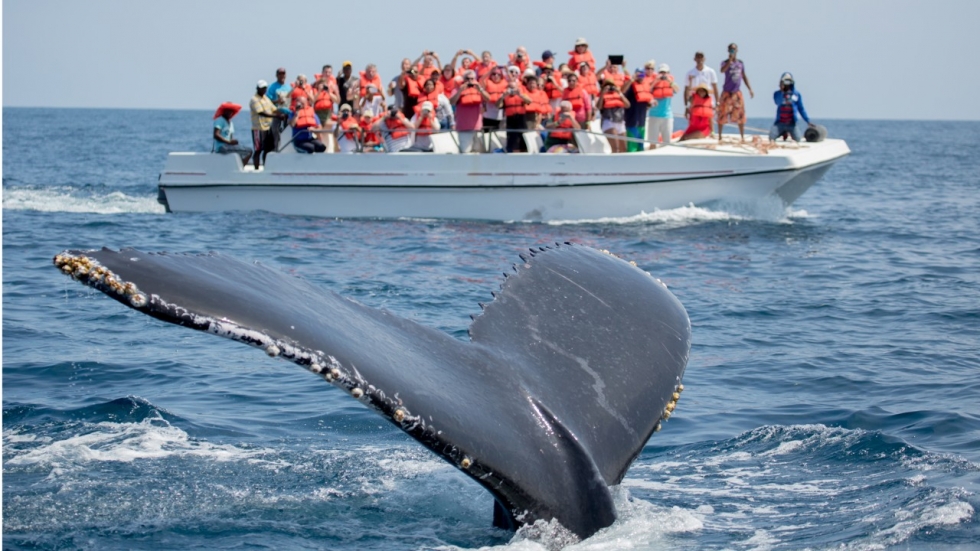
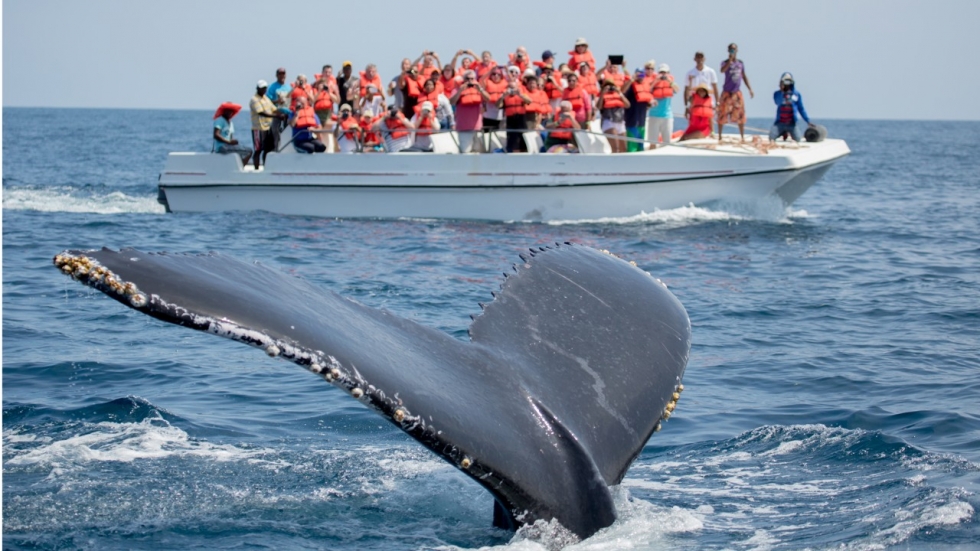
Whale watching in Australia has many aspects of education other than entertainment for many. It has been fascinating to watch the whales thrive in their natural habitat but now whale watching has evolved from early times. With the advent of “ecotourism” and its rapid prominence in Australia and the world, the concept of whale watching has helped people of all ages to know more about the sea creatures and how they impact ecology.

whale watching

Whale-watching is usually managed responsibly in several places. The activity has educational, environmental, and other socioeconomic ramifications too for locals who benefit immensely from the same. The locals expand their scientific knowledge to guide visitors and earn their livelihood. One can even survey local whale-watch operations. Check out the best time to go whale-watching in Australia and one could learn more about the life cycles and behaviour of whales, especially when they are in marine-protected sanctuaries that are a win-win situation for all involved.

Support for Whale Appreciation

Whale watching tourism is now estimated to generate nearly $2 billion worldwide and deliver employment to about 13,000 people. All industries and enterprises support local businesses for introducing whale watching as an educational exercise, for the benefit of coastal communities, whose live encounters help in the appreciation and study of whales and their personal environment. This is important in all whaling countries where whale watching provides an income alternative to the ruthless hunting of whales and dolphins.

The vast enchanting marine world includes sea life species that are already facing the danger of extinction and the need for conservation should be highlighted in different ways. Whale watching offers a complete real experience of observing such marine animals in close proximity and understand their ecosystem. The tour can be enriching for kids and teaches them natural history. The local communities and scientific teams collaborate too for conserving marine life efficiently.

The “educational” whale watching program and tourism

There are many whale watching tour companies who operate in Australia but for a truly educational program, one can include a naturalist’s service onboard. The floating “whale universities” also offer an outstanding whale watching experience to enthusiasts with the help of infographics, displays, hydrophones and the like.  

Whale watching has grown rapidly and impacted tourism in varied forms. The income and jobs generated through these programs by whale watching have fostered a sense of pride about whales and dolphins. For whale-watching to be the mode of education and public awareness, the messages need to be accurate and scientific as per naturalists. The messages should not be preachy but entertaining enough to be part of the whale-watching excursion and a means to protect the marine environment.

Recent case studies of the costs and benefits of whale watching have ensured that responsible activities have a huge educational element to foster an appreciation for marine life in its natural habitat and boost awareness of conservation needs. The long-term financial rewards also add to the educational and social benefits. Whale watching vessels, on the other hand, serve as valuable platforms for data collection on the entire whale or dolphin distribution, the use of habitat, the role of photo-identification and the like. The partnerships are fruitful between whale watch tour operators and scientific researchers that has led to several scientific papers as a result of whale watching vessels.  Additionally, whale researchers aboard hold eco-tours for the advanced communities who continue to contribute in varied ways to sustain marine life with cost-effective access and activities. The entire scenario is dependent on the conservation and care of whale habitats to ensure their natural behaviour is maintained always.

Saying Hello In Each of Europe’s Many Languages [Infographic]

When we are planning on heading abroad for a short break or even a couple of months travelling, there are certain essentials that we must not forget.

First of all, it is worth working out whether you’ll need to apply for any kind of visa to enter the country or countries you plan on visiting.

Travel Essentials

Visa HQ is a very helpful site which lists the 123 countries which warrant a visa for any UK visitors which is well worth looking at before booking your flights anywhere.

Next up, you’ll want to consider the currency of the country or countries you’re visiting. If you’re heading to Europe it is easy to assume everyone uses the Euro, however, this is far from the truth. Take a look at this list on the European Union site for the full fun down.

Once you have your currency sorted, there’s lots of smaller things which aren’t vital to your stay, but will no doubt make a difference.

Things like plug adapters, correct clothing, sun cream won’t necessarily destroy your holiday if you forget them, but will certainly make things a lot more frustrating and expensive.

Another thing which we should all feel is important when travelling abroad is accepting the culture we are about to experience.

Travel of all about stepping outside the comfort of your daily norms and embracing another culture, from its food to its art, its music to the languages spoken.

Infographic

Far too many English speakers have a sense of entitlement and get a little lazy when heading abroad, relying on the locals to speak a little English.

Despite being the third most popular language in the world, there are plenty of people who don’t speak it. For this reason, we should all perhaps make a little effort to learn a few words or phrases before setting off on holiday.

City Base Apartments have put together a handy infographic to help you on your way. Titled ‘Saying Hello In Each of Europe’s Many Languages’ it lists all of the languages and even gives the correct language for countries which share a common tongue.

Take a look below and get your language crash course started!

Saying Hello In Each Of Europe’s Many Languages

12 Tips for Stress-Free Travel with a Baby [Infographic]

12 Tips for Stress-Free Travel with a Baby

Plane, train, or automobile? However you’re planning to travel with a baby, the thought of hauling baby along with you can be a daunting one. You don’t know how she will react to all the new sights, sounds and smells, and the unfamiliar motion is likely to be disorienting for a little one with no real idea of what’s going on around them. Yet, travelling is a great way to stimulate a developing mind, and in many ways, it is more simple to get around with a babe-in-arms than later on when there are school holidays and competing tastes and desires to be taken into consideration. With a bit of forethought and imagination, travelling with a baby needn’t be the trial that nervous parents foresee.

Air travel, for example, is all about comfort and stimulation. Booking ahead to ensure the family sits together and in close proximity to the bathroom, and creating a space for the little one to kick out her legs on a long trip, can go a long way to making things run smoothly. And here’s a special ‘baby cheat’: feed her on take-off and during landing so that her swallowing motion will naturally clear the discomfort of changing pressure in her ears.

You may have a bit more room to move around on a train or boat ride, but this means it is essential to pack economically. Ditch the pram and use a carrier or foldable pushchair, and make sure you’ve got all the essentials in an easy to access bag – especially if you’re on a boat and planning to leave the luggage downstairs in the car. Don’t, repeat don’t scrimp on baby wipes and motion sickness remedies.

Travelling by car puts your destiny back in your own hands, to the extent that you can even plan travel times around your baby’s sleep pattern. Okay, your spouse may end up grumpy if forced out of bed to drive at 4am, but if that’s the hour that you expect to get most peace from the little one then it can be considered a net gain. Just be sure to strap them (the baby, not the spouse) into a rear-facing baby seat in the back of the car, and you should be good to go.

It can be difficult to think ahead in the chaos of dealing with a newborn, but this handy new infographic puts all the best travel with a baby cheats in one place. Study carefully, and bon voyage!

Travel with a Baby


Source

5 most dangerous travel destinations of the world

There is always an inherent amount of risk that tourists take when travelling. Even in the safest destinations, seasoned travellers know how to protect themselves against petty theft and common tourist scams. However, visiting certain areas around the world will ratchet the tourist threat index to an uncomfortable level for most. That being said, a select adventurous few revel in exploring the places that others dare not venture. There are plenty of dangerous places around the world that still remain open to visitors, but the following countries have made it into the top 5 list:

Somalia

Straddling the Horn of Africa, Somalia is home to a stunning coastline and unspoilt beaches. Unfortunately, nearly a dozen warring factions have made the country a practical blackout zone to tourism. The government itself is involved in a fair amount of fighting, and safety is in no way guaranteed for tourists in Somalia.

Somalia’s capital Mogadishu has long been considered one of the most dangerous cities in the world. Independent tourism in this region in strongly discouraged due to the high risk of kidnapping and assault. Major hotels in Somalia recommend visitors to travel with hired armed guards. The major attraction near Mogadishu is the stunning Somali Beach. For tourists that do wish to brave a trip to coastline, keep in mind that under local laws women must swim fully clothed and avoid loitering with men.

Syria

Though Syria has always been a country where tourists were advised to exercise a high degree of caution, the recent outbreak of civil war has made this alluring destination practically off-limits to visitors. This is unfortunate as the nation is full of ancient treasures and sights of major historical interest. Damascus, its capital city, is the oldest capital in the world and home to the stunning Umayyad Mosque, Fakhr-al-Din al-Maani castle, and Azm Palace.

Up until the country’s recent unrest, Syria welcomed tourists, and possessed a tourist-friendly infrastructure. It is still possible to visit Syria, though widespread violence throughout the country has made things so unsafe that EU and US citizens still within Syria have been asked to contact their embassies in order to arrange safe transfer home. For those still wishing to make the trip, visas can be obtained upon arrival into the country. There are several routes of entry into Syria from neighbouring Turkey. Due to tensions with Israel, visitors with entrance or exit stamps from Israel on their passport will not be allowed into Syria.

Iraq

Much of Mesopotamia, widely considered the cradle of civilisation, is confined within the borders of Iraq. With remnants and ruins from the ancient Sumerian, Assyrian, Akkadian and Babylonian empires, Iraq is a veritable treasure chest of historic gems. Given the country’s history, it’s understandable that despite what Iraq has to offer, a vast majority of tourists would not consider travelling there. In truth, these travel fears are largely warranted. Though the war in Iraq may be officially over, the threat of violence and kidnapping in the centre of the country remains especially high. Travellers intent on seeing the ancient ruins of Babylon, Ashur, and Hatra may do so at their own risk. Visas must be secured before entering the country, and armed guards will be essential in some areas.

Yemen

Yemen is a fascinating country with perfectly preserved historic towns and stunning Red Sea beaches. However, all travel to this country on the Arabian Peninsula is strongly discouraged by most Western governments. Instability, terrorist attacks, and a high prevalence of kidnappings make this a largely unsuitable environment for tourists. Yemen also suffers from a relatively poor infrastructure. As a foreigner, solo car travel is difficult for numerous reasons, and trains are non-existent. In addition, the political situation in the country is very unstable and visa requirements change often.

Those who wish to venture into Yemen despite the risks can do so by flying into Sana’a from Dubai. Along with Old Sana’a, Yemen’s major attractions include the magnificent ancient towns in Hadhramaut, and the beach city of Al Hudaydah.

Zimbabwe

Once one of the richest nations in Africa, Zimbabwe has struggled against both economic and political collapse over the past 10 years or so. This instability has unfortunately put this former tourism hot spot on this list. Home to Victoria Falls, and Zambezi National Park, Zimbabwe is a beautiful country full of native wildlife and stunning natural scenery.

Outside its national parks, the country’s major cities are considered unsafe for tourists. In addition to armed robbery and assault, disease is a major threat to tourists staying in the landlocked African country. Visitors are encouraged to get hepatitis A, typhoid, malaria, and rabies vaccines before arriving in Zimbabwe.

Travellers insistent on seeing Victoria Falls and Zambezi National Park can stay in stable Botswana or South Africa. Day trips operate regularly from these nearby countries and are considered relatively safe.