Tag Archives: Norway

Europe’s 8 Most Overlooked Small Cities With A Lot To Offer

It is no secret that London, Rome, and Paris are magnificent cities with beautiful features, supreme highlights and much more. However, Europe has inexhaustible small cities that give travelers a more intimate and authentic view of the country. As much as the Capitals are obvious highlights, squeezing the small cities into your itinerary will spice up your stay. Here are 10 of our absolute must-sees.

  1. Rovinj, Croatia

Seamlessly located on the Istrian peninsula, Rovinj is a beautiful archipelago of 20 islands with its town hemmed in on a small peninsula. Quaint alleys, stairways, and other interesting architecture frame the silhouette of its adventures. Other historical gems include St Euphemia’s Basilica, seven city gates and the 12th-century town clock.

Rovinj
Rovinj


  1. Caceres, Spain

If you are still speculating on where all the gold went to when Spain was under siege, much of it went to building the mansions, cathedrals, and palaces that are tucked away in beautiful Caceres. This off-the-beaten-track city boasts of an abundance of features including Ciudad Monumental, Camino de Santiago pilgrimage, and Via de la Plata. Here, you will love the architectural blend of Roman, Islamic and Italian revitalisation styles.

Caceres, picture from http://www.turismoenextremadura.es/conjuntos-historico-artisticos-caceres/


  1. Heidelberg, Germany

Situated in the vale of Odenwald mountains, Heidelberg is a chocolate-box and starry-eyed getaway city. Its most extraordinary features include the historic old town, numerous historic churches and the University of Heidelberg. Every inch of this spot is filled with history, from narrow streets to the scattered parks and much more.

Heidelberg
Heidelberg


  1. Porto, Portugal

An old city slipped away on the Iberian Peninsula; Porto sits between Douro River estuary and has been under foreign control for more than a millennium. Consequently, it has been nominated under the UNESCO world heritage and the buildings that snake through the streets are about as remarkable as anything you have ever seen. In fact, Porto has become an iconic name for a brand of wine sold through its port.

Porto
Porto


  1. Trondheim, Norway

Trondheim is a one city in Scandivania that is so picturesque- they say a picture tells a thousand words but Trondheim tells even double. It’s just spectacular. You will need 24 hours to explore the numerous sites in it and another 24 hours to visit the neighbouring area.

Trondheim
Trondheim


  1. Groningen, Netherlands

With approximately two bikes for each resident and a town centre that’s in effect inaccessible by motorists, Groningen is categorically the best place to keep fit. It also brings together some of Europe’s bet features including an annual festival and nightlife as vibrant as its people.

Groningen, image from http://typta.com/


  1. Manarola, Italy

Manarola is a charming fishing town famous for its exclusive wine, Sciacchetra. It is one of the most peaceful towns on earth- no traffic lights, no screeching cars, no hooting of vehicles. This is because there is no vehicles access to the city area. To visit the city, you will take a bus or walk on foot after having parked your car outside the town.

Manarola
Manarola


  1. Split, Croatia

Split, a jewel in the Croatian Adriatic, is in a prime location in Croatia because it is close to a couple of beautiful cities such as Dubrovnik, Zadar, and Sibenik. Also is surrounded by the beauty of Croatia’s hidden gems, such as the city of Trogir which people say is mini Split, Čiovo which is a beautiful island with mountains that visitors enjoy immensely. Of course, you can take a blue cave tour from Split to the island Bisevo. Blue Cave is an iconic sea cave that travelers visit very often and even go scuba diving there. The specialty about this cave is of course, the blue light that magnificently portrays itself due to the sunlight reflection on the water through a crack in the cave. It is spectacular and a must see destination.

Split
Split


There is Much to See in Oslo

Norway’s capital is a compact city with much to see. There are some wonderful museums, large parks, great restaurants and interesting nightlife. Here are some suggestions on things to see.

Main street

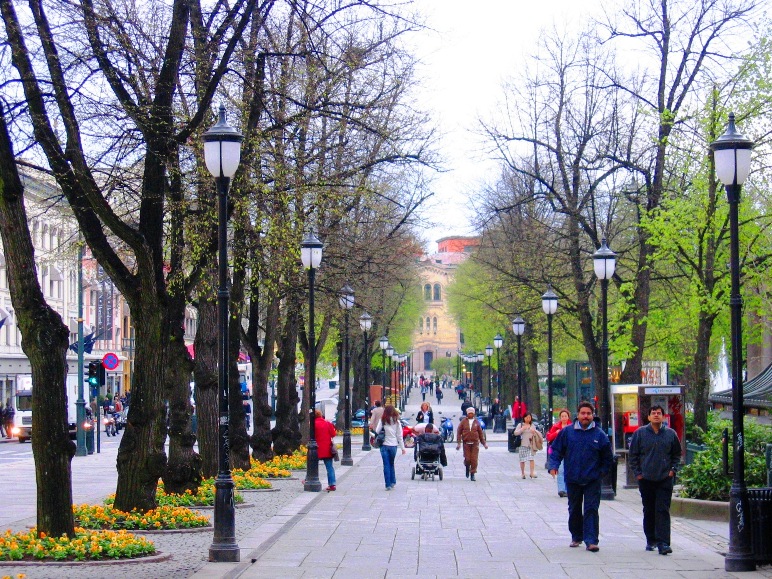
When we walk down the main street of Oslo, we feel at ease. There is no mad traffic, the airy streets and pleasant squares have a comfortable feel, and restaurants and cafes spill out onto the footpaths welcoming us to stay. It would be hard to find a significant capital city with a more good-natured feel.

Main street

The city centre has remained surprisingly compact and the main thoroughfare – Karl Johans gate – is a good reference point as it starts at the main railway station and ends at the royal palace. It is the location for the city’s parades, and the site of a seasonal ice-skating rink. The street is bustling with restaurants and stores that make for excellent people watching and window-shopping.

Royal Palace

The Royal Palace stands without walls, and reflects Norwegian openness and general safety. It is built in Neo-Classical style with a facade of stuccoed brick. The building has two wings and is three storeys high. The building was commissioned by Karl XIV Johan in the early 19th century but he died before it was completed. A statue of the king on horseback is in the open space in front of the palace.

Royal Palace

This is where the daily work of the monarchy is conducted and where the King and Queen live. It is where the King presides over the Council of State, grants audiences and holds official dinners. Foreign heads of state who visit Oslo generally stay at the Palace and most of the members of the Royal Court have their workplace here.

Folk Museum

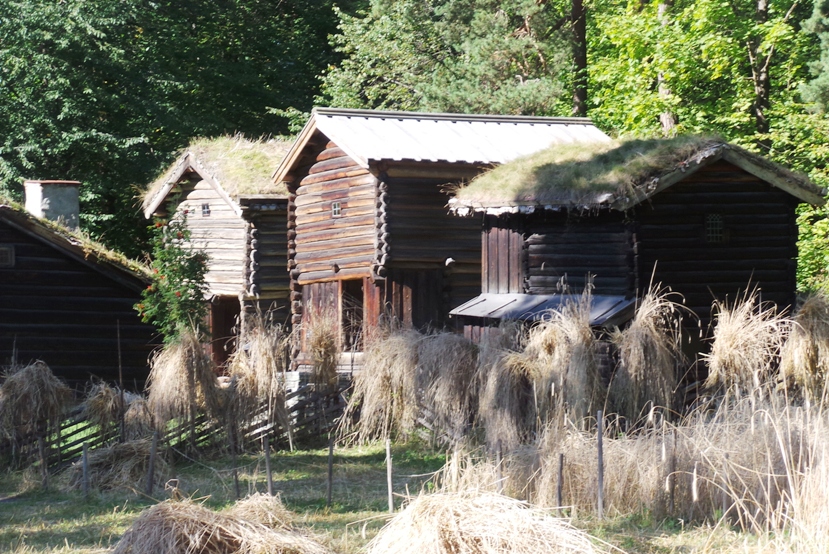
The Norwegian Folk Museum combines indoor displays with a collection of 160 reassembled buildings from around the country making it Europe’s oldest and largest open-air museum. The oldest two buildings are the shingle-covered Gol stave church and a house from Rauland, both from the thirteenth century.

U

In summer, costumed guides roam the site demonstrating traditional skills such as spinning, carving, dancing and horn blowing and this adds considerably to its appeal. An unexpected feature is an apartment building with exhibits and interiors representing different time periods during the past 130 years. Both the buildings and the indoor exhibits which cover furniture, clothing, tapestries, rose-painting, carving, farming implements and the Sámi population are interesting.

Viking Ship Museum

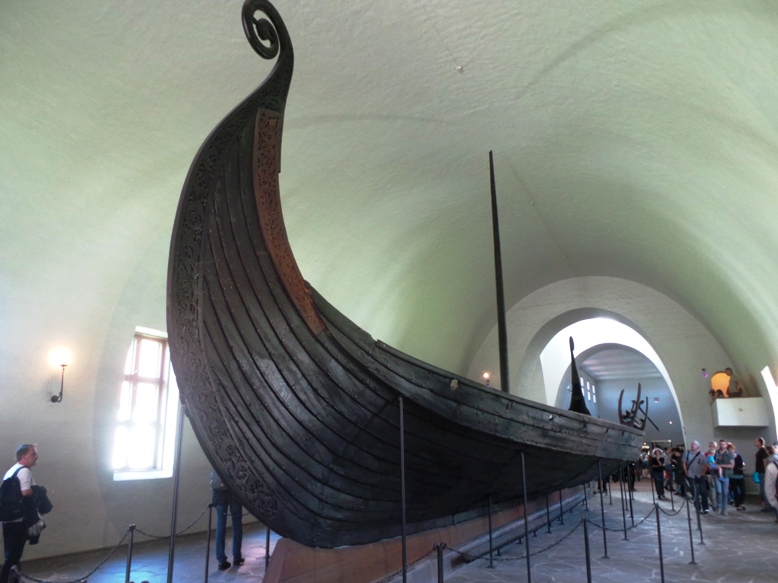
The Viking Ship Museum is a five-minute walk away. Here a trio of 9th-century Viking ships are on display in a specially constructed building which has viewing platforms to let you see into the ships. They are the best-preserved Viking ships in the world.

Two of the ships – the Oseberg ship and Gokstad ship -are in remarkably good condition and there is also a display of the treasures that were buried with them. As burial ships, they were equipped with unique treasures such as wagons, horses and textiles. Few examples exist elsewhere as they are seldom preserved from the Viking age.

Viking Ship Museum (2)

The graves also contained jewellery, weapons, tools and household goods. I now see the Vikings in a new light – sure there was rape and plunder but there was also domestic sophistication. The museum was constructed over a long period starting in 1913 and it was not finally completed until 1957. It is the work of Amstein Arneberg a highly renowned Norwegian architect who also designed the Oslo City Hall.

Fram Museum

The Fram Museum displays the vessel that took explorer Roald Amundsen to within striking distance of both the South and North Poles. Fram is claimed to be the strongest vessel in the world, and the surface vessel that has been the farthest both to the north and south of the globe. It was launched in 1892. My wife and I clamour all over the boat and see the cramped living quarters that the crew endured.

Fram (1)

These explorers were undoubtedly strong men and the conditions they experienced were tough. I certainly would not have volunteered. Three galleries run along the museum’s walls displaying items taken on the voyages and detailing the route and conditions encountered by the intrepid explorers. There is also a representative selection of stuffed animals from the polar region which may interest children.

Sculpture Park

Oslo’s most popular attraction – Vigeland Sculpture Park – is the world’s largest sculpture park made by a single artist and is open to visitors all year round. There are more than 200 sculptures in bronze, granite and wrought iron.

The sculpture park is within a large green area called Frogner Park. Fifty eight of the park’s sculptures, including the popular Angry Boy are arranged along what is called The Bridge, the main connection between the Main Gate and the Fountain.

Sculpture Park (2)

The Fountain is one of the Park’s showpieces and is adorned with 60 statues portraying children and skeletons amid giant trees. The park’s most popular attraction is The Monolith which is situated at the highest point. This towers upwards and is composed of 121 human figures climbing towards the sky. I find the Park has enormous appeal and I urge everyone to visit whether you are into art or not.

Nobel Peace Centre

In Oslo’s old railway station is the Noble Peace Centre which celebrates and publicizes the Noble Peace Prize. The building’s ground floor features a series of displays about conflict and peace while upstairs there is a display on the Nobel family and the ‘Nobel Fiels’ where all past holders of the peace prize have a light bulb on a flimsy stalk in a striking display.

U