Money, food and the weather are some of the biggest reasons behind family fallouts while away, new research has revealed.
The study, conducted by cruise agent Bolsover Cruise Club, surveyed 1000 UK adults and examined the most common reasons behind holiday spats, as well as the optimum length of time we could spend away with our loved ones before bickering was likely to set in.
The results showed that despite their many positives, holidaying with our friends and family can be a rather stressful affair, especially when it comes to the day-to-day.
In fact, the study found that more than two thirds of Brits admit to falling out with friends or family when on holiday, and that we’re likely to have heated words with our loved ones around four times a week on average while on our jollies.
Top 5 reasons for Fall Outs on Holiday:
What to do and see
Where/What to eat
The weather/heat
Money/splitting bills
People not controlling their children
Outside of the top five, other reasons given behind common disagreements between friends and family were things such as travel and directions (22.8%), who gets which room/bed (20.2%) and being generally over tired (18.9%).
Men were found to be the more frugal of the sexes, as more than a third shared that they were likely to cause tensions with their friends and family over money/splitting bills, compared to just 14.6% of women.
That said, nearly half of the women (41%) surveyed admitted that they regularly get hot headed towards their travel companions over food choices while on holiday.
Bolsover Cruise Club also quizzed participants on how long they believed they’d be able to holiday with various family members and friends and used this to find the optimum amount of time Brits should consider booking time away with their loved ones.
Results uncovered that our partner was likely to be the best choice for a longer break, closely followed by brother(s) and friends.
Unfortunately for grandma and grandad, dad, sister(s) and nieces, nephews and godchildren, they were all ranked pretty low on the scale in terms of tolerable days.
Maximum Holiday Time Before a Fallout*
Partner: 10 days 6 minutes Mum: 6 Days, 16 hours and 48 minutes Dad: 2 Days, 13 hours and 33 minutes Brother: 7 Days, 7 hours and 12 minutes Sister: 2 days, 21 hours and 36 minutes Grandparents: 2 days, 12 hours Children (yours): 8 days, 12 hours Children (your nieces, nephews, godchildren etc): 1 days, 12 hours Aunties and Uncles: 3 days, 12 hours Cousins: 5 days, 7 hours and 18 minutes Friends: 7 days
Michael Wilson, Managing Director at Bolsover Cruise Club, commented on the findings: “While there are naturally family feuds and bickering amongst friends, it is great to hear that the majority of Brits are still happy to head away on their annual holidays with their loved ones.
“One key thing to keep in mind is that it’s perfectly okay not to all want to do the same thing while away, whether that’s food, activities or general lounging around the pool, which is why we believe a cruise can provide a great option when wanting to please more than one or two holidaymakers.”
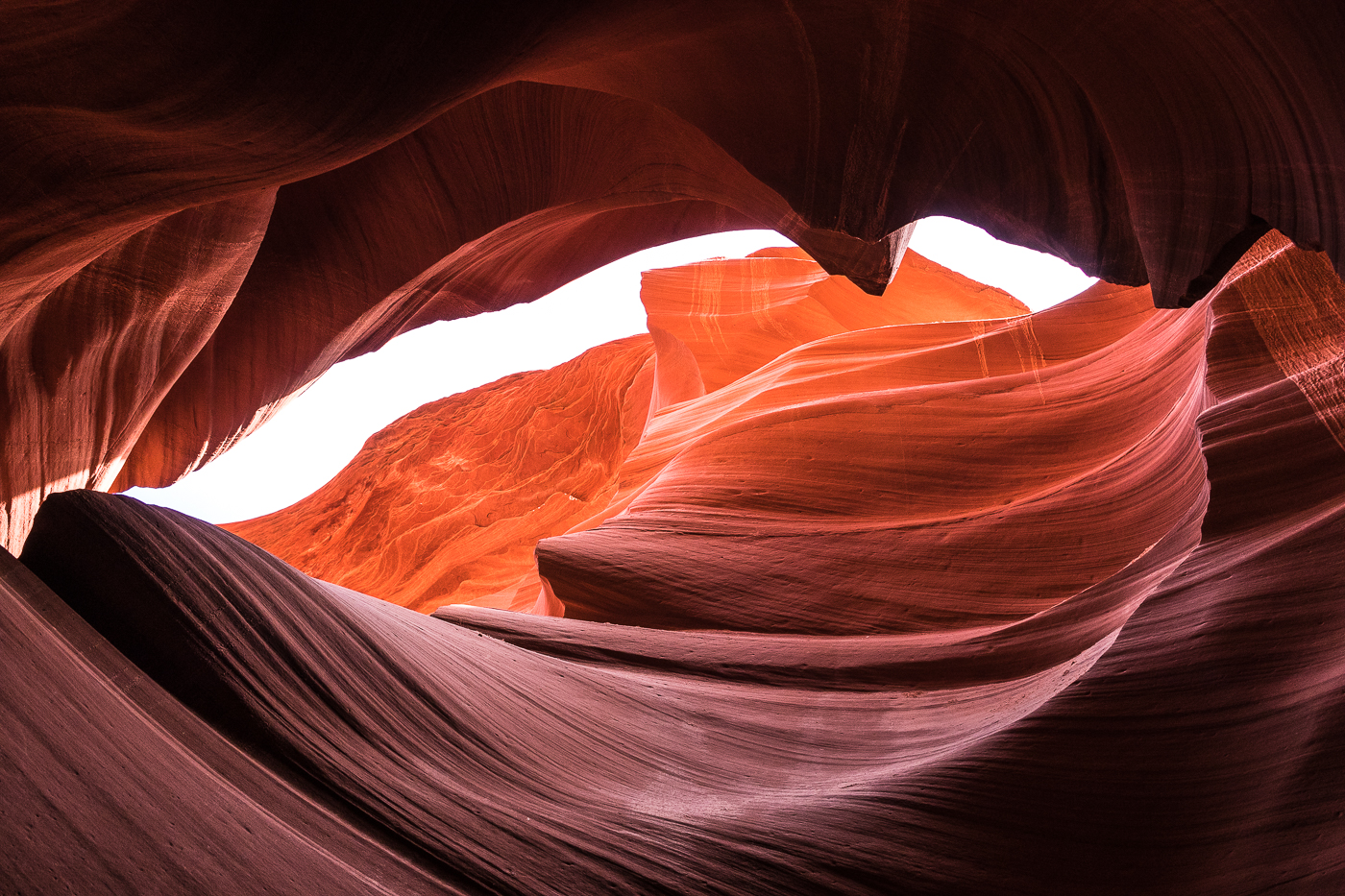
If you ever doubted the power of social media, you need to visit Page, Arizona, USA. There are two attractions nearby that were hardly known by anyone other than locals twenty years ago. Then came Instagram, and Antelope Canyon and Horseshoe Bend have become internationally known tourist attractions that everyone visiting the western USA wants to see.
Antelope
Canyon is a slot canyon on Navajo Indian land. It has two separate, scenic
sections; Upper Antelope Canyon and Lower Antelope Canyon. The two canyons are
distinct but are within a 10-minute drive of each other. You can choose to do
both in one day and each will take roughly two hours. But it’s not as easy as that
because you need to book ahead and tours are often running late.
Antelope Canyon was formed
by erosion primarily due to flash flooding. Rainwater
runs into the extensive basin above the slot canyon sections, picking up speed
and sand as it rushes into the narrow passageways. Over time the passageways
eroded away, making the corridors deeper and smoothing hard edges.
Antelope
Canyon is a very popular location for photographers and sightseers, and a
source of tourism business for the Navajo Nation since the first tour in 1997.
All visits are through one of several licensed tour operators. It is not
possible to visit the Canyon independently. You will need to rent a car or take
an organised tour to reach Antelope Canyon since there is no bus or public
transportation.
You cannot
drive your car straight to the entrance of the canyons. Instead, you drive to
your tour provider, park at their shop, and then your tour provider transports
you to the canyon, either by car for Upper Antelope Canyon or by foot for Lower
Antelope Canyon.
Lower Antelope Canyon
Because I
was on a very tight schedule, I could only visit the lower canyon where two
operators provide tours. As far as I can tell they operate almost identical
tours at a similar cost. To a large extent the success of the tour depends on
the guide. Our guide was very helpful in taking photos and told us stories
surrounding the rock formations.
Lower
Antelope is a more difficult hike than Upper Antelope. It is longer, narrower
in spots, and there is uneven footing in some parts. Five flights of steep stairs
are available to aid in descent and ascent. It is not recommended for people
with walking difficulties, pregnant women or the very obese.
Antelope
Canyon is visited exclusively through guided tours, in part because rains
during monsoon season can quickly flood the canyon. Rain does not have to fall
on or near the Antelope Canyon slots for flash floods to whip through, as rain
falling many kilometres away upstream of the canyons can funnel into them with
little prior notice.
Visitors start their guided
Lower Antelope Canyon tours with a short 10-minute walk from the ticket booth
to the entrance of the canyon. The trail leading to the entrance is both rocky
and sandy, so appropriate shoes are necessary.
The Antelope slot Canyon
tours are all-walking tours that are about one and a half hours long. Visitors
walk just over 1,800 meters round trip. Visitors are welcome to take photos
with handheld devices (no tripods, monopods, selfie sticks, or GoPros are
allowed). It would be a pity to visit without some photographs because the
canyon is really spectacular.
Horseshoe
Bend
This Instagram favourite is a horseshoe-shaped incised meander of the Colorado
River (think Grand Canyon) within Glen
Canyon National Recreation Area, about 6 km southwest of Page. Just like
Antelope Canyon, social media has dramatically increased the number of visitors
who come here and the parking lot has just been tripled in size to help
accommodate the rush.
It is a 2.5 kilometre
round-trip from the parking lot to an outlook point. The track is a bit rough
in places and it descends some distance so it’s not suitable for wheelchairs or
those with restricted movement. Make sure you
take water with you when the weather is hot and there isn’t any shade. The
overlook is 1,300 m above sea level, and the Colorado River is at 980 m, making
it a 320 m drop.
There is usually
a large, steady stream of people walking to and from the bend and once you get
there everyone is jockeying for a photo spot. I’m surprised that people don’t
fall over the edge on a regular basis because there is no barrier along most
parts. You will be amazed by the view and by the craziness of some people
taking extreme measures for their perfect picture. Most visitors get in, get
the picture, and get out within an hour or so.
Insta-worthy dream holiday without having to pack your bags!
Holidays are one of the best ways to tick off those outstanding items on your bucket list. The holiday provides us with the opportunity to do those ‘once in a lifetime’ things that we dream about in our day-to-day, a chance to live those exhilarating experiences and collect those unforgettable memories.
But what if you didn’t have to wait for a big, expensive holiday to a far-flung destination to do all the things on your list? What if you could do those same incredible activities in the UK or Ireland?
Stena Line asked the UK public what they would most want to do on their dream holiday. Here are the top 5:
Surfing
Safari experience
Thermal springs
Whale watching
Skiing
So, how can you have an Insta-worthy dream holiday without having to pack your bags and fly around the world?
1. Surfing
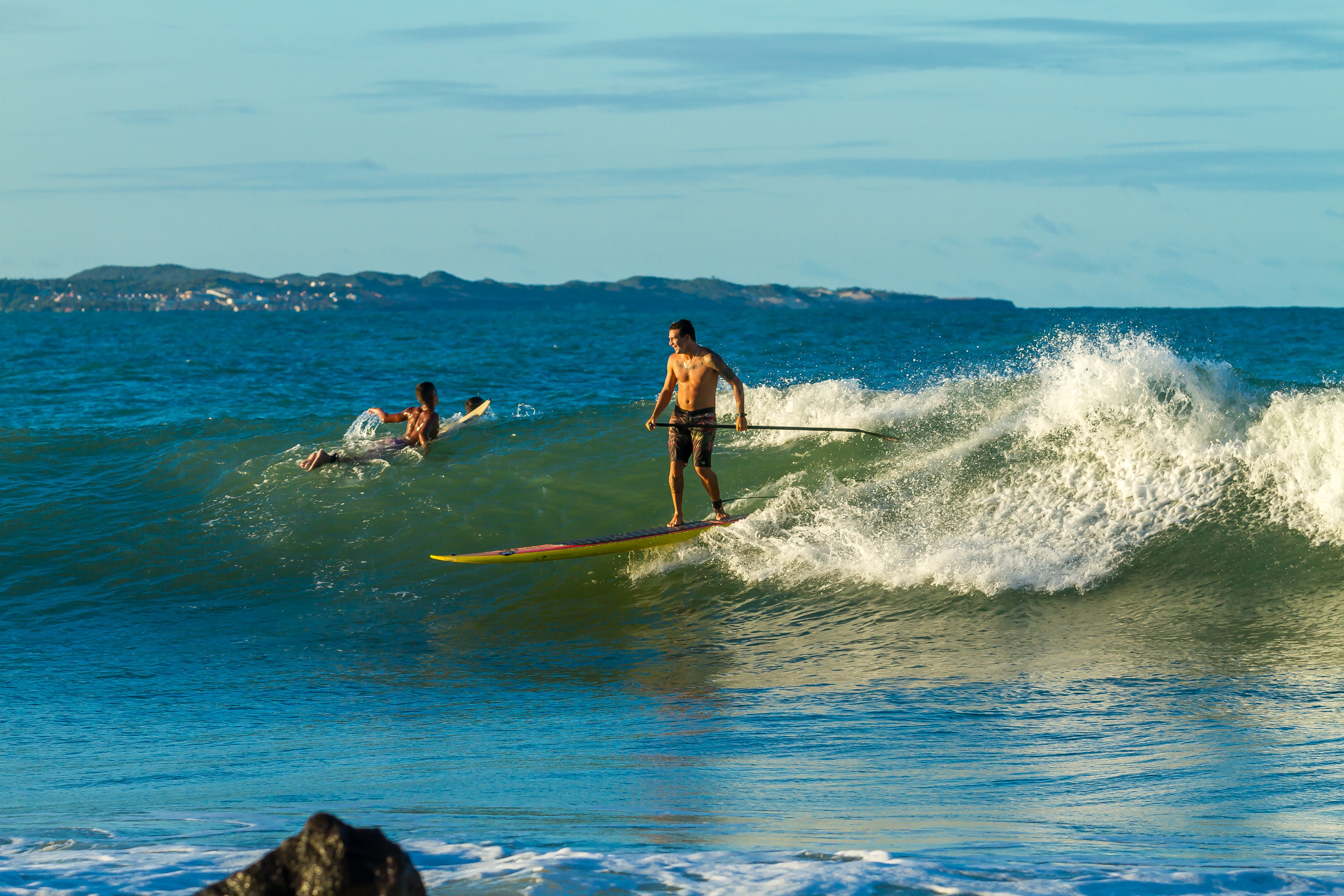
Surfing has (excuse the pun) really made a
splash with holidaymakers over the last decade or so. It’s grown from an
ancient practice in Polynesia to a rebellious sub-culture in California and now
it can be found all over the world.
Surfing is a perfect holiday activity because
it combines a little bit of learning — perfect to keep the brain stimulated
when it might otherwise switch off — with a fun physical challenge and plenty
of time in the sun.
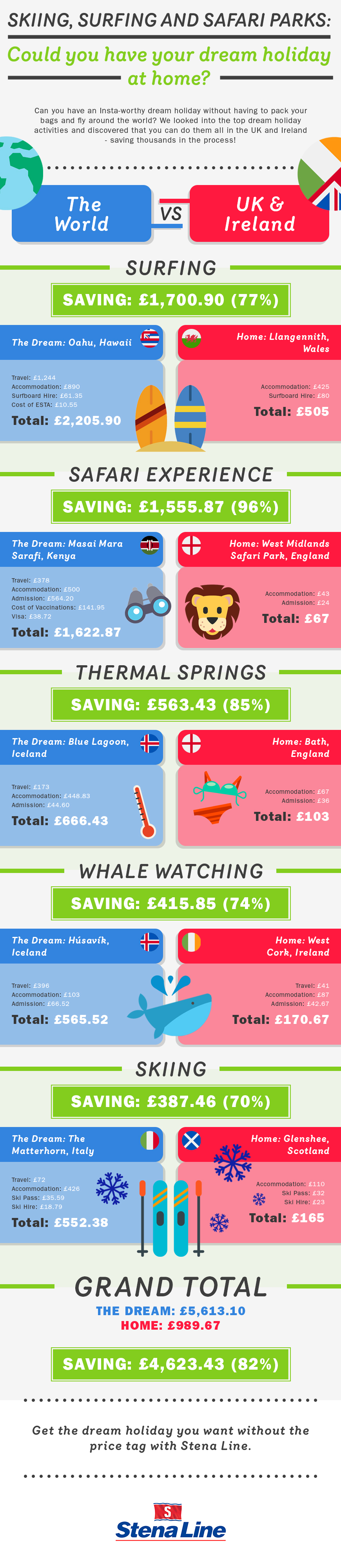
The dream: Hawaii, USA
Though Californian surf culture made the
practice famous in contemporary society, the best surfing can still be found
where it all started. Hawaii is known for its profound surf culture and
world-class waves. Its white beaches and sub-tropical climate make it a surfer’s
dream.
Getting there, however, is not a laid-back
experience. From the UK, it takes at least 17 hours to get to Hawaii, not
including transfer time, which can quickly stack up to nearly an entire day of
flying. And the flights, as you might expect, aren’t cheap. We found that
return flights were £1,244 per person.
Once you’ve landed, you could technically surf
for free (no one owns the ocean, after all), but it’s unlikely that you’ll haul
a surfboard halfway around the world with you.
Instead, you’ll probably want to hire your
gear when you’re there. If you go for, let’s say, five days (you’ve gone all
that way, after all!), you can hire a beginner board for a week for $80
(£61.35). Five nights in a good mid-range hotel in Honolulu will set you back £890.
Oh, and don’t forget: Hawaii is part of the
USA, which means you’ll need to purchase a $14 (£10.55) ESTA to get through
customs.
Altogether,
that clocks in at £2,205.90.
Close to home: Llangennith, Wales
Over the last decade or so, there’s been a marked
rise in the number of people going ‘cold water’ surfing in North America and
Europe.
One of the best places for that? Wales —
specifically, Llangennith, a long beach where surfers can get stuck in to the
Gower, a reef renowned for its waves. The Gower has been called the heartland
of Welsh surfing, offering waves for surfers of all abilities, whether you’re
after those mellow troughs or those gnarly thirty-footers.
Some of the best surfers in the UK refine
their craft in the waves off the shores of Llangennith, so it’s definitely one
for your bucket list.
Unlike Hawaii, you won’t need to worry about
getting flights to Llangennith if you’re in the UK. Surf gear is a little more
expensive than Hawaii — about £80 to buy a beginner board and wetsuit — but you
won’t need to pay for a visa or an ESTA to get there.
Because it’s only a short journey, you could
probably visit Llangennith for a couple of days before heading back, but for
the sake of being fair, let’s say that you’re staying for five days.
Accommodation in Llangennith is around £85 per room for a mid-range hotel so
your hotel costs for the week would come in at about £425.
The sum
total takes you to just £505.00.
Saving:
£1,700.90 (77%)
2. Safari experience
Getting out onto the plains of Africa is the
dream of many a wildlife enthusiast, which is why a safari is at the top of
many people’s bucket lists. They’re often the only opportunity that people have
to see some of the world’s most incredible animals out in the wild, up close,
from gigantic elephants and hippos to lion prides and ferocious crocodiles.
The dream: Maasai Mara, Kenya
No continent does a safari quite like Africa —
its stretching plains and varied wildlife makes it a haven for animal-lovers.
One of the best-known safaris in Africa is the Maasai Mara National Reserve in
Kenya. Maasai Mara shares a common border with the Serengeti and is famous for
its plentiful populations of lions, leopards, cheetahs, zebras and wildebeest.
The problem is that going on a safari in
Maasai Mara is an all-in experience; planning a day trip out onto the plains
isn’t easy to do. The shortest safari package we could find was a 3-day outing
that started at $746 (£564.20) per person. Assuming you would stay an absolute
minimum of 2 nights, that puts accommodation at £500 per room if you want to
stay near Maasai Mara. Cheaper rooms are available in Narok, the nearest town,
but it’s a three-hour drive away.
Getting to Kenya in the first place is fairly
pricey. Return tickets are about £378 per person, but you’ll also need to
factor in getting a visa for entry for $51 (£38.72) and the shots you’ll need
for typhoid and yellow fever (£141.95). That
puts the entire trip at £1,622.87 per person, excluding food and airport
transfers.
Close to home: Birmingham, England
You’d be mistaken in believing that you have
to leave the UK and Ireland to enjoy an engrossing safari experience. The West
Midland Safari Park — located just half an hour or so outside of Birmingham —
offers one of Europe’s best wildlife experiences. Lions? Check. Zebras? Check.
Elephants and rhinos and cheetahs and pretty much everything else you’d spot on
the Serengeti plains? All check. And you can see them all in one day!
Admission, as you might expect, is much
cheaper than booking an African experience. Day passes start from £24 per
person, though you can book a VIP package if you want something more immersive.
Accommodation in Birmingham is agreeable, too, with mid-range hotels starting
at about £43 per room. And since it’s in
the UK, you won’t need to pay anything for flights, visas or vaccines, which
puts the total at just £67.
Saving: £1,555.87 (96%)
3. Thermal springs
Everyone loves a good spa day, but there’s
something magical about the restorative powers of the earth itself. Though
thermal spas have been around for millennia (they were a particularly big hit
with the Romans), they’ve recently had a rapid increase in popularity. Genuine
thermal spas are a rarity, which is why they’re sought after by holidaymakers
who are looking for unique experiences.
The dream: Blue Lagoon, Iceland
The tourism statistics for Iceland’s Blue Lagoon
have benefitted massively from the Instagram generation. It’s one of the most
beautiful places in the world, sporting an azure blue volcanic lake that
contrasts sharply with the stark igneous landscape that surrounds it. For that
reason, it’s become a top destination for modern travellers to go to.
It isn’t cheap, though. Iceland is notoriously
pricey — in fact, it’s cited by many as the most expensive tourist destination in the world,
due to high import costs and taxation on food and alcohol. The Blue Lagoon is
ISK 6,990 (£44.60) for just one hour in the pool, and that’s if you book in
advance. If you want to stay over, the on-site hotel is your only real option,
as the spa is in the middle of nowhere. A stay at the Silica Hotel starts at
ISK 70,400 (£448.83) per night. Add the
flights on top of that — £173 return from the UK — and your total comes to
£666.43.
Close to home: Bath, England
Bath is, in the minds of many, the original
thermal spa town. It’s even named
after the Roman baths. That’s because of the plentiful geothermal springs
underground that allowed Roman settlers to create hot bathhouses, some of which
still stand today.
You can actually enjoy a dip in a genuine
geothermal spa when you visit Bath by going to the Thermae Spa. Admission to
the New Royal Bath is £36 on weekdays, for which you’ll get a two-hour spa
session and access to the open-air rooftop pool and the Minerva Bath, the
largest of the thermal baths. Accommodation
in Bath is about £67 per night, and without flights to worry about, your total
comes to just £103.
Saving:
£563.43 (85%)
4. Whale watching
Whales are incredible creatures. With the
largest of them measuring almost 30 metres long, it’s understanding that the
vast majority of them don’t fit in an aquarium or sea life centre. You have to
go out into the wild to see them for real — and spotting them is one of the top
things that we want to do on holiday.
The dream: Húsavík, Iceland
One of the best spots to see whales in the
world is off the northeast coast of Iceland. The coastal town of Húsavík has
become a hotspot for budding whale-spotters, and as such, there are several
companies that run world-class whale-watching tours out of Skjálfandi Bay on
traditional oak boats.
As mentioned earlier, though, Iceland is
expensive. The three hours you spend on the water will cost you 10,500 ISK
(£66.52) per person, and a night spent in Húsavík will cost you around £100 per
room — and that’s at the low end of the spectrum. Return flights to Akureyri —
the nearest airport to Húsavík — are about £396 from the UK.
That means that even without food costs and
airport transfers — which can be two or three times what you may spend in the
UK — you’ll be spending £565.52 to do a
day of whale watching in Iceland.
Close to home: Cork, Ireland
Did you know that the Irish government
declared the coastal waters of Ireland a whale and dolphin sanctuary during the
early 1990s? Ireland’s policies on the preservation of sea life have turned it
into one of Europe’s top spots for seeing Minke, Fin, Baleen and even Humpback
whales in their natural habitat.
You can go whale watching from West Cork for
just €50 (£42.67) per person for 4 hours out on the water. Accommodation in
Cork is around £87 per night for a mid-range hotel, and getting to Cork from
the UK is easy — you can hop aboard a ferry from just £41 per person for an
overnight stay, which gives you as much as 36 hours in Ireland.
Altogether,
you’ll be spending just £170.67.
Saving:
£415.85 (74%)
5. Skiing
Skiing has a sort of vintage charm about it —
maybe that’s because its popularity grew rapidly in the 50s and 60s when metal
skis made it easy, even fun, for amateurs to ski as well as pros. Since then,
it’s become a top holiday recreation, complete with cosy lodges and alpine
tipples.
The dream: Cervinia, Italy
What skiing hotspot can compete with the
world-famous Matterhorn? It’s instantly recognisable by its pyramid shape and
its looming presence in the Alps, crossing the borders of both Italy and
Switzerland. One of the best ski resorts at the base of the Matterhorn is
Cervinia, Italy, where you can take a lift up to some of the best parts of the
mountain and ski to your heart’s desire.
Flights to Cervinia are very reasonable from
the UK, with return flights coming in at only about £72 off-peak. A day-pass to
the Cervinia resort is €43 (£35.59), with ski hire coming it at £18.87 per day
if you book online. However, accommodation is pretty pricey, probably because
of how remote the hotels are. For two nights, you’ll be looking at about £426
per room.
For argument sake, let’s say you just want to
ski for one full day — that takes your
total to £552.46.
At home: Glenshee, Scotland
Bet you didn’t know there were ski resorts in
the UK! In fact, Glenshee Ski Resort in Scotland sees a great deal of snowfall
throughout the year, and with a few gentler slopes than Cervinia, it’s ideal
for beginners and intermediates.
Admission to the ski resort is a little
cheaper than Cervinia, with a 1-day lift pass coming in at £32 (although if you
just want to hit the beginner slopes, you can get to them for just £20 a day).
Ski hire is £23 a day for skis, boots and poles.
The biggest saving you’ll make is on
accommodation. You can stay at a mid-range hotel in Ballater — about half an
hour’s drive from Glenshee — for about £55 a night, so £110 if we’re going to
match the two nights you’d spend in Cervinia.
That
puts your total at just £165.
Saving:
£387.46 (70%)
The Dream: £5613.18
Home: £947.67
Saving: £4,665.51
83%
A dream holiday from home
If you have plenty of money — and time, too — you might be willing to travel the world to complete your holiday bucket list. For the rest of us, though, the good news is that all the activities we dream about for our perfect holiday are right on our doorstep here in the UK and Ireland.
Here’s to a staycation that exceeds all
expectations!
White swans, a low-flying vintage aircraft, colourful boats, and a seven hundred-year-old bridge battle for my attention as I gaze out across the still waters of Lake Lucerne, Switzerland. In the end, the bridge wins. The Kapellbrücke is a covered wooden footbridge with more than 100 17th-century pictures hanging from the roof rafters. It is my lasting image of Lucerne.
For a city of only 75,000
Lucerne punches way above its weight in terms of visitor appeal. It’s almost
too picture-perfect, sitting on the lake with the hills all round. A highlight
is the Old Town, which we explore on foot, with its churches, bridges, narrow
cobbled streets, and colourfully painted Renaissance squares.
Old Town
Many of the defensive walls
and towers that once surrounded the city were demolished in the 1860s, but we find
we can still walk the surviving stretch around the northern perimeter of Old Lucerne
– for excellent views across the town and lake.
To the north of here we find the famous Lion Monument, a huge figure of a dying lion hewn from the face of the rock ledge. Two hundred years old, the monument commemorates the death of 26 officers and more than 700 troops of the Swiss Guards, who were killed while protecting King Louis XVI during the French Revolution in 1792.
Apart from the old town,
there are several other buildings worth seeing. A visit to Tribschen, the
lakeside villa of Richard Wagner, gives a glimpse into the domestic and social life
of the 19th-century composer. You can walk to it along the southern shore of
the lake or take a bus from the train station.
The extraordinary Sammlung Rosengart Museum is housed in
a former bank. It comprises one of the greatest private collections of
20th-century art, including more than 100 paintings by Picasso, as well as
dozens more by Klee and Matisse.
The Jean Nouvel-designed concert hall next to the railway station has a sweeping cantilevered roof which reflects the sparkling lake. This is the main home of the outstanding Lucerne Festival, established eighty years ago by Arturo Toscanini, which presents great classical music each year.
Concert Hall
Then there is the Swiss Museum of Transport which offers
an entertaining history of planes, trains and automobiles. There’s also an Imax
Theatre and a planetarium.
Swiss food is all
about schnitzel, cheese, potatoes, and chocolate and Lucerne is a great place
to indulge. Schnitzel is normally meat
coated with flour, beaten eggs and bread crumbs, and then fried, but some
variants are not breaded. Fondue, which is melted cheese served in a communal pot in which small
pieces of bread or potatoes are dipped, is a very popular cheese dish. Thinly
grated potatoes, pan-fried until crisp and golden, called rosti is one of
Switzerland’s iconic national dishes.
The smooth, delicious
chocolate we know and love today was invented in Switzerland and the country
still produces some of the world’s finest. Until the Swiss entered the
chocolate scene, chocolate was only a hot beverage.
Into the mountains
The nicest relaxing way to see Lucerne and its surroundings
is aboard the handsome ferries which
criss-cross the lake. Boats depart from beside the central station and dock at
about a dozen scenic spots around the lake.
Lucerne’s top attraction is probably Mount Pilatus, the 2,132m-high peak that towers over the city. You reach
the top by cable car from Kriens or on the world’s steepest mountain railway from
Alpnachstad. The mountaintop itself is a tourist trap, but the views are
spectacular.
We
instead decide to go to Mt Rigi. This
offers a gentler scene, with its green slopes and lush meadows scattered with
wild orchids.
We take a leisurely boat ride along Lake Lucerne to the town
of Vitznau. Here the bright red Vitznau-Rigi Railway train is waiting, with
cogwheels and toothed racks especially designed for steep climbs. The Rigi was
the first mountain railway in Europe, launched in 1871.
From the toy train, we watch the lake recede and the views grow more dramatic. We see mountain flowers, forests, and ski resorts, and ride past peaceful farms with cows wearing cowbells. Then we are swamped with cloud. At the top it is just a short walk uphill to an outdoor terrace but we see nothing but fog.
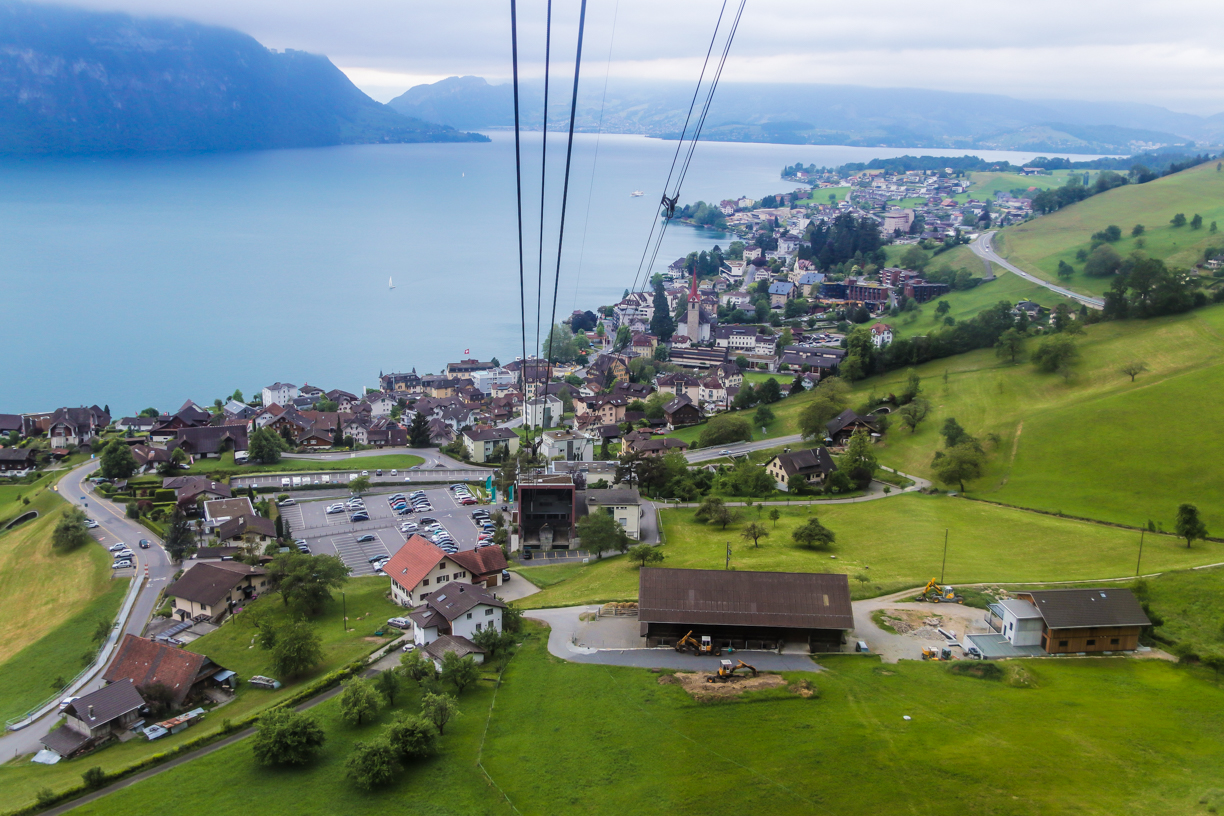
Coming down from Mt. Rigi by cableway
On the way down we get off at Rigi Kaltbad, a mountain
station along the route, and catch the steep Rigi Kaltbad Aerial Cableway car.
In less than 10 minutes, we reach the lakeside town of Weggis. Soon we are
cruising back to Lucerne. Despite the cloud, we have enjoyed the experience very
much and would recommend it to anyone.
IF YOU GO
There are many international flights to Zurich, Switzerland
then there are regular trains from Zurich airport to Lucerne, bus connections
twice a day, or you can travel by taxi.
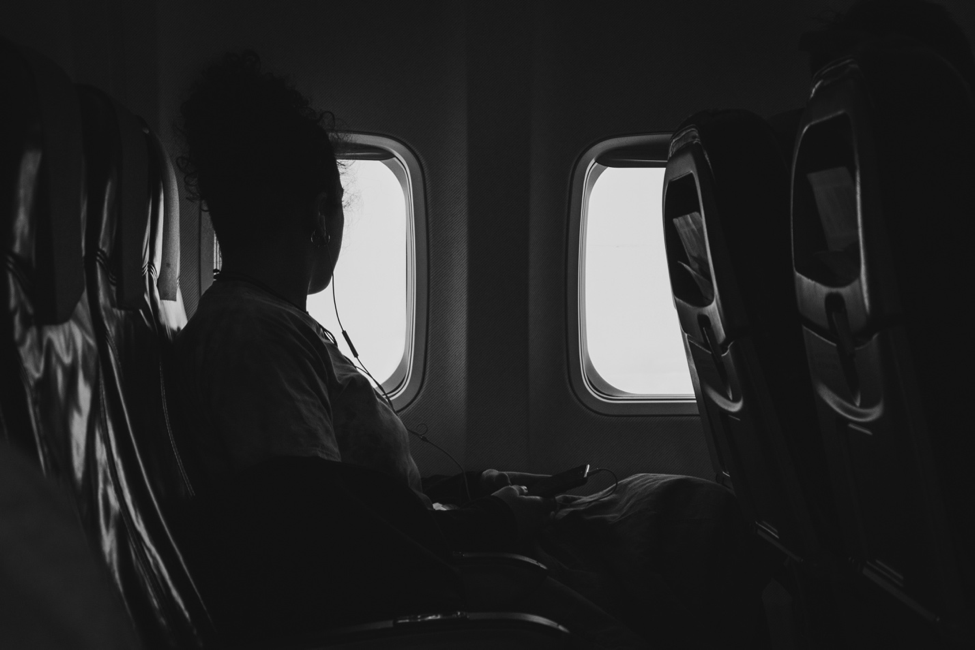
Air travel is taxing on the body even
on the best of days. What happens to your well-being onboard an airplane isn’t
always pretty. A combination of cramped spaces, pressure changes, low-humidity,
and higher exposure to germs make it much easier to fall ill while you’re on
the move. Travelers on long-haul flights may experience strange sensations,
dehydration, and difficulty falling asleep — a recipe for vacation disaster.
So before you navigate
through the TSA Checkpoint and hop aboard your next marathon flight, learn
some of the effects of long flight travel on your health. With a few simple
tricks, you can combat some of the top culprits that can ruin your
holiday plans. Luckily, a little bit of prevention can go a long way for
frequent fliers!
Problem
1: Slow Circulation
Poor circulation is one of the most common health problems
air travellers experience on a long distance flight. With only a few inches of
space in front of your knees, keeping the blood flowing on board is difficult.
For travellers who fly more than four hours, the chance of developing a blood
clot increases. The risks are even higher for certain groups of travellers:
women on birth control, travellers who have undergone recent surgery, or senior
citizens are especially at risk.
Sitting with feet flat on the floor for
hours on end can lead to the blood pooling in your veins and cause problems
like deep-vein thrombosis.
Solution:
Swollen feet and lower limbs can be prevented by
following these helpful in-flight routines:
On longer flights, get up and
move around at least every two hours.
Step aboard armed with compression socks to help promote circulation
and keep your feet feeling fresh.
Drink plenty of water and wear
loose clothing during the flight.
Other on-board techniques like the
“flex and point” exercise can help your feet stay active, even in a stationary
position. It’s simple: point your toes like a ballerina and then flex them
back. Repeating something as simple as this while you sit in turbulence can
decrease the symptoms of poor circulation.
Problem
2: Catching Colds
Another unwelcome result of air travel
is the increased likelihood of catching a common cold. Studies
show that your likelihood of catching a cold after air travel increases
drastically. With so many passengers huddled together in close quarters, all
the sniffling, coughing and wheezing is hard to avoid.
Solution:
Come prepared with some immunity-boosting supplies
and prepare to take a few preventative measures en route.
Make sure to put a small
container of hand sanitizer in your carry-on luggage.
Stock up on daily vitamins
before, during, and after travel.
Keep your distance when you
can. There’s no need to rush into that crowd ready to disembark if you don’t
have to!
Another useful trick? Keep baby wipes
on hand and wipe down that airplane tray before you put food on it. Avoid
touching surfaces that you don’t need to touch. Other common sense rules go
without saying: wash your hands frequently, eat healthy meals full of fruits
and vegetables, and get plenty of rest.
Problem
3: Sleep Disruption
Speaking of getting plenty of rest, sleep disruption is another health-risk that
you can definitely avoid when you travel. Being tired or jet-lagged can
decrease your immunity meaning that making sure you feel well rested makes for
a more pleasant (and healthy!) journey.
Solution:
There are a few simple steps you can follow to help
enhance your sleep on a plane.
Grab a few comfort items such
as a compact travel pillow, cosy travel
wrap, or warm slippers.
Make sure you invest in some noise-cancelling headphones. Prepare yourself
with some relaxing music to accompany the flight.
Try natural supplements like
melatonin to get you in the mood for rest.
Sometimes, it’s worth planning ahead
and thinking about your seating. If paying a bit more for a choice seat or
extra leg room will help you rest, the investment will pay off when you feel
more refreshed upon arrival.
Problem
4: Dehydration
Drinking enough water before take-off
is tricky business. It’s hard to find the middle ground between drinking too
much water and having to get up out of tight quarters multiple times to use the
restroom (and expose yourself to more germs!).
Solution:
Our best advice is to begin your hydration process
a few days before.
Reduce or avoid coffee and
alcohol altogether.
Find portable
drinkware that is functional and clips to your backpack or carry-on.
Before take-off, grab a bottle
of coconut water.
If you’re worried about bringing your
full bottle of water through security — don’t. There is always a dumping
station nearby, and you can always refill your water on the other side. Don’t
forget to hydrate your skin too. Marula
oil is a multi-purpose product that works wonders to combat that dry
and flakey feeling in the air and can be used to smooth hair frizz as well, and
Korean sheet masks
are also great to carry onboard, and will keep your skin feeling fresh and
hydrated while being mess-free.
Problem
5: Pressure Changes
That ear-popping feeling is all too common amongst travellers.
Although it’s more of an annoyance, air pressure changes can really have an
impact on your health. Gas expands at high altitudes, so if you’re feeling a
bit more bloated than normal, it’s not just in your head.
Solution:
Here are some things to avoid and keep in mind
before you fly.
It’s best not to indulge in
that huge buffet before departure. Stick to lighter meals instead.
Keep some gum on hand to combat
that annoying popping in your ear.
Avoid carbonated drinks and
stick to plain water.
Air travellers have also reported
feeling sore teeth while traveling which is the result of your fillings
expanding at higher altitudes. All the more reason to make sure you have some
great movies on standby or other onboard entertainment to distract you from all
those weird feelings linked to pressure changes!
Despite the health risks of a long-haul
flight, cross-country travel is now becoming more common and more economical
for travellers. With the world’s longest flight now taking almost 19 hours
(from Singapore to New York City), learning how to combat the
effects of a long-haul flight is now more important than ever. Prepare yourself
today for your next trip!
The little nostalgic steam engine huffs and puffs its way up the
steep track as we leave the lakeside village of St. Wolfgang in Austria. We are
bound for the Schafberg Mountain and our carriage is full of expectant and
excited people. The joy of travelling in toy mountain trains is unexplainable
in words but we all feel it. This is a real adventure.
The steepest, steam cog-railway in Austria
has been ascending this mountain since 1893. It takes 35 minutes to reach the
summit, climbing 1,190 metres over 5.85 kilometres. Along the way we pass
through forest, rocky terrain and rolling grassland. The views are magical but
many of the passengers are concentrating on the little locomotive as it
struggles up the track with the help of its cog drive.
The two original cog railway’s steam
engines count amongst the oldest working engines in the world as they were built in 1893 and 1892. In 1992,
four modern locomotives were built that operate their steam engines with
diesel. Older diesel engine locomotives from the 1960s are kept and maintained
for emergencies and there are two modern diesel
locomotives.
The Schafbergbahn featured in the Sound of Music movie and it is a highly
popular day-trip destination among both locals and tourists. The view from the summit (1,783 m) is the most spectacular in this
world-famous region. On a clear day there is a 360 degree panoramic view over
the glittering lakes and across the mountains into Germany. All around, the
mountains soar majestically, and you have this feeling of being on top of the
world.
The rail terminal at the top of the
mountain is close to a hotel and several restaurants and it is surrounded by
rocky walking paths that test your fitness. Train tickets to the top are
purchased for a specific up-hill train, and we learned there is heavy demand
for mid-morning departures. For the best views, sit on the left-hand side of
the train on the way up and the right-hand side on the way down. You need to
book your return journey time once you reach the top.
The construction
of the Schafbergbahn dates back to the late 19th century. At that time Viennese
aristocrats wanted to spend the summer in the mountains. The railway network had
been rapidly developed and an early form of tourism to accommodate the visitors
became an important source of income for many locals.
A consortium of investors funded the
construction of the mountain railway in 1893. Financial difficulties forced the
owners to sell in 1932 then in 1938, it became the property of Nazi-Germany′s
Reichsbahn and later of the Austrian National Railway ÖBB. Finally, the
Schafbergbahn was sold again in 2006. Since then, it has been owned by the
Salzburg AG company and it is operated in association with the boats that
cruise Lake Wolfgangsee.
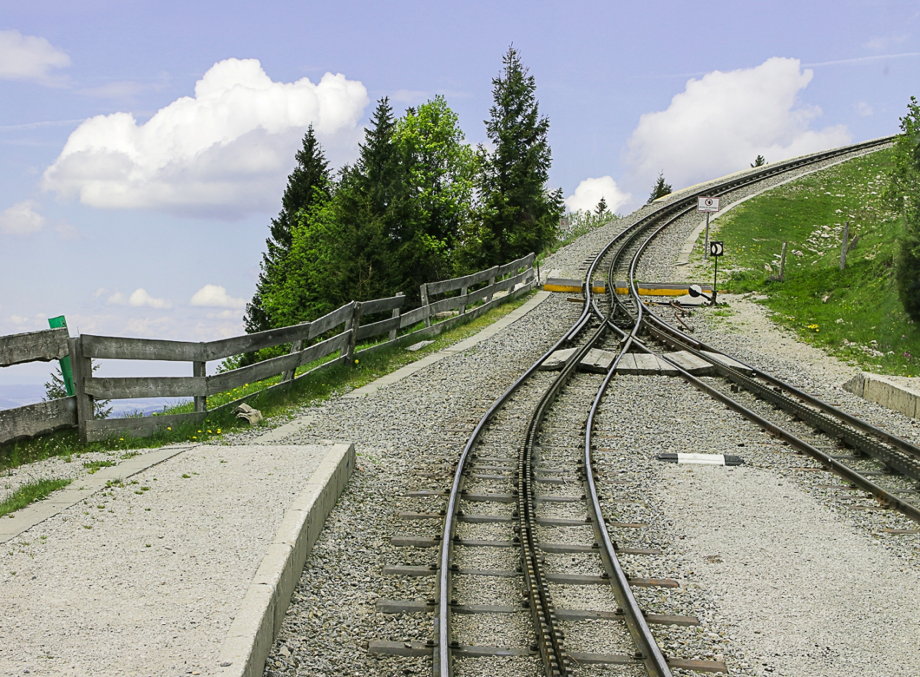
The way down is no less exciting as the
engine struggles to control the rate of descent on the steep track. At one
point we stop to allow another train to pass and see the train guard feverishly
operating the points before we proceed. Finally, it is back to level ground and
on to our next adventure.
Hallstatt is some 35 kilometres away. Some regard this as the most beautiful
village in the world. The Chinese were so impressed that they produced a
replica of it in Guangdong but thousands still flock here to see the original.
It is difficult not to be impressed by the real UNESCO-listed version.
From the market square which hosts summer
concerts and the Christmas Market, you are just a short walk away from one of
the most beautiful photo points in Europe. But it is also the romantic
alleyways, cosy cafés, delightful churches and the numerous little souvenir
shops that make this place so appealing.
The charnel house or ‘Bone House’ in St. Michael’s
Chapel with its unusual collection of over 600 artistically painted skulls is
one of the more interesting tourist sites. Because of restricted land area,
when an existing grave was reused for a new burial, the old skull or bones were
transferred from the grave to the charnel house as part of a second funeral.
The World Heritage Museum is another
attraction. Multimedia technology takes you back 7,000 years to the beginnings
of this ancient salt mining town. With 3D glasses, you can immerse yourself in
the history of old Hallstatt and learn trivia from the beginning of human
presence to the elevation of the region to its World Heritage status.
People have been mining salt above
Hallstatt for thousands of years and a visit to the mine can be a great
experience. You reach it by funicular then enjoy a miner’s slide, a
subterranean salt lake and an exciting trip on the mining railway. While here,
take a small detour to the Hallstatt Sky Walk. This spectacular viewing
platform sits high above the village and offers an idyllic panoramic view of
Lake Hallstatt and breathtaking alpine landscape.
Electric boat driving is one of the most
popular pastimes on Lake Hallstatt. The fresh air and the beautiful nature of
the fjord-like lake combine to provide a relaxing experience. You can either
captain the boat yourself or take an experienced driver who will take you to
the most beautiful parts of the lake.
Available space is in short supply making
parking in the village a problem, so the village centre is traffic free during
the daytime and visitors must park in several car parks nearby. These are
within walking distance of all attractions but space is limited and we see
late-comers having to queue for spaces as others leave. If you plan to visit,
arrive before 9am if possible.
There are flights from around the world to
Vienna, the capital of Austria. Hallstatt and the Schafbergbahn are about 300 kilometres west and are
reachable by rental car or train.
Indonesia is known to be one of the most beautiful and diverse places on earth. Although it has many features worthy of visiting, the first thing that comes to mind when you think about Indonesia as a travel destination is Bali. Bali is an island that has everything: sandy beaches, mighty volcanoes, rainforests, beautiful rice terraces, amazing culture and friendly, smiling people that are truly happy to have you as their guests. Yes, Bali is the perfect destination to visit. But there are some things you need to know before you pack your things and go.
Choose your season carefully
There are two seasons on Bali – dry season from April till October and a rainy season from November till March. The dry season is when most tourists visit Bali. The most crowded months are Jun, July and August (and most expensive). The rainy season has its charm as well. Although it would rain heavily most of the days it can also be perfect for enjoying the beauty of waterfalls which are exceptionally breathtaking this time of the year.
Be careful what you pay for
Although your staying in Bali will prove to be rather cheap there are still some things you have to pay attention to. Your first encounter with Bali upon arrival at the airport would be finding transportation to your residence. There will be many taxi drivers offering their services but do resist. They can charge you twice as much as normal price for the ride. Instead, go to the official taxi counter. You can pay upfront the official price at the counter. It goes for everything in Bali. Always try to use public transportation (whether it is a bus or a boat) as they have official rates and are almost twice cheaper than others.
Choosing a residence
Bali offers you a great variety of places to stay. From classy hotels, luxurious villas, cheaper hostels to private residences. A hotel can offer you many contents, but if you are more for a quiet luxury of your own place it is better to rent a villa. There are many beautiful Bali accommodation to rent that is suited at the beachfront with breathtaking swimming pools and wonderfully arranged spaces for your leisure and enjoyment. You will have an advantage of making your own plans, prepare your own food, and many other things. You can always find accommodation with your own standards in Bali.
Food
One thing is for sure – you won’t starve in Bali. There is a great choice of restaurants and variety of food you can choose from. Local cuisine is exquisite, but if you are in for something less exotic you can find great choice of western dishes, vegetarian or vegan food. Do bear in mind that all places have a certain dress code and you can’t go to a restaurant wearing only your swimming suit, your shoulders and knees have to be covered (especially if you are a woman).
Culture
Culture is everywhere in Bali, where ever you look. Religion is a very big part of the culture here and you need to be respectful when religion is in question. Be quiet bystander during ceremonies and obey rules when visiting temples. Also be careful not to step on prayer offerings to gods that can be found anywhere in form of woven baskets with flowers or banana leaves squares with small portions of rice on them. Make sure your shoulders and knees are always covered.
If you prepare your travel to Bali upfront and do your homework right, you will find your stay there an adventure of a lifetime and you may find yourself returning there many times to explore Bali some more.
Tokyo, an exotic oriental oasis known for its modern skyline, ancient (literally) history and vibrant culture. When planning a trip to such a locale, it’s overwhelming to decide what to take in during your stay. It has enough restaurants, stores and attractions to keep you busy for weeks, but which should you take in?
Look no further than this list of a few of Tokyo’s must-see amenities.
Food
When you think of Japanese food, you might assume it’s all variations on sushi and nothing more. You couldn’t be more wrong. Tokyo’s cuisine is unlike any other. In addition to having an acute attention to detail, the amount of options when it comes to food is nothing short of overwhelming. There’s something for everyone, whether you want to spend $10 or $100. Some of the best places are found in the large food courts found beneath shopping centers. These expansive dining rooms have seemingly endless options.
If you’re looking for something a little nicer, check out the restaurant that was made famous in the movie Kill Bill, Gonpachi Nishiazabu. In the movie, Uma Thurmond’s character killed several underground criminals in this restaurant. Unfortunately, Gonpachi Nishiazabu wasn’t actually in the movie, but after director Quentin Tarantino visited the restaurant, he made an exact replica of its dining room to film the scene in Hollywood.
Pop culture aside, the food at Gonpachi Nishiazabu is really quite good. It has many options for more adventurous eaters and the portions are surprisingly shareable.
Public Transit
Did you know that Tokyo has the world’s busiest subway system? Every day, more than six million people use this public transit system. The sheer volume of riders is intimidating, but don’t let that stop you from experiencing this innovative mode of transportation. Although very busy, the subway system is sprawling. It’s 14 lines cover 882 stations, all of which run quickly and with little error. Stations can be chaotic, but the trains are known for being clean, comfortable and, most importantly, timely.
If you need a break from the hustle and bustle of Tokyo, take the bullet (“shinkansen”) train to Kyoto for some fresh air. On your way, enjoy the stunning views of Mount Fuji. Please note that train etiquette is very important. Line up in an orderly fashion with the other riders and do not use your time on the train to talk on the phone, eat or hold loud conversations. When in doubt, do as the Japanese do.
Nightlife
This might surprise you, but the after-hours scene is Tokyo is nuts. There is so much to do and only so many hours of the night! Karaoke bars are one of the most popular places to visit, but there are dance clubs and cocktail bars, and a surprising amount of strip clubs.
If nightlife is your thing, check out the Roppongi district. Here, you will find the who’s who of models, foreigners, celebrities and young locals. They gather in Roppongi to drink, dance and date. It’s a busy place, but if you don’t mind the crowds and are willing to pay cover charges, then it’s worth a visit.
Consider a Tokyo hotel in Roppongi to make your walk home after a night of partying a little easier.
Fireworks
Really, fireworks? Yes, really. Granted, fireworks are detonated in nearly every other part of the world, but not like in Tokyo. You may not realize this, but fireworks are a major part of Japanese culture. They have been using fireworks to celebrate for centuries and, as a result, have hundreds of incredible firework shows throughout the year. These shows typically take place in summer, but that doesn’t keep them from creating elaborate displays to celebrate the new year and cherry blossoms.
Kabuki Theater
Going to a Kabuki show is a true Japanese experience. These plays, which began in the 1600’s, are typically dramas performed by all men. They paint their faces bright white and apply colorful makeup. In some cases, they wear detailed masks.
During the play, the actors use dance, mime and music to tell their stories. This style of expression is truly unique to Japanese culture and was recently added to the UNESCO Representative List of the Intangible Cultural Heritage of Humanity.
Cherry Blossoms (Sakura)
Every spring, millions of cherry blossoms bloom on thousands of trees that line Tokyo’s rivers, streets and parks. The unspeakable beauty of the cherry blossoms is fleeting—they’re usually in bloom the last week of March and the first week of April. If you want to see them, plan your trip well in advance.
Tokyo is a magical, surprising place. It is home to one of the oldest civilizations in the world, yet it’s modern amenities and entertainment are entrapping. This city has so much to offer, far beyond what was covered on this list, and is a must-visit for any curious traveler.
Most visitors to Japan, straight out go to cities like Tokyo, Kyoto or Osaka, all of which are considered prime tourist hotspots. Locations like Himeji Castle, Tokyo Imperial Palace and, of course, Mount Fuji are usually at the very top of the list. However, why restrict yourself to these common tourist destinations when you can get so much more out of your tour. With that in mind and without further ado, here are top six under-the-radar hidden gems of Japan.
Otagi Nenbutsu-ji
History lovers are bound to visit Otagi Nenbutsu-ji, which is a smaller, lesser known relative of the Chinese Terracotta Army. Why? Well because the temple is surrounded with 1200 small Buddhist statues, each completely unique. One way to look at this is to call it the ancient garden gnome decoration plan taken to the extreme.
Umimirai Library
For any book nerd out there, a visit to the Umimirai Library in the city of Kanazawa should be a most definite must. This giant library is also an architectural wonder, which would, on its own, make it worthy of a visit. The very purpose of this place is to encourage you to stay and read in the library, instead of just borrowing a book to read back in your hotel room. In other words, this can customize your reading experience, making it much more unique.
Nozawa Onsen
Skiing and snowboarding fans have to acknowledge the fact that Japan is home to one of the oldest ski resorts, famous Nozawa Onsen. The hot springs beneath this place were discovered as early as 8th century. One of the most unique things about the place is the steam that can’t be contained by the thin surface layer, which makes it visible in all the streets, giving the place an even more mystical look to it. Some Japan snow packages offer everything from flight and accommodation in Nozawa to lift passes and guides, which makes them particularly appealing.
Zao Fox Village
If you ever wanted to have a pet fox, in Zao Fox Village you can come as close to this as possible without putting your life in danger. Here, you can get a privilege of mingling with (almost) domesticated Japanese red foxes, which you can even pet and feed. You can get appropriate snacks there, on spot for as little as $1.20. Keep in mind, however, that you still shouldn’t feed them by hand.
Kumano Kodo trail
For people who are interested in Shinto-Buddhism hybrid of Shugendo, Kumano Kodo trail is one of the first places they should visit. While this place is neglected since the Meiji Restoration, in the past it was one of the most important pilgrimage trails in the whole of Japan. The entire trip can be taken in a couple of days, and it is really an ultimate hiking experience.
Island of Yakushima
Those who want to see what Japan looked like before the civilization and urbanization reached its shores, should definitely visit the island of Yakushima. Its cedar forests amongst the most beautiful in the world and the western shore of the island is a home to some of the most beautiful waterfalls there are. All in all, it’s an incredible place definitely worth paying a visit to.
In conclusion
The main reason for writing this article in the first place was to remind everyone just how much fun can straying off course actually be. The best part comes from the cognition of how easy it would be to miss out on all of this and encourage you to customize tours you take in the future, as well.
Foodlovers, have you ever visited Ubud Bali, Indonesia? Not yet? Wow, where have you been? Just kidding! Bali is well known as the beautiful place and island. You can visit Bali anytime and you will never feel bored. Some people comments about Bali: where every day is a holiday. You can find anything from the top to toe. Bali is a lovable island that still keeps their tradition well and they want to show to the tourism that Bali is unique and culture very well. That is the reason why people in Bali always wear their traditional clothes and they still follow their religion and trust in their daily life activities. Once you visit Bali and you will never want to go away from this place. Besides the beautiful scenery, you can also find so many delicious foods.
What kind of food can you find there? Too many. “Ayam Betutu”, “Lawar Kuwir”, “Serombotan”, “Nasi Jinggo”, “Nasi Tepeng”, “Sate Lilit”, you name it. If you love to eat traditional food in Bali then you can visit Ubud. Ubud is well known as the tourism village that will show you the green and fresh air. You can find many traditional villas with nature atmosphere, no one that can stay away from this homey place. In Ubud Bali, you can also taste the delicious food such as duck and prawn. They have a good place named “Desa Wisata Bebek Mebaris” (nickname: “Dewi Bebaris”). You should visit that village and feel the taste of the best duck and the great prawn that ever been! Dewi Bebaris is the culinary spot in Ubud that really famous. Many tourists from around the world and place in Indonesia that come to Bali also visit that village just to eat.
What would you find over there? In Dewi Bebaris, you will find “Bale Udang”, “Bebek Raja” and other restaurants inside that you should not be missed. Besides that, you can also find the outdoor activities that you can enjoy together with your family or partners. If you want to update your Instagram by taking some pictures or just get your relax time, then you should go there. Too many instragramable spots that you should try. Including the duck show. You may not find the other duck show on other places in Bali or even at your hometown.
Missing the traditional feeling that full of rice field? Why don’t visit this tourism village? You can even try to feed the duck and have good interaction with them. The staff also gives the guests who come here with good hospitality as their service. If you come to Bale Udang you can try to eat Fried Flying Gourami Fish, Honey Grilled Prawn, and Fried Roll Fermented Cassava. All of those three foods are special. They give their special recipe so that the ingredients can absorb well to the inside. When you visit the Bebek Raja restaurant then you can eat Fried Crispy Duck and “Bebek Lalah Ubud“. Special menu from this restaurant is all about duck. They can cook the duck with good style and make the taste become so unique, delicious and melted on your mouth. All of the meals that they have are delicious. One is never enough to satisfy your hunger.
Fried Flying Gourami Fish
Honey Grilled Prawn
Full of meals? Then try to play some games for your refreshing childhood moment. Desa Wisata Bebek Mebaris also has traditional games originally from Indonesia. The place is located at “Kebun Pisang”. You can just ask their staff when you want to play it. They have “Enggrang”, “Bakiak” and others traditional games. You can try to play them outdoor and on the playground of Kebun Pisang.
Fried Roll Fermented Cassava
For their opening hours, you can come from 11 AM to 11 PM every day. For the big spaces then you can order first to their service so that they can prepare for the spot special for you. On Sunday they also have fun day theme. Enjoy the outdoor picnic on Kebun Pisang in between eating your meal or chit-chat with your beloved one. Don’t miss to try special package, Bebek Raja, that consist of three different menus such as Fried Duck package, Lalah Duck package and also Timbungan Duck package. Just grab every single promo that they have. If you love to stay out the door; then they also give live music performance. Enjoy the sounds of the fresh air on the green grass there.
Fried Crispy Duck
Bebek Lalah Ubud
Today, finding the green and natural place like on homey village become a rare thing but you can find all here. You don’t need to walk away to enjoy all the things you need. You can stay in the good village with choose of type. You can play on the playground with the fresh water. You can walk on the rice field and get the fresh air every single day. Your holiday will never enough at Ubud Bali. And of course, don’t forget to try their best snack for your tea time. Each of them is delicious and made with love. When you come here, do not just let anything disturb you. If you always feel busy with your job and do not have free time then you should come here for your relaxing moment. You can get back your energy. Remember that the holiday is not only about the mall and shopping only. You need to give good energy to your soul.
Desa Wisata Bebek Mebaris is such a great choice to enjoy Bali. After eating the choice of food there then you can travel around Ubud. Just make sure you bring your sweater because the weather is cold enough. You can enjoy driving the traditional boat and enjoying the natural river there. No one that can change the sophistication feeling with the money while staying there. Bali is everything that you need to visit. The best time to visit this place is in your free time. You may feel crowded at weekend but when you book first then there will always available free space for you to sit. Play the water and enjoy the relaxing moment with your beloved one will be so precious.
Location:
Desa Wisata Bebek Mebaris (Dewi Bebaris)
Jalan Raya Goa Gajah, Peliatan, Ubud, Peliatan, Ubud, Kabupaten Gianyar, Bali 80582, Indonesia