All posts by Len Rutledge

Len Rutledge has been travel writing for 40 years. During that time he has written thousands of newspaper articles, numerous magazine pieces, more than a thousand web reviews and around 35 travel guide books. He has worked with Pelican Publishing, Viking Penguin, Berlitz, the Rough Guide, and the Nile Guide amongst others. Along the way, he has started a newspaper, a travel magazine, a Visitor and TV Guide, and completed a PhD in tourism. His travels have taken him to more than 100 countries and his writings have collected a PATA award, an ASEAN award, an IgoUgo Hall of Fame award, and other recognition. He is the author of the Experience Guidebook series which currently includes Experience Thailand, Experience Norway, Experience Northern Italy, Experience Myanmar, Experience Istanbul, Experience Singapore, Experience Melbourne, and Experience Ireland. They are available as ebooks or paperbacks from amazon.com

Up and Down in Southern Austria

Words: Len Rutledge  Images: Phensri Rutledge

The little nostalgic steam engine huffs and puffs its way up the steep track as we leave the lakeside village of St. Wolfgang in Austria. We are bound for the Schafberg Mountain and our carriage is full of expectant and excited people. The joy of travelling in toy mountain trains is unexplainable in words but we all feel it. This is a real adventure.
austria

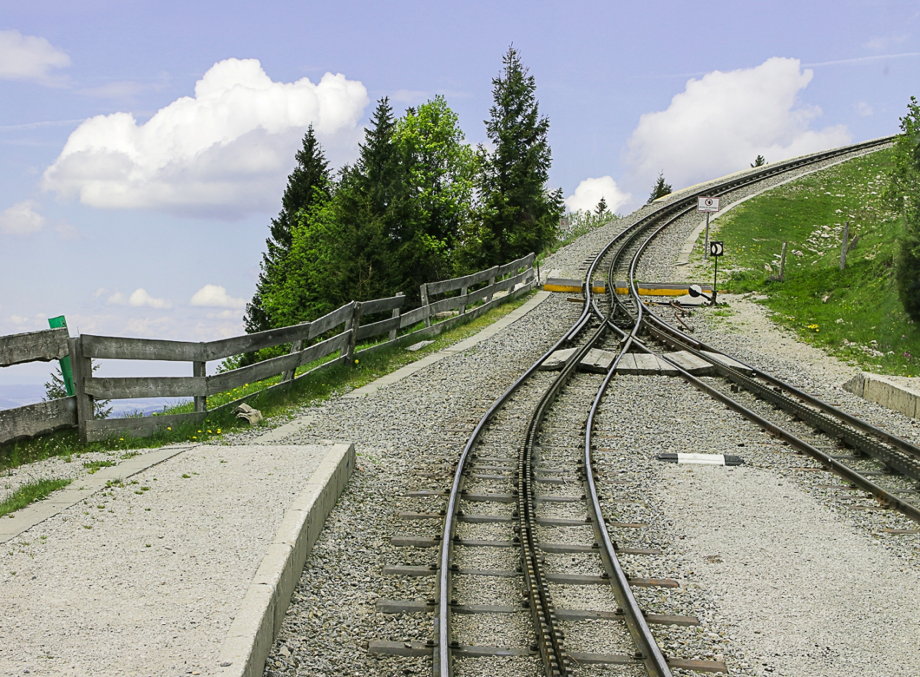
The steepest, steam cog-railway in Austria has been ascending this mountain since 1893. It takes 35 minutes to reach the summit, climbing 1,190 metres over 5.85 kilometres. Along the way we pass through forest, rocky terrain and rolling grassland. The views are magical but many of the passengers are concentrating on the little locomotive as it struggles up the track with the help of its cog drive.

The two original cog railway’s steam engines count amongst the oldest working engines in the world as they were built in 1893 and 1892. In 1992, four modern locomotives were built that operate their steam engines with diesel. Older diesel engine locomotives from the 1960s are kept and maintained for emergencies and there are two modern diesel locomotives.

The Schafbergbahn featured in the Sound of Music movie and it is a highly popular day-trip destination among both locals and tourists. The view from the summit (1,783 m) is the most spectacular in this world-famous region. On a clear day there is a 360 degree panoramic view over the glittering lakes and across the mountains into Germany. All around, the mountains soar majestically, and you have this feeling of being on top of the world.

The rail terminal at the top of the mountain is close to a hotel and several restaurants and it is surrounded by rocky walking paths that test your fitness. Train tickets to the top are purchased for a specific up-hill train, and we learned there is heavy demand for mid-morning departures. For the best views, sit on the left-hand side of the train on the way up and the right-hand side on the way down. You need to book your return journey time once you reach the top.

The construction of the Schafbergbahn dates back to the late 19th century. At that time Viennese aristocrats wanted to spend the summer in the mountains. The railway network had been rapidly developed and an early form of tourism to accommodate the visitors became an important source of income for many locals.

A consortium of investors funded the construction of the mountain railway in 1893. Financial difficulties forced the owners to sell in 1932 then in 1938, it became the property of Nazi-Germany′s Reichsbahn and later of the Austrian National Railway ÖBB. Finally, the Schafbergbahn was sold again in 2006. Since then, it has been owned by the Salzburg AG company and it is operated in association with the boats that cruise Lake Wolfgangsee.

The way down is no less exciting as the engine struggles to control the rate of descent on the steep track. At one point we stop to allow another train to pass and see the train guard feverishly operating the points before we proceed. Finally, it is back to level ground and on to our next adventure.

Hallstatt is some 35 kilometres away. Some regard this as the most beautiful village in the world. The Chinese were so impressed that they produced a replica of it in Guangdong but thousands still flock here to see the original. It is difficult not to be impressed by the real UNESCO-listed version.

From the market square which hosts summer concerts and the Christmas Market, you are just a short walk away from one of the most beautiful photo points in Europe. But it is also the romantic alleyways, cosy cafés, delightful churches and the numerous little souvenir shops that make this place so appealing.

The charnel house or ‘Bone House’ in St. Michael’s Chapel with its unusual collection of over 600 artistically painted skulls is one of the more interesting tourist sites. Because of restricted land area, when an existing grave was reused for a new burial, the old skull or bones were transferred from the grave to the charnel house as part of a second funeral.

The World Heritage Museum is another attraction. Multimedia technology takes you back 7,000 years to the beginnings of this ancient salt mining town. With 3D glasses, you can immerse yourself in the history of old Hallstatt and learn trivia from the beginning of human presence to the elevation of the region to its World Heritage status.

People have been mining salt above Hallstatt for thousands of years and a visit to the mine can be a great experience. You reach it by funicular then enjoy a miner’s slide, a subterranean salt lake and an exciting trip on the mining railway. While here, take a small detour to the Hallstatt Sky Walk. This spectacular viewing platform sits high above the village and offers an idyllic panoramic view of Lake Hallstatt and breathtaking alpine landscape.

Electric boat driving is one of the most popular pastimes on Lake Hallstatt. The fresh air and the beautiful nature of the fjord-like lake combine to provide a relaxing experience. You can either captain the boat yourself or take an experienced driver who will take you to the most beautiful parts of the lake.

Available space is in short supply making parking in the village a problem, so the village centre is traffic free during the daytime and visitors must park in several car parks nearby. These are within walking distance of all attractions but space is limited and we see late-comers having to queue for spaces as others leave. If you plan to visit, arrive before 9am if possible.

www.LenRutledge.com

If You Go:

There are flights from around the world to Vienna, the capital of Austria. Hallstatt and the Schafbergbahn are about 300 kilometres west and are reachable by rental car or train.

Würzburg has that winning combination

Words: Len Rutledge  Images: Phensri Rutledge

Three Irish missionary monks visited Würzburg in A.D. 686 to Christianize the local ‘barbarians’. The inhospitable locals beheaded them. Fortunately, we find the citizens are much friendlier today, and we also discover there are many things to do, great places to see, and excellent wine and food to enjoy.

Würzburg, at the northern end of Germany’s Romantic Road, has much history, culture, rich cuisine, religious landmarks, and idyllic scenery. It is a great place to visit and the bonus is you can walk between most sites.

Residenz

We start our sightseeing at the majestic UNESCO World Heritage listed 400-room Residenz, one of the most important Baroque palaces in Europe. Unlike many other huge buildings, it was built in a short period of time and was completed in 1780. The building includes a much-acclaimed staircase and awe-inspiring frescos.

We are told that Napoleon Bonaparte slept here for one night in 1812 en route to his unsuccessful invasion of Russia. It is a place we must see. We visit by a self-guided walking tour but there is also a guided tour which allows access to some of the rooms you can’t visit by yourself.

Don’t miss the on-site church. After the walls were completed, a group of court artists created what is one of the most decorative churches you will ever see.

The palace grounds are considered some of the most impressive Rococo gardens in Germany. There is an artificial lake including fountains and some beautifully carved sculptures. There’s a wonderful symmetry that can be appreciated from the higher ground.

Old Town

It is not far from here to the Old Town. Our first stop is at the scenic Market Square, where a daily bustling food and flower market is in full swing. Overlooking the square stands St Mary’s Chapel (Marienkapelle) with its spire 70 metres into the sky. The striking red-and-white facade of the Gothic church is considered the most important building from that era in the city.

Most of Würzburg’s old city is a pedestrian zone so it’s a great place to walk. When you have done enough of that, pull up a chair at a sidewalk café for some people and tram watching.

The construction of Würzburg Cathedral with its twin towers began in 1040 and went on for nearly 200 years. Today, it is the fourth largest Romanesque church in Germany. It is one of the city’s most important landmarks and can be seen from almost everywhere. The interior is fresh after a renovation and is well worth a visit.

The old Würzburg Town Hall sits on Domstrasse between the old bridge and the cathedral. It is a complex of buildings of different periods. The tower dates from the early 1200s and another part of the building is the only surviving secular building in Würzburg that was built in the Romanesque style.

Marienberg Fortress

The old Main Bridge from 1120 spans the river of the same name and is considered the oldest stone bridge in Germany. It connects the old town with the nearby Marienberg Fortress. In 1730, the bridge was further decorated with twelve statues of saints and emperors.

The Fortress, towering over the city and surrounded by vineyards, was began in 704 AD. It was originally a church then the building was expanded in the Renaissance and Baroque periods with the addition of fortifications. For nearly five centuries it served as a home to the local prince-bishops.

Today, the Marienberg Fortress houses the Franconian Museum. You can visit the museum and see the rooms with their period furniture, tapestries and paintings but most people come for the views. Würzburg is surrounded by vineyards cascading down the slopes on both sides of the river and it’s easy to see why this is a good wine producing area. Perched on top of a nearby hill sits the Kappele Church with its onion-domed towers.

Sleeping, eating, and drinking

Don’t miss the opportunity of having a hearty Franconian meal and tasting some of the local wines. A good place to indulge in German regional specialties is The Bürgerspital wine estate restaurant. You can also take a tour through the estate’s famous wine cellar. The best city restaurant is probably the one-Michelin-starred KUNO 1408. It has created its own particular variation on the Franconian theme.

Germany appears to have no restrictions against drinking in public, so apart from drinking in bars you can buy your own bottle of wine or beer and sit on the old bridge enjoying the view.

Würzburg is a great stop either before or after your Romantic Road tour because it has many hotels, inns and B&Bs, including a number of excellent hotels in the Old Town.

www.LenRutledge.com

Dubai is a very worthwhile stopover

Words: Len Rutledge   Pictures: Phensri Rutledge

Many travellers are finding themselves in Dubai as it emerges as a major airport hub for flights between Asia, Europe and Africa. Most continue on their journey without stopping but in doing so they miss out on one of the highlights of the region.

Dubai is both a city and one of seven emirates that make up the country of United Arab Emirates. Dubai City in recent years has developed into a global metropolis and a great cultural experience for most visitors.

The city has attracted world attention for its skyscrapers, artificial islands, huge construction projects and world-class shopping malls. What many visitors don’t understand is that all this has happened in a desert which just happens to be by the sea.

In summer you will notice the heat, so be prepared. During this period the average high is 42 degrees and the overnight low is 29 degrees. When we last visited the mercury hit 45 degrees. The short winter is better with highs of 23 and lows of 14.

Hotel choice starts with the Burj Al Arab Hotel built on an artificial island and goes way down to small rooms with little more than a bed. Most of us will decide the US$1225 +10% + 10% rate per night at the Burj Al Arab is too high. Fortunately, you can find reasonable 3-4 star accommodation for around US$100.

dubai

Half-day tours cost around US$30 but by paying a little more my wife and I managed a personalised tour in a limousine and this let us set our own itinerary and stop where we wanted.

We visited Dubai Creek and saw the traditional dhows, Dubai Fort and museum, Jumeirah Mosque, and attractive Jumeirah Beach. Driving out onto the artificial Palm Islands was an unreal experience while Dubai Marina with its surrounding high-rise apartments is a town planners dream.

Dubai is surprisingly spread-out so getting around is not easy. Fortunately, public transport has improved considerably since the opening of the Metro railway system. The driverless trains are easy to use and we quickly learned to move around like locals.

Nothing in Dubai is particularly old but when visiting the souks you seem to travel back in time. This experience is as far removed from the western world as you can get. In the Gold Souk the narrow lanes are lined with shop windows glittering with items in 22 and 24-carat gold. Prices tumbled after haggling and we cheered when they finally reached our budget.

In the Spices Souk, frankincense, turmeric, saffron and the many herbs used in Arabic and South Asian food are on display in a riot of colour. It was fun to talk to the sellers and we were tempted to buy, then we remembered we were travelling across many borders on our trip and decided to just look.

The oldest building in the city is Al Fahidi Fort, now the Dubai Museum. This showed us the traditional way of life in Dubai and it has excellent dioramas and artefacts that go back 5000 years.

A complete contrast is provided by modern Dubai which has a love of all things glitzy and glamorous. The city’s malls have been built as unrestrained fantasy, offering surreal attractions to lure you in.

At the gargantuan Mall of the Emirates, we watched in amazement as hundreds who apparently needed a quick slalom between shopping and hitting the beach took to the indoor ski slope with real snow.

The Dubai Mall with over 1200 shops is the world’s largest shopping mall. We unsuccessfully searched for traditional Dubai cuisine amongst the 120 restaurants and cafes but found just about every other cuisine in the world, 22 movie theatres, an aquarium and an ice rink.

Its biggest attraction for us, however, was the $200million, 275m-long Dubai Fountain which shoots water up to 160m in time with music. Our first experience of this was breathtaking so we returned on three other occasions to see different shows. Don’t miss it.

Also here is Burj Khalifa; at 830m it is the tallest man-made structure in the world. There is an observation deck on the 124th floor but there was a rush for tickets when we were there and several days were entirely sold out, so consider booking ahead.

We enjoyed just a fraction of the things to do in the city; the Wild Wadi Water Park, sailing, sky diving, wind surfing, diving and ballooning all await the next trip. Outside the city, there are desert safaris, camel riding and sand boarding. Short-term visitors will not be disappointed.

www.LenRutledge.com

WHEN YOU GO:

Dubai Airport is on one side of the city so it is quite a distance to many of the beach hotels. Taxis are readily available and the Metro has a stop outside the international terminal.

We stayed near Union Station which is a junction station for the two metro lines and this proved extremely convenient for sightseeing and shopping.

Many passport holders can obtain a free 30-day or 90-day visitor visa on arrival at Dubai International Airport but you need to check before you leave home.

San Juan is not your normal U.S. city

Words: Len Rutledge   Images: Phensri Rutledge

Narrow cobblestone streets, cute little squares with spraying fountains and huge trees, enormous Spanish-built forts and restaurants serving spicy Mexican and Cuban fare are not normal in most North American cities.

But then little about San Juan, Puerto Rico is normal. It is far from what we expected. My scant knowledge of Puerto Rico was strongly influenced by the musical ‘West Side Story” where white and Puerto Rican gangs battle for the streets of a section of New York.

Central square San Juan

I half expected to find knife-wielding gangs on the streets of San Juan. Instead, my wife and I found colourful buildings, delightful architecture, friendly people, and a love for an island that has a unique relationship with the USA. Hurricane Maria caused considerable damage to the island in 2017 but San Juan has bounced back and is again open for visitors.

Is it part of the USA?

Puerto Rico is technically part of the United States. Puerto Ricans are U.S. citizens and make up about 1.3% of the total population of the U.S. They enjoy all the benefits of citizenship, except one: Puerto Ricans who live in Puerto Rico cannot vote for the U.S. President.

But it is not this straight forward. In the Olympic Games, Puerto Rico fields its own athletic team, separate from the USA team. Puerto Ricans don’t file federal income tax returns unless they work for the U.S. government. Bookstores in the U.S. put travel guides to Puerto Rico in their “International Travel” section rather than “Domestic Travel,” where they belong. No wonder we were confused!

Flags flying above the old Spanish fort

Old San Juan

Nearly two million people live in or near San Juan and many of them rarely set foot in Old San Juan. For tourists, it is entirely different. Many visitors see nothing of the wider city except for the drive from the airport to the old city.

Old San Juan lies within a 500-year-old walled citadel that has been declared a UNESCO World Heritage Site. Medieval masonry and cantilevered balconies seem to float above the narrow cobblestone streets below. The streets are perfect for wandering and seem to insist you explore all their secret nooks and crannies.

They are lined with antique iron lampposts, arty shops and souvenir stores. There are pavement cafes in the squares and beautiful old buildings and churches look out to wide views of the ocean. Musicians play on the streets just like in Europe.

Cool courtyards decorated with European flair hide behind the shops and pavement cafes, inviting you to enter. It is more Spanish than many areas of Spain.

Spanish influence

In 1493, Christopher Columbus “discovered” Puerto Rico and claimed it for Spain. Some years later, the Spanish started their colonisation. Puerto Rico’s geographic position at the western edge of the Caribbean made San Juan one of the key frontier outposts of Spain’s West Indies Empire.

The Spanish built a small fort here in 1540 and then constructed the walls that encircled the city in 1634. The work continued into the mid 1700′s when the King of Spain decided to make San Juan virtually unconquerable.

The walls and two massive forts are some of the major attractions today. No visit would be complete without spending time exploring the fortifications and marvelling at the impressive structures. Guided tours are available for those who want them.

The city is surrounded by massive defence walls

Elsewhere in the city the Cathedral, which was commenced in 1521, is worth seeing and there are several museums. The Museum of the Americas is in a wonderfully restored building while the Museum of Art has local works displayed in a building which itself is a work of art. The Casa Blanca Museum showcases life in the 16th and 17th centuries.

Old San Juan is reasonably compact but it is hilly and is usually hot. If you are not comfortable with a lot of walking, there are free trolleys that will take you around the old city.

Eating, shopping and Staying

The area has some excellent restaurants, fast food outlets, markets, shops and several small hotels. The Hotel El Convento is generally considered the best (and most expensive) accommodation but there are several others in charming old buildings with Spanish ambiance.

Souvenir shopping in San Juan is a treat or a nightmare depending on your point of view. The Old City could be one of the most souvenir-clogged areas on the planet but there are some interesting buys amongst the ‘junk’. Iconic vejigante masks are found at numerous shops, hand-carved wooden figurines of saints called santos are unusual buys, and hand-made Panama hats are useful and a great keepsake.

Outside the Old City, Condado hugs the beach to the east and has many similarities to Miami Beach or Australia’s Gold Coast. Here’s where expensive hotels, and the casinos inside many of them, attract night-life-seeking locals and tourists alike.

A final suggestion is to visit the slick Casa Bacardi Visitor Center across San Juan Bay in Cataño. You’ll pass through seven different zones covering both the history of the company and the rum-making process and have a taste of some of the brew. The best part is that it’s all free.

If you go

Getting there: Various airlines fly to San Juan from mainland USA. There are also direct flights from Madrid, some Caribbean islands and a few South American countries.

Visas: Puerto Rico is technically part of the USA so the same visitor requirements apply. You need to organise a travel authorisation or a tourist visa before leaving home.

When to Visit: Puerto Rico is hot between June and September and warm at other times of the year. January to March receives less rain than other months.


www.LenRutledge.com

North Ireland coast

North Ireland coast

Words: Len Rutledge  Images: Phensri Rutledge

Stunning coastline, windswept cliffs, spectacular scenery and fabulous unspoiled beaches are the promise on one of the world’s great road journeys. Unfortunately, all we can see at the moment is fog.

My wife and I are on the Causeway Coastal Route in Northern Ireland with high expectations but so far the results have been disappointing. We have crawled out of Belfast and are now peering through the gloom at Carrickfergus’s well-preserved 12th century Norman Castle.

The road heads north and the weather improves. It’s now inland to the charming village of Glenarm then on through flower-filled Broughshane where Saint Patrick is said to have tended livestock in the 5th century.

Bright sunshine appears on approaching Ballycastle. Our spirits have soared and so too has the scenery. We stop at the Carrick-a-Rede Rope Bridge which traverses a 30-metre deep canyon. I am immediately intimidated, however, despite my fears I make it across, as have salmon fishermen for 350 years.North Ireland coast

We are surprised to discover that the bridge is more than a kilometre from the car park but the walk along the cliff-top path is exhilarating with stunning views across to Rathlin Island. Spring has brought wildflowers and a profusion of bird life.

Rangers control access to the bridge and we are told that sometimes there are considerable delays for the thousands of visitors who want the challenge of the crossing.

It is now on to Northern Ireland’s top natural attraction, the Giant’s Causeway. Apart from the amazing layered basalt columns plunging into the ocean, there are famous legends and colourful folklore associated with the causeway.

The six-sided basalt columns have been formed when molten lava filled a river valley 60 million years ago, then cooled and cracked. The site is now owned by the National Trust there is an excellent Visitor’s Centre.

The area around the causeway is attractive. Grasslands, heath, cliffs, marshes, the rocky shore and the sea provide homes for a wide variety of plants and animals. We see purple orchid flowers, vivid yellow gorse, colourful stonechats, petrels and peregrine falcons.

The tourism development manager tells us how the causeway is made up of three promontories with one curving gently out to sea towards Scotland. She also points out strange rock formations known as the camel, the organ and the harp.

The historic 1830s Causeway Hotel is serving food but we cannot resist a visit to the Old Bushmills Distillery, Ireland’s oldest whiskey distillery which was granted a licence in 1608. Luckily there are guided tours, a gift shop and a cafe.

A few kilometres, further along, is Dunluce Castle, said to be the most romantic and picturesque in Ireland. The ruined castle has clung onto its dramatic hilltop location since the 14th century. We pay the admission charge then wander around by ourselves fantasising about events long past.

Nearby Portrush has been a fun destination for generations of people and its beaches, hotels, amusements and stimulating nightlife are still here. We stop at the Royal Portrush Golf Club which is home to 2010 U.S. Open winner Graeme McDowell and 2011 British Open Champion Darren Clarke.

The club founded in 1888 is one of Ireland’s premier tournament venues and has dramatic physical features that provide a formidable challenge to all players.

Mountsandel Wood is a venue of a different kind. This is the earliest known settlement of man in Ireland dating back nearly 10,000 years. There are an earthen fort and a forest walk.

Next is Downhill Demesne, a stunning landscaped park with sheltered gardens and cliff walks. Close to the edge of a sheer drop stands Mussendon Temple, an 18th century folly based on the Roman temple at Tivoli, Italy.

We drive on to Londonderry, Northern Ireland’s second city but our thoughts are still on the special place we have just visited. As they say here, “When God made time, he made plenty of it!” we have seen it in a day but we could equally have taken a week.

IF YOU GO.

The Irish Tourist Board can provide good information on Ireland and Northern Ireland. https://www.discoverireland.ie/

Detailed information on the region is available from www.causewaycoastandglens.com

For details on the Giant’s Causeway and Carrick-a-Rede attractions contact www.nationaltrust.org.uk

For Dunluce Castle information contact https://www.glenarmcastle.com/dunluce-castle


www.LenRutledge.com

Len Rutledge is the author of Experience Ireland 2018 available at https://amazon.com/dp/B078GJW7JK

The Best Travel Destinations for 2018

The Best Travel Destinations for 2018

Len Rutledge

The travel and tourism industry is booming as more and more people take advantage of low airfares and increased opportunities to see new places. While there has been some resistance to increased visitor numbers in some European destinations, much of the world is still welcoming visitors with open arms.

Here are some suggestions for places to travel and activities to experience in 2018.

The Philippines

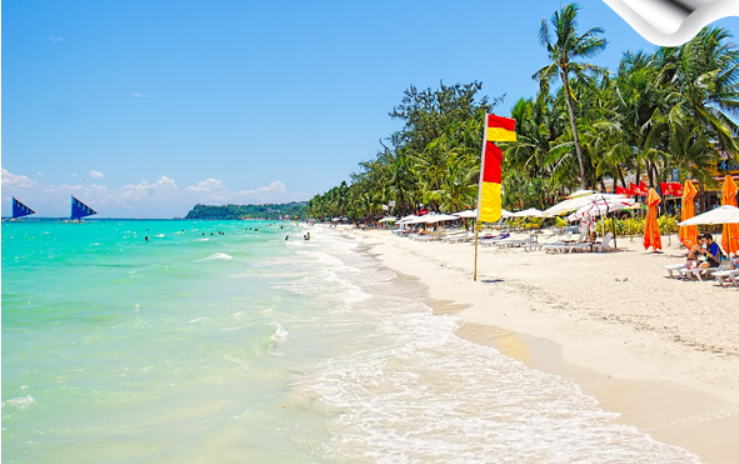
Brilliant green rice fields, teeming cities, colourful jeepneys, stunning beaches, and smiling, happy-go-lucky people are all part of the Philippines scene. With more than 7000 tropical islands to choose from, you can find what you are looking for. Divers have long known about the country’s underwater attractions while Northern Palawan is perfect for sea kayakers, and Boracay is a world-class kiteboarding and beach destination.

The Philippines was colonised for 400 years and vestiges of the Spanish era can be seen in exuberant town festivals and centuries-old stone churches while huge shopping malls, fast-food chains and widespread spoken English come from the influence of the Americans.

travel

Boracay Beach. Credit: Philippines Tourism

Manila, the capital, is a pulsating hub that blends the quaint with the modern, the mundane with the extraordinary. Cebu is a choice tourist destination with balmy weather, pristine beaches, crystalline waters, and luxurious resorts. Banaue is a place for nature adventures and cultural immersion and the rice terraces are quite extraordinary. Palawan has thick green forest, white-sand beach, sparkling water and magnificently sculpted jade islands.

Philippines Airlines operates from most continents to Manila and there are some direct services to Cebu.

South Africa

Go almost anywhere in South Africa and you can experience a combination of nature, wildlife, culture, adventure, heritage and style. During these tough economic times, it’s good to find a bargain destination where you can even afford luxury and have spending money left over. There is natural beauty in mountains, forests, coasts and deserts and world-class facilities.

It is not possible to talk about South Africa without mentioning wildlife. Everyone wants to see the Big Five, but there are also whales, penguins, meerkats, wild dogs, birds and much more. If you are looking to experience wildlife viewing in luxury, Tintswalo Safari Lodge, in the pristine private Manyeleti Game Reserve could be the answer. It shares an unfenced boundary with the renowned Kruger National Park and suites are decorated to reflect colonial times.

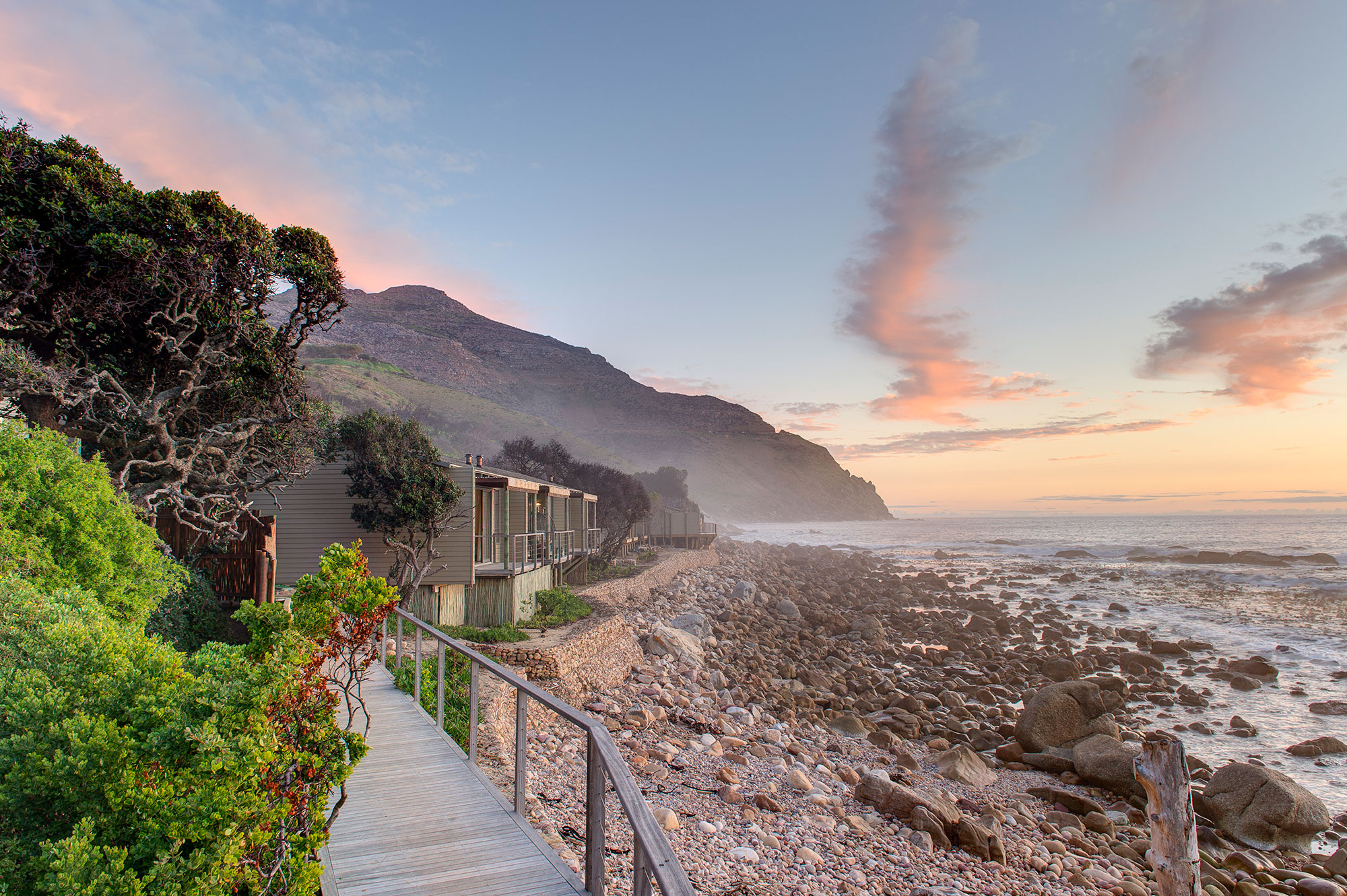
Tintswalo Atlantic Resort. Credit: Tintswalo Atlantic

The same company has beach-side Tintswalo Atlantic, a 5 star, award-winning boutique lodge nestled at the base of Table Mountain National Park near Cape Town. This is one of the city’s hidden gems. The views of a wild sea crashing below contrasting with a roaring fire and fabulous welcome drinks will set the tone for a memorable stay.

For a city location, the all-suites Michelangelo Towers in Sandton, Johannesburg appeals because it is directly connected to the Michelangelo Towers Mall and the Sandton Convention Centre, and is located directly opposite Sandton City and Nelson Mandela Square in the in heart of South Africa’s  Richest Square Mile.

Monaco

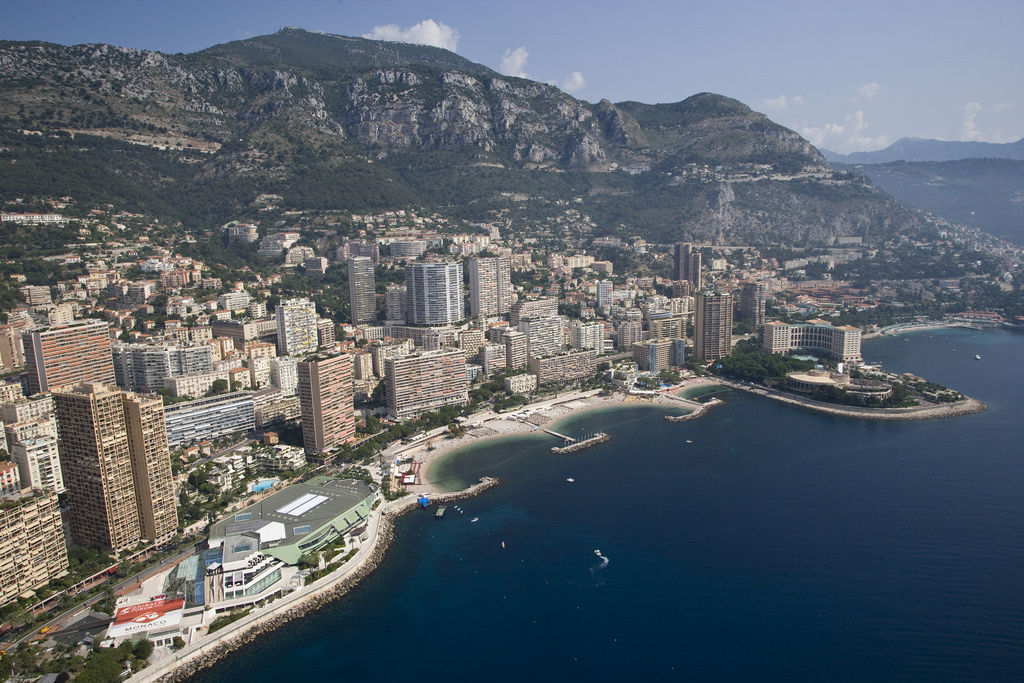
Situated at France’s southeastern corner near the Italian border, occupying an area of just 2.8 sq. km, Monaco might be the second smallest country in the world (after the Vatican), but what it lacks in size it sure makes up for in attitude and variety.

There is an ornate opera house, Michelin-starred restaurants, and casinos, palaces, cathedrals, supercars, mega yachts, deluxe hotels and designer boutiques. There are also museums and galleries, festivals, nightclubs, and gardens with exotic plants and sea views.

Monaco. Credit: Monaco Government Tourist Bureau

The country is one of the most surprising and rewarding destinations in Europe. It is just 30 minutes by car, bus or taxi from Nice Airport through hairpin bends and along rocky cliffs. Monaco enjoys over 300 days of sunshine a year and a temperate climate.

Berlin

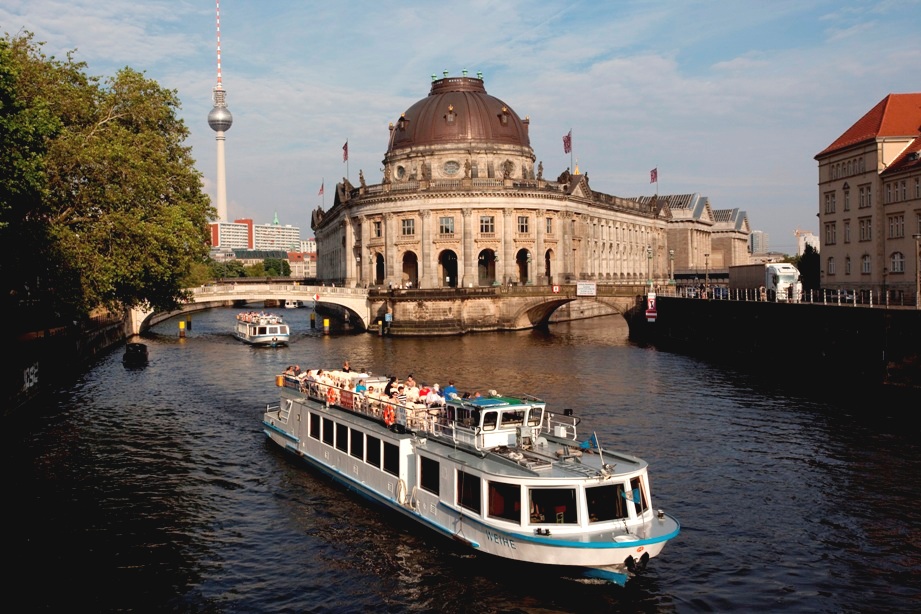
As most readers will know, Berlin has had a chequered history in recent decades. It is now emerging as one of Europe’s leading centres of culture. The modern Mitte district has the Museum Island UNESCO World Heritage Site, but also two opera houses and six major theatres, as well as museums, innumerable galleries and arts venues. Now, many new major cultural projects are locating here, just a few minutes’ walk apart.

Opened earlier this year, the new Pierre Boulez Saal is a major international concert hall with the elliptically-shaped hall regularly presenting concerts and chamber music. A complete contrast is provided by the 1740s Staatsoper Unter den Linden, Berlin’s first opera house, which reopened in October 2017. Unfortunately, Berlin’s most popular museum, the Pergamon, is partially closed but from mid- 2018, visitors can view part of the Pergamon Altar’s treasures at a temporary exhibition building directly opposite Museum Island.

The James-Simon-Galerie will be the Museum Island’s new central entrance and visitor centre with central ticket office, cloakrooms and facilities, cafés and a museum shop when it opens in 2019.

Berlin-Ansichten. Credit: Visit Berlin

To complement all this development, several major hotels have opened in 2017 and more are scheduled for 2018.

The Berlin City Centre Alexanderplatz, opened in May offering 344 rooms with a modern design over nine floors. Later, The Yard,  4-star boutique hotel with 55 rooms opened, followed by the Orani Berlin, a classy hotel with 42 subtle but rather luxuriously furnished rooms. Between now and year’s end the 60-metre-high Motel One Berlin-Alexanderplatz with 708 rooms, The Meininger Hotel Berlin East Side Gallery with 245 rooms and the Hilton Berlin City East with 254 rooms will all open.

Bargain rooms may well be on offer during the European winter.

Los Angeles

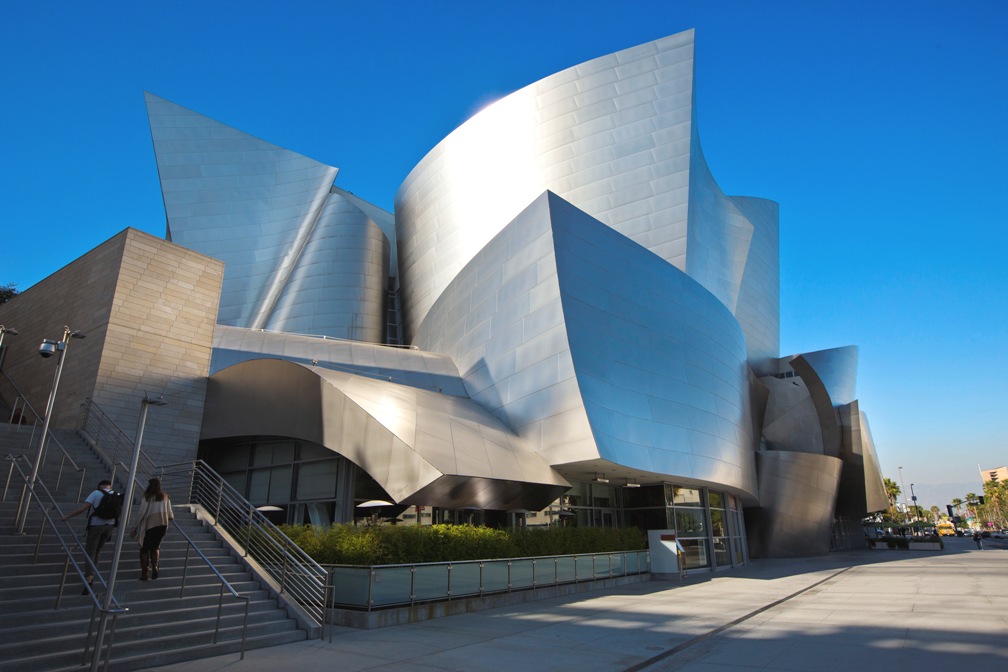
Many readers will have been to Los Angeles, USA but most will not be aware of the wide range of museums, art galleries and concert halls that are spread throughout the city. In the downtown area, the futuristic Walt Disney Theatre is an architectural masterpiece and is right next door to the city’s newest cultural and design showpiece, The Broad. L.A.Live is another vibrant entertainment complex offering restaurants and live music venues.

Walt Disney Theatre. Credit: Discover LA. Photo by Matt Marriott

The Westside perhaps has even more attractions. There is the Getty Center located atop the Santa Monica Mountains then on Museum Row, there is the Los Angeles County Museum of Art, Pettersen Automotive Museum, the Craft and Folk Museum and the La Brea Tar Pits and Museum. In Century City you will find the Annenberg Space for Photography.

Hollywood, known as the entertainment capital of the world, is an essential part of the L.A. experience. Film enthusiasts will love the renovated TCL Chinese Theatre and you can tour the Dolby Theatre, home of the Oscars. Not far away is Universal Studios Hollywood with its rides, shows and tours.

If you consider L.A. nothing more than a gateway to the USA, you had better re-think. It is one of the top picks for places to visit in 2018.

The Best Travel Destinations for 2018www.LenRutledge.com

www.LenRutledge.com

A Road Trip from Washington DC to New York

A road trip from Washington DC to New York

Words: Len Rutledge    Images: Phensri Rutledge

Driving in the USA can be daunting or charming depending on where you are. Despite initial reservations, my wife and I found driving between two of the country’s major cities was no great problem.

Day 1 Washington DC to Lancaster 190 km

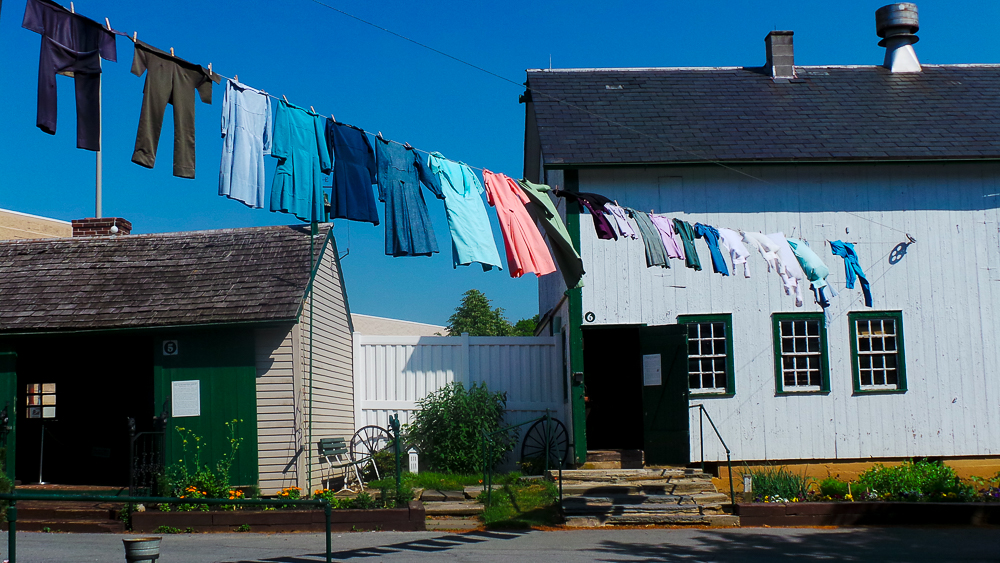
This morning we leave Washington DC on route to Lancaster. We skirt Baltimore then follow I-83 north for 90 minutes before exiting at York. By now we have entered a beautiful region of rolling hills, neatly cultivated farms, covered bridges, and towns with unusual names like Paradise, Intercourse, and Bird-in-Hand. This is the gorgeous Amish Country, also known as Pennsylvania Dutch Country, which immediately evokes feelings of nostalgia, respect, and curiosity.

The verdant countryside is laced with rural roads and we quickly find opportunities to meet Amish and Mennonites on farms that have opened their doors for commerce. There are historical sites, pretzel and chocolate factories, covered bridges, and bustling farmers’ markets. For those unimpressed by these attractions, there are amusement parks and outlet-mall shopping.

At the Pennsylvania Dutch Convention & Visitors Bureau, we are given an excellent map and visitors’ guide to the region and a wealth of brochures. The Amish with their distinctive clothes and lifestyle are the big attraction in this region but we quickly learn they are not theme-park characters but hardworking people leading busy lives. They don’t drive cars or use electricity so there are 25,000 horse-drawn vehicles in the county. These tend to stick to quieter back roads, but you will certainly see many of them as you travel around.

The Amish Experience, on Route 340 in Intercourse offers three attractions that provide an authentic illustration of Amish life, past and present. Tickets for a 40-minute multimedia show, an interpretive tour of a contemporary-style Amish home, and a guided back-road bus tour may be purchased separately. We don’t do the bus tour but learn much about the lives of these interesting people. The final highlight of the day is dinner at a family-style restaurant with some local specialties.

washington

Day 2 Lancaster to Philadelphia 127 km

Today starts with a visit to the Amish Farm and House which is a historic 1805 farmhouse, furnished like a modern Amish house. The guide explains the Amish history, clothing, customs and culture as we move through the home. There is time to wander the six-hectare farm and see a wide variety of farm animals, historic barns, a covered bridge, the one-room schoolhouse and exhibits including an authentic tobacco stripping room and an original blacksmith shop.

Next, it’s back to Intercourse to visit the Kitchen Kettle Village where there are 45 local shops, restaurants and an inn in a village. The hub of activity around here is the kitchen where locals cook up sweets, fresh baked pie and cookies, and delicious canned goods like relish, salsa and pickles. We sample some pepper jam and shoo fly pie and agree that there is something special about Lancaster cooking. Amish and Mennonite owned-stores are closed on Sundays so visit here on other days.

Road US30 East heads towards Philadelphia. Much of this follows the route of the old Philadelphia and Lancaster Turnpike which when built in 1794 was the first toll road and best stone and gravel road in the country. This is not the fastest route but it is the most interesting as it goes through several small towns.

Traffic is heavy as we approach Philadelphia but we find our accommodation and decide we should walk rather than drive. This is the second largest city on the east coast of the United States but it is also one of the most historic in the nation. We are hungry so head to Reading Terminal Market, an enclosed public market opened in 1892. The former train shed has over one hundred merchants and we enjoy a healthy meal.

Day 3 Philadelphia

There is a designated Constitutional Walking Tour and it seems like a good idea to follow parts of it. The African American Museum is where we start but we leave somewhat disappointed. Fortunately, the National Constitution Centre, a well-done museum about the history of the USA and its Constitution, is more interesting. This naturally leads to the Independence Visitor Center where we learn about visiting Independence Hall and other sites in Independence National Historical Park.

Immediately south is the Liberty Bell Centre where historic documents and graphic images explore the facts and the myths surrounding the famous cracked Bell. Independence Hall, where the Declaration of Independence and the United States Constitution were adopted, is the centrepiece of the Park.

We discover there are no tickets left for admission so we make do with looking around outside. Over the next few hours, we visit the Magnificent Carpenters Hall, Franklin Court, Christ Church, and Elfreth’s Alley, which is known as the oldest residential street in the USA.

As we return back along Arch Street towards our hotel, we stop off at the Betsy Ross House, the Arch Street Friends Meeting House and the Christ Church Burial Ground.

Day 4 Philadelphia to New York 155 km

Yesterday was all about old Philadelphia and we start today by driving through Society Hill a charming district with cobblestone streets said to contain the largest concentration of original 18th- and early 19th-century residential architecture in the United States.

We make a stop at the Mütter Museum America’s finest museum of medical history before visiting the Philadelphia Museum of Art, one of the largest art museums in the country. The Franklin Institute was established in 1824 as a centre of science education and it also houses a huge statue of seated Benjamin Franklin, one of the Founding Fathers of the United States.

Time is getting away so we leave the city and head along the New Jersey Turnpike (Interstate 95) to Newark Liberty International Airport where we drop off the rental car. The Newark Airport Express takes us to Grand Central Station in New York City and we take the subway to our hotel.

There is just time to reach the Circle Line pier to catch the Harbour Lights Cruise. The sun is low as we cruise down the Hudson River, around the Battery, up the East River, and back via the Statue of Liberty. As the sun sets and the skyline comes alive with millions of lights, we gaze in wonder at the hugely impressive scene and plan our next few days in the city that never sleeps.

www.LenRutledge.com

The Attraction of North Queensland, Australia

The Attraction of North Queensland, Australia

Words: Len Rutledge  Images: Phensri Rutledge

With international airports at both Cairns and Townsville, North Queensland, Australia is accessible from most places in the world. Multiple daily flights from Melbourne, Sydney, and Brisbane bring Australians from the southern part of the country to this northern paradise. The area is booming but many international and domestic visitors arrive, however, without firm ideas on what to do and see.

Here are a few suggestions about some things that shouldn’t be missed.

Great Barrier Reef

This is the world’s largest coral reef containing an abundance of marine life, coral cays, and hundreds of picturesque tropical islands with some of the world’s most beautiful sun-soaked, golden beaches. It is larger than the Great Wall of China and the only living thing on earth visible from space. Boats run daily from Port Douglas, Cairns and other places to the reef for snorkelling, diving, and coral viewing. Some go to islands, while others visit coral cays or artificial pontoons. The best dive trip is to the wreck of the Yongala just south of Townsville. Learn-to-dive classes are held throughout the area.

Preparing for a reef dive

Atherton Tablelands waterfalls

In the Wet Tropics, it often rains. Luckily the rivers and streams cascading from the highlands to the coast spill over terrain that creates interesting lakes and delightful waterfalls. Start your waterfall exploring at Millaa Millaa. Follow the scenic Theresa Creek Road to the fairy-tale drop of Millaa Millaa Falls, the region’s most photographed waterfall then drive on to Zillie and Ellinjaa Falls, and visit Mungalli Falls.

Australia’s widest waterfall, the Millstream Falls, is near Ravenshoe while Malanda Falls is where the North Johnstone River runs over a wide lava flow into a year-round swimming pool.

Millaa Millaa Falls

Cairns swimming lagoon

This area on the Esplanade is a magnet for backpackers from around the world as a sunbaking and social gathering place. It also is a place for locals to get fit on the exercise equipment dotted through the parks and along the esplanade boardwalk, and a place for the family to have fun on the play equipment and to learn to swim.

The large salt water swimming area has sandy shores and timber decking and is patrolled daily by Life Guards. Entry to the Lagoon is free and toilet and shower facilities are located in the adjacent amenities block.

Cairns Lagoon Pool

Wallaman waterfall

This is the highest, permanent, single-drop waterfall in Australia and it is part of the Wet Tropics World Heritage Area, home to some of the oldest rainforests on earth and many endangered plants and animals. The falls are located about 50 km south-west of Ingham and are 160 km from Townsville.

The Wallaman Falls camping area is adjacent to Stony Creek and gas barbecues, picnic tables, shelter sheds, water and a cold water shower are provided. Picnic tables, toilets, and water are provided at two day-use areas and two interesting short walks are available for visitors.

Wallaman Falls

Paluma rainforest

The Paluma Range National Park about one hour north of Townsville is the southern gateway to the Wet Tropics World Heritage Area. Here you can escape the coastal lowland heat and relax in the cool mountain air of the Paluma Range. Little Crystal Creek on the road up the range is an ideal location to stop for a picnic lunch, swim, bushwalk, or barbecue. It is well known for its historic stone arch bridge built in the 1930s and the cascading waterfalls which feed into one of the best freshwater swimming holes in the north.

Tropical rainforest grows on the cooler mountaintops and in the valleys, and the park is home to many animals found only in the Wet Tropics. The National Park contains five walks and there are two community walking tracks which start from the Paluma township. These walks, which range from 300m to 4 km, introduce you to the natural and historical values of the area and are a delight.

Little Crystal Creek

Reef HQ

Reef HQ in Townsville has the largest living coral reef aquarium in the world. It has brought the Great Barrier Reef marine environment onto land making it easily accessible to the public. The attraction includes a Coral Reef Exhibit with a walk-through tunnel, a Predator Exhibit, a children’s section, a gift shop, and a cafe.[You can also see Reef HQ Aquarium’s Turtle Hospital patients and learn how you can play a role in protecting marine turtles in the Great Barrier Reef.

Reef HQ Aquarium is your opportunity to visit the reef in air-conditioned comfort without getting sunburnt or seasick. Even on a dive trip, you would rarely see so many creatures in such detail.

Reef HQ Townsville

Townsville coffee shops

Melbourne is regarded as Australia’s coffee capital as the city has an amazing collection of coffee shops and roasters. In North Queensland, the title goes to Townsville. The greatest concentration of outlets is in the CBD but there are some good places in South Townsville and near the Strand.

Some of the shops are just like you will find elsewhere but several have a unique atmosphere reflecting the laid-back lifestyle of the tropics and the knowledge that locals have about good coffee. I doubt you will be disappointed no matter where you go.

Hoi Polloi coffee shop Townsville

www.LenRutledge.com

Luxury Around the World

Len Rutledge

Luxury and experiential travel are changing the travel industry and the way many people think about travel. While trips to see grandma will always occur, family trips today are often camping safaris through Africa or visits to remote lodges in Bhutan.

Today’s travellers are braver than ever and are prepared to travel well off the beaten track. They are looking for something unique and individual.  As new destinations emerge, traditional tourist hotspots and resorts have to rethink their approach in order to stay relevant.

I have just returned from Luxperience, an unmissable annual get-together for all those associated with the high-end travel industry. It was a meeting which exposed all the newest and best operators, and showed where this growing part of the industry is heading.

I have selected five products which show the level of luxury and diversity that is now available to world travellers. Any of them would be an experience of a lifetime for most people.

Deccan Odyssey

This is a luxury train in India comprising 21 luxuriously appointed coaches; 11 are to accommodate guests and the rest are used for different purposes such as dining, lounge, conference car and health spa. All the cabins of Deccan Odyssey are fully equipped with air-conditioning, internet connectivity, and personalized guest amenities that make sure that your journey is a comfortable and memorable one. There are two restaurant cars available which serve Indian, continental and oriental delicacies.

deccan

There are six itineraries which travel to a UNESCO World Heritage Site, an excellent vineyard, palatial residences, sun-kissed beaches, magical cities, and tranquil backwaters. All is done with the luxury and pomp that only India can muster. Truly, this is the journey of a lifetime.

Over the Top

This New Zealand helicopter company based in Queenstown provides more than just a helicopter ride. You can visit alpine glaciers and remote lakes, for hiking, boating, extreme golfing, winery visits, heliskiing or fly fishing. For guests wanting an interaction with some distinctive New Zealand characters, you can fly with eco-guides, chefs, artists – genuine New Zealanders who delight in making your stay a once in a lifetime experience.

over-the-top-golf-tee

One activity that is gaining in popularity is Over the Top Golf. This provides access to New Zealand’s most picturesque golf hole. Nestled at 4500 feet in the New Zealand alps this par 3 hole overlooking Queenstown has four tee boxes so you can attempt your hole in one. Players have to fly in, drive, chip and putt out on the top.

The Racha

This deluxe island hideaway in Thailand is set on a pristine beach on Racha Island 18 km south of Phuket. The resort features 85 luxurious villas and strives to be recognized as a leader in responsible and environmentally sustainable tourism. The island is known for its natural beauty and for its excellent corals and marine life. It is also a wonderful place for relaxation and for doing nothing.

lighthouse-pool

Many rooms have a large living area and a spacious private terrace. Each villa is superbly designed and features a luxurious bathroom and a rain-shower outside. The Earth Cafe is a contemporary chic international café serving Western and Thai food in air-conditioned comfort or on the terrace. Sunset Beach is a casual restaurant serving local specialties and snacks for lunch and fresh barbequed seafood and steaks for dinner right next to the beach. Firegrill is a fine dining restaurant offering Mediterranean cuisine.

R.M. Williams Tour

R.M.Williams was an Australian hero who did much to put the Australian Outback on the map. His famous boots became a symbol of toughness and style which continues to this day. The Tailor, in conjunction with R.M.Williams, has designed the ultimate tribute to RM Williams. In RM’s Footsteps is a 4-day journey which traces his personal history, telling the story of how he created the famous leather boots now sold around the world.

This amazing trip offers guests a rare opportunity to explore the legend of RM Williams by visiting several magnificent Outback destinations, such as the Flinders Ranges and Lake Eyre, enjoying traditional country hospitality and eating delicious regional cuisine. Guests travel in ultimate luxury aboard a Swiss-built Pilatus PC12 aircraft.

nilpena-station-with-the-flinders-ranges-behind

The trip begins in Adelaide with a private tour of the RM Williams workshop, factory, and museum, plus a chance to be fitted with your own boots, clothing and other bush apparel. You will receive a complimentary pair of Craftsman Boots. Another highlight is a visit to the historic Nilpena Station, a tour of the nearby red desert dunes, and a rare visit to the heritage listed Ediacara fossils made famous by the likes of Sir David Attenborough.

The Strand Cruise

On a languid journey along the Ayeyarwady River, the new luxurious Strand Cruise reveals the core of Burma in exceptional comfort. Cruise itineraries include 4 nights from Bagan to Mandalay and 3 nights from Mandalay to Bagan. While cruising you can clear your mind with a rejuvenating massage, or relax by the swimming pool. Enjoy the magnificent sunset from the upper deck while the sommelier delights you with a wide variety of wines. At dinner, the Chef will take you on a journey through refined cuisine.

slide-strand-cruise-b

Pampering and relaxation are the goals of the spa. You can heighten the experience with a massage in either an individual room or share the experience in our double room. The foot reflexology station will leave you ready to take on a new day of exploration and discoveries. The fitness room comes complete with treadmills, weights, and other gym equipment; everything needed for an invigorating workout.

Excursions allow you to explore the royal cities of Mingun, Amarapura, and Ava by horse-drawn cart; take in landmarks such as the U Bein bridge; and marvel at the enduring beauty of the country’s innumerable temples and monasteries.

Further information:

Deccan Odyssey: http://www.deccan-odyssey-india.com/

Over the Top: http://www.flynz.co.nz/

The Racha: http://www.theracha.com/new/index.htm

R.M.Williams Tour: http://www.thetailor.com.au/rmwilliams/

The Strand Cruise: http://www.thestrandcruise.com/

www.LenRutledge.com

Exploring Central Sofia

Words: Len Rutledge.   

Photographs: Phensri Rutledge.

A spectacular cathedral, Roman ruins, restored markets and delightful gardens are just a few of the joys of central Sofia, Bulgaria’s interesting capital. My wife and I arrived knowing little about the city and we discovered a place which we really enjoyed. Sofia’s main sights are nearly all located within a short walking distance of each other. After some sightseeing, dining and relaxing we left vowing that we would return to explore further before long.

Tsar Osvoboditel Monument.

This monument portrays the Russian Tsar Alexander II on horseback. It was erected in gratitude for the liberation of Bulgaria in 1878 from Ottoman rule. The 14-metre high statue is by the Italian sculptor Arnaldo Zucci. Around the pedestal are statues of Russian and Bulgarian fighters. In the spring the small garden around it is covered with flowers. The monument was restored in 2012 to its original condition.

National Assembly Building.

Across the road is this grand Neo-Renaissance style white structure from 1885 which houses the parliament. It is depicted on the Bulgarian 20 leva banknote. In 1997 the building was stormed and damaged, leading to the eventual downfall of the then ruling Socialist party. The words on the facade translate to something like “United we are strong” while on the roof are a row of Grecian-style urns. The interior has been refurbished several times but its original appearance has been basically preserved.

Alexander Nevski Cathedral.

This is without a doubt the most spectacular building in Sofia. The Neo-Byzantine style building is said to hold 8000 people. There are five aisles and three altars, some lovely stained glass windows, Venetian mosaics and dramatic murals. It is one of the largest Eastern Orthodox cathedrals in the world. It was started in 1882 but was not finished until 1912. The crypt below the cathedral is part of the National Art Gallery and there is art from the 4th to the 19th centuries. The focus is primarily on icon painting.

Cathedral Saint Alexandar Nevski

St Sofia.

It is just a hundred metres or so to another important church. This is the oldest Eastern Orthodox church in Sofia and the contrast in style between it and the cathedral could not be starker. The simple red brick church dates back to the 5th century and it gave its name to the present day capital back in the 14th century. During the Ottoman period, it was turned into a mosque but it was restored as a church after the liberation. Just outside the church burns the Eternal Flame of the Unknown Soldier where we watched a dignified military tribute taking place.

St. Sofia church

Russian Church.

Tsar Osvoboditel Blvd., known locally as the ‘Yellow Brick Road, is where you find this small and beautifully ornate Russian Church with its five golden onion domes. It was apparently built for a Russian diplomat who was afraid to worship in Bulgarian churches. While the outside is lovely, the interior, which is currently under repair, is quite dark. You can see the box where people place notes and wishes hoping for a miracle.

National Art Gallery.

This former Royal Palace has been partial renovated in recent times. It houses the national Art Gallery and the Ethnographic Museum. On entering the building you will see the impressive staircase that leads to the rococo-decorated rooms. The gallery space is very limited but there are some nice works on display. We hear that a brand new museum of art is being built. After viewing the art, go to the cafe at the back of the building which serves good tea and coffee in the peaceful garden with old trees.

Ivan Varov National Theatre.

Cross the road and walk through the park to the neoclassical theatre building which opened in 1907. It is imposing from the front with its large pediment supported on six white marble columns. Behind this, rise twin towers crowned with sculptures of the goddess, Nike. On a nice day, the area outside has stylish street cafes and when we visited there was an orchestra playing. The theatre has three stages with the main one able to seat 750 people. The building has been damaged by fire and bombs over the years but a restoration project a few years ago has returned it to excellent condition.

Archaeological Museum.

A little further west along the yellow brick road is this museum, the oldest in Bulgaria. It has been in this location inside the old Bujuk Mosque since 1899. The mosque itself dates back to the 15th century. The highlights include the Valchitran gold treasure from the 14th century BC, pre-historical monuments, many icons and the more recent Thracian gold discoveries. Quite a few of the exhibits have English descriptions, but the Thracian gold room has excellent and extensive English explanations.

Outside the Archaeological Museum

St. George Rotunda.

Cross the road and enter the courtyard of the Presidency building. The 4th century round red brick church sits amongst the excavations of an ancient Roman town called Serdica. This is Sofia’s oldest preserved building and it is open to the public. The highlight is the three layers of frescoes under the dome, the earliest dating back to the 10th century. These were painted over during the Ottoman period when the building was used as a mosque.

St. George Rotunda

www.LenRutledge.com