Tag Archives: art gallery

Things To Do on a European Football Break

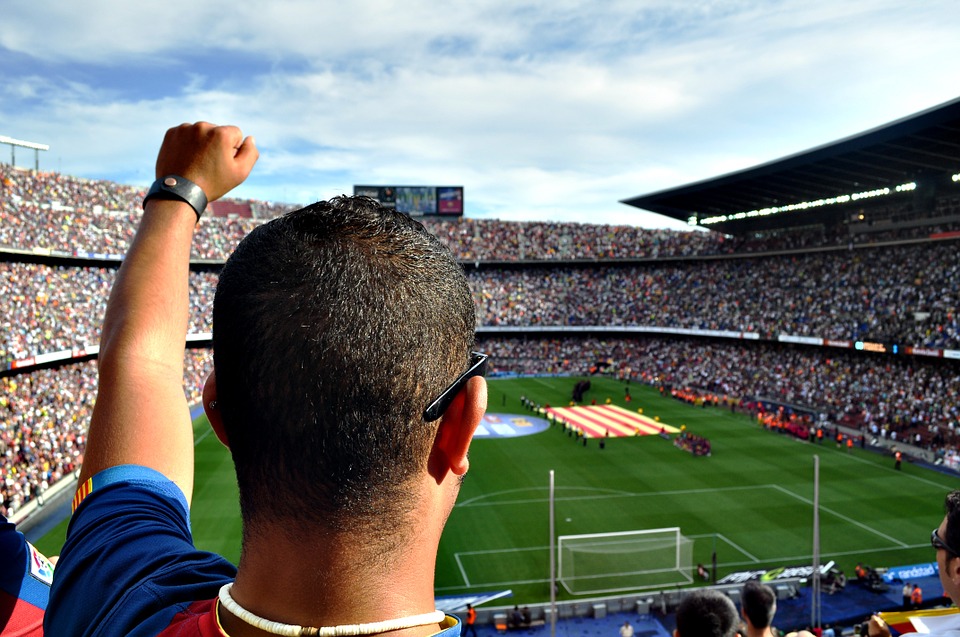
Fancy a European football break? We bet you’re not alone. With Premier League ticket prices not exactly the easiest on the pocket, lots of football fans are heading to the Continent to enjoy the beautiful game.

It’s not hard to see why. Affordable airfares, reasonable ticket prices and the thrill of Champions League and Europa League action are all encouraging football fanatics to up sticks and enjoy an away day or weekend break across the Channel.

If you’re hankering after some of this action for yourself, we think you’ll love a new guide to the away grounds and cities of European football teams developed by the travel experts at Expedia.

Their European Football Away Games Guide is designed to help footy fans travelling around Europe as they follow their teams in Champions League action. It’s there to help you figure out how to get to an unfamiliar football ground and find your way around a new city, enjoying all that it has to offer in the process.

But hey, it’s not just about the football. The beauty of a European football break is that, as well as soaking up some football artistry, you’ve got a whole city to explore. And when we’re talking about places like Munich, Naples, Madrid and a whole host of other historic cities, there’s a whole world of wonder to discover.

To introduce Expedia’s fantastic interactive guide (take a look, it’s great), we’ve picked out three of Europe’s great footballing cities – Manchester, Barcelona and Munich – and given you a few places to visit that aren’t just to do with the Beautiful Game

Manchester

You might have heard people mention that it rains quite a lot in Manchester. They’re not wrong – it does. Escape the raindrops with a day of culture – blogger Becci Brown recommends immersing yourself in Manchester’s buzzing art scene.

3397912_bfcd984e

The Whitworth Art Gallery won Visit England’s gold prize for the Large Visitor Attraction of the Year in 2016, and with 55,000 items in its collection, from historic exhibitions to contemporary commissions, it’s not hard to see why. Manchester Art Gallery, HOME, the Centre for Chinese Contemporary Art, Gallery Oldham and The Lowry are a few of the city’s other artistic highlights.

Barcelona

After all that football you’ll need some food. Food blogger Ben Holbrook says you should head to La Pubilla, in the Gràcia district of the city. Enjoy a starter, one or two main courses, bread and dessert and a few beers for around €25 – not bad, eh?
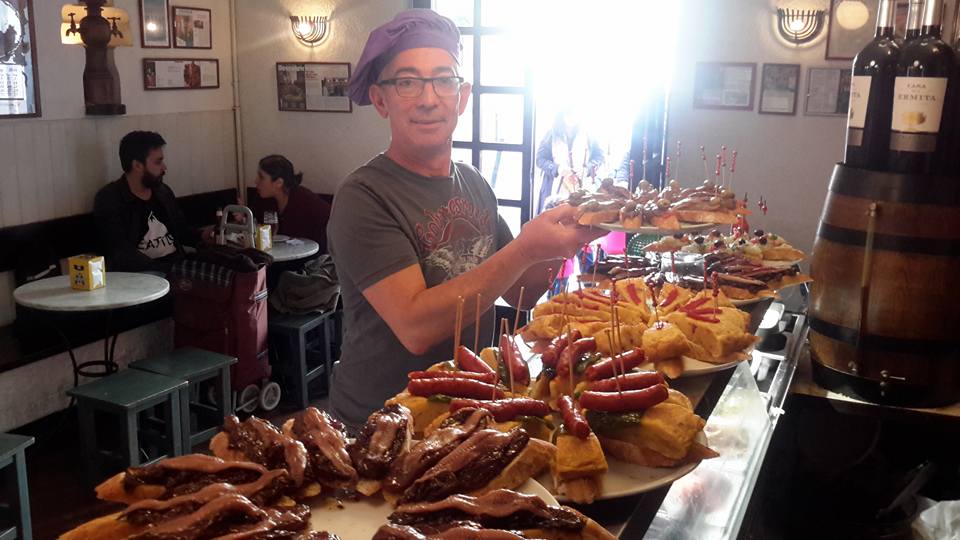
Image courtesy of www.lapubilladeltaulat.com/

Munich

Blogger Samantha Angell says Munich’s Viktualienmarkt is a must-visit. One of the city’s greatest farmer’s markets, it’s home to more than 100 stalls selling German sausage and cheese, beautiful flowers, fresh fruit and veg and more. Perfect for a pre- or post-game snack, be sure to visit it on a trip to this brilliant German city.
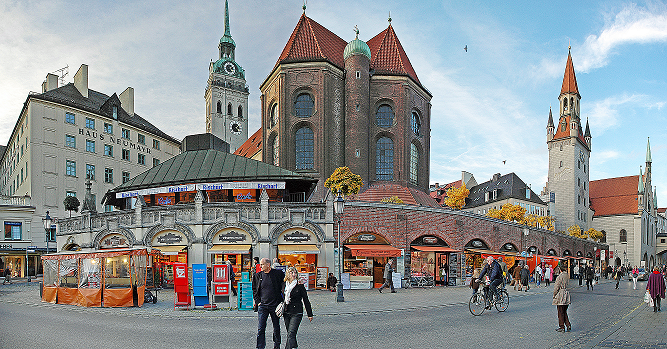
viktualienmarkt

Heading off on a football break? Be sure to take Expedia’s resource with you!

Exploring Central Sofia

Words: Len Rutledge.   

Photographs: Phensri Rutledge.

A spectacular cathedral, Roman ruins, restored markets and delightful gardens are just a few of the joys of central Sofia, Bulgaria’s interesting capital. My wife and I arrived knowing little about the city and we discovered a place which we really enjoyed. Sofia’s main sights are nearly all located within a short walking distance of each other. After some sightseeing, dining and relaxing we left vowing that we would return to explore further before long.

Tsar Osvoboditel Monument.

This monument portrays the Russian Tsar Alexander II on horseback. It was erected in gratitude for the liberation of Bulgaria in 1878 from Ottoman rule. The 14-metre high statue is by the Italian sculptor Arnaldo Zucci. Around the pedestal are statues of Russian and Bulgarian fighters. In the spring the small garden around it is covered with flowers. The monument was restored in 2012 to its original condition.

National Assembly Building.

Across the road is this grand Neo-Renaissance style white structure from 1885 which houses the parliament. It is depicted on the Bulgarian 20 leva banknote. In 1997 the building was stormed and damaged, leading to the eventual downfall of the then ruling Socialist party. The words on the facade translate to something like “United we are strong” while on the roof are a row of Grecian-style urns. The interior has been refurbished several times but its original appearance has been basically preserved.

Alexander Nevski Cathedral.

This is without a doubt the most spectacular building in Sofia. The Neo-Byzantine style building is said to hold 8000 people. There are five aisles and three altars, some lovely stained glass windows, Venetian mosaics and dramatic murals. It is one of the largest Eastern Orthodox cathedrals in the world. It was started in 1882 but was not finished until 1912. The crypt below the cathedral is part of the National Art Gallery and there is art from the 4th to the 19th centuries. The focus is primarily on icon painting.

Cathedral Saint Alexandar Nevski

St Sofia.

It is just a hundred metres or so to another important church. This is the oldest Eastern Orthodox church in Sofia and the contrast in style between it and the cathedral could not be starker. The simple red brick church dates back to the 5th century and it gave its name to the present day capital back in the 14th century. During the Ottoman period, it was turned into a mosque but it was restored as a church after the liberation. Just outside the church burns the Eternal Flame of the Unknown Soldier where we watched a dignified military tribute taking place.

St. Sofia church

Russian Church.

Tsar Osvoboditel Blvd., known locally as the ‘Yellow Brick Road, is where you find this small and beautifully ornate Russian Church with its five golden onion domes. It was apparently built for a Russian diplomat who was afraid to worship in Bulgarian churches. While the outside is lovely, the interior, which is currently under repair, is quite dark. You can see the box where people place notes and wishes hoping for a miracle.

National Art Gallery.

This former Royal Palace has been partial renovated in recent times. It houses the national Art Gallery and the Ethnographic Museum. On entering the building you will see the impressive staircase that leads to the rococo-decorated rooms. The gallery space is very limited but there are some nice works on display. We hear that a brand new museum of art is being built. After viewing the art, go to the cafe at the back of the building which serves good tea and coffee in the peaceful garden with old trees.

Ivan Varov National Theatre.

Cross the road and walk through the park to the neoclassical theatre building which opened in 1907. It is imposing from the front with its large pediment supported on six white marble columns. Behind this, rise twin towers crowned with sculptures of the goddess, Nike. On a nice day, the area outside has stylish street cafes and when we visited there was an orchestra playing. The theatre has three stages with the main one able to seat 750 people. The building has been damaged by fire and bombs over the years but a restoration project a few years ago has returned it to excellent condition.

Archaeological Museum.

A little further west along the yellow brick road is this museum, the oldest in Bulgaria. It has been in this location inside the old Bujuk Mosque since 1899. The mosque itself dates back to the 15th century. The highlights include the Valchitran gold treasure from the 14th century BC, pre-historical monuments, many icons and the more recent Thracian gold discoveries. Quite a few of the exhibits have English descriptions, but the Thracian gold room has excellent and extensive English explanations.

Outside the Archaeological Museum

St. George Rotunda.

Cross the road and enter the courtyard of the Presidency building. The 4th century round red brick church sits amongst the excavations of an ancient Roman town called Serdica. This is Sofia’s oldest preserved building and it is open to the public. The highlight is the three layers of frescoes under the dome, the earliest dating back to the 10th century. These were painted over during the Ottoman period when the building was used as a mosque.

St. George Rotunda

www.LenRutledge.com

Springtime Events in Sydney: Culture and Taste buds

The spring season is upon us and joie de vivre is all around while Sydney is brimming with events and things to do and see. With so much going on, it can be difficult to choose, so we’re giving you a short guide through the season and we hope you find something of interest.

September

  • Sydney Fringe festival – during the entire month – September the 1st through September the 30th, this is the largest independent arts festival in NSW, spreading across five cultural villages. Check out the festival e-guide to plan your route from over 300 productions in over 50 venues. http://www.sydneyfringe.com/ticketing/festival_e-guide/

sydney fringe festival

October

  • Balcony Styling workshops – a well known garden designer ,Judith Sleijpen, will be teaching about design, furniture, accessories, plants and everything you need to know to make a great garden and patio for yourself. This is a 3 hour workshop including brunch. http://www.petiteretreat.com.au/

balcony styling workshop

  • The Greats: Masterpieces from the National Galleries of Scotland – Sydney is home to many exquisite galleries the whole year round, with both regular and guest exhibitions to fascinate even the most critical of enthusiasts. You should book a Sydney tour and see them all, but take special note of the Art Gallery of NSW this spring and summer – October the 4th through February the 14th, 2016, is the right time to feast your eyes on the sight of 70 masterpieces from the greatest European artists including Botticelli, Leonardo, Cézanne, El Greco, Gauguin and Monet. The exhibition will be presented exclusively in Australia by the Art Gallery of NSW as part of the Sydney International Art Series.
The Greats: Art Gallery NSW
Sandro Botticelli
The Virgin adoring the sleeping Christ child, c1485 (detail)
  • Sydney Morning Herald Growers Market – October the 3rd through November the 7th, held in Pyrmont Bay park, this market has been a tradition for the last 14 years, selling everything from seafood, vegetables and fresh fruits to locally roasted coffees on tap. Specialty breakfasts are served outdoors by the harbor, and a special celebrity chef cook-off will take place at the Market Chef Stage.
Growers' Market Best of the Brunch
Growers’ Market Best of the Brunch
  • Night Noodle Markets – October the 8th through October the 25th, held in Hyde Park, with over 50 food stalls as part of the Good Food Month, the world’s largest food festival and the best time for outdoor cooking and dining. Enjoy the rich flavor, sounds and smells of Asian cuisine and the buzz of a festival.
Good Food Month in Sydney
Photo by Shannon Reddaway

November

  • Twilight Racing – October 30th sees the start of the sailing season that will continue till March. You can join the Pilgrim Sailing crew on a beautiful yacht and help sail the boat or just sit back and enjoy. You will get sailings instructions if you want to get involved but the crew will try and win the race. Races are held on Wednesday and Friday nights. Book in advance.
  • Sydney Open – this November the 1st, presented by Sydney Living Museums, this event gives visitors the chance to see some of the city’s best heritage, architecture and urban design. This year, the focus will be on buildings across the CBD, Ultimo and Chippendale.

Sydney Living Museum

  • Chinatown Night Market – going on from mid September to January, every Friday night as part of Good Food Month, take a moonlit walk among food stalls and lanterns along Little Eat Street and enjoy the flavors, from Hong Kong to Hanoi, with yum cha, tepanyaki, takoyaki, sushi, Sichuan, pho and more!

Springtime is here, the buzz is on, get out and enjoy all the wonders this amazing city has ready for you!