Category Archives: Asia

Unforgettable Mahakam River Adventure in East Borneo

Do you want something challenging when visiting East Borneo? Try joining Mahakam River adventure, a popular travel package designed for tourists who want to look more closely the beauty of forest, river and culture of Dayak people in Borneo. Almost the entire trip is conducted on the boat, although tourists will also walk out the boat to walk in the forest and visit various Dayak villages and communities. You can get exciting adventure, but you still get the comfort of well planned travel package.
Since this is a popular package in travel companies in Borneo, you can get guides who speak English, good accommodation, and even air conditioned boat for extra comfort.

mahakam river boat

Beautiful Nature Trip in Mahakam River Adventure

If you join Mahakam River Adventure, you can see everything that makes East Borneo forest famous. Once you enter the forest, your guide will show you beautiful birds, exotic trees and flowers, river dolphins and, if you are lucky, you can see orangutans among the trees. You can also visit orangutan sanctuary and research center. Guides know when Mahakam’s unique river dolphins appear on the surface, so do not miss it. You can also step out of the boat on designated spots and do jungle trekking in Kutai National Park.
Imagine the feeling when you spend the night sleeping in an air conditioned boat and waking up with the sight of rainforest in the morning with birds and river singing. This is truly an unforgettable trip to take.

pesut-mahakam

Cultural Trip in Mahakam River Adventure

Mahakam River is an important river for Dayak people living around it, so you will also get a chance to see cultural richness of Dayak people. For example, during your trip, you will visit places such as the village of Dayak Benuaq people with its signature longhouse, where you can see traditional dances, ceremony and weapon. You can also visit unique floating house in Tanjung Isuy area, see actual Dayak villages along the river, and visit the Palace of Sultan Kartanegara, which was converted into museum.
This is a trip that will open your eyes about the richness of culture in East Borneo; therefore, this is a great trip to take if you are with family.

dayak benuaq long house

Preparation for Mahakam River Adventure

Since Mahakam River adventure involves visit to the forest and traditional villages as well as trekking, there are some preparations and notions to remember:

  • Always prepare appropriate clothing to explore the forest and river; wear good shoes to tread the wildlife area, comfy socks, cotton clothing, wide brim hat, and apply sunscreen. Also, prepare mosquito repellent.
  • Do not bring excessive things when you are doing jungle trekking or visiting villages. Prepare a nice, comfortable bag to carry essentials such as bottled water, tissue, bug repellent, sunscreen, camera, wallet and maybe small binocular if you want to see birds and monkeys.
  • Do not litter or destroy plants and hurt animals. Also, do not act disrespectfully when visiting Dayak villages; always respect people you meet and pay attention to what the guide says.

dayak benuaq

Mahakam River Adventure is the best adventure trip you can take in East Borneo.

Derawan Island, the Best Island Trip Destination in Borneo

If you love island trip, consider visiting East Borneo province in Indonesia. This province is famous for its Derawan Island; an area consists of several smaller islands with beautiful beaches. The island has become very famous since the 90’s as a great place to do diving, snorkeling, watching sea turtles and golden jellyfish, and basically just enjoying beautiful nature of East Borneo. You require hours of trip from the international airport of Sepinggan in Balikpapan, but it is really worth the trip.
derawan

About Derawan Island Location

Derawan Island is a part of administrative area of Berau Regency, about 30 minutes of plane trip from Balikpapan City. However, once you arrive in Berau, you still have to use car to the Port of Tanjung Batu, before using boat to reach Derawan Island. It takes about 3 hours from Balikpapan to Derawan (not to mention extra time you must spend in other trips before reaching Balikpapan), but there are many transportation means that can take you there because of the popularity of this island.

Derawan Island itself consists of 4 main islands; Sangalaki, Derawan, Kakaban and Maratua. You can visit each of this island area by using boat rented from the island next to it. For full travel around all islands in one day, you can rent a boat that costs around $150 per day. This is a practical way to visit all islands at once in a day. You can save much more money if you order travel package.

What to Do in Derawan Island

There are many interesting things you can do in Derawan. For starter, this island has really beautiful beaches, and they are relatively quiet despite many tourists that come. Therefore, they make perfect spots for swimming and snorkeling, and of course diving in some beach points. You can also rent floaters, being photographed underwater by the guide, or watching sea turtles in their natural habitats.

derawan turtle

You may also want to visit Kakaban Island to swim in the famous Kakaban Lake, which is full of non venomous golden jellyfish; this is one of two lakes in the world that are full of non venomous jellyfish (the other one is in Philippine). You can swim and do snorkeling here, with rented snorkeling equipment. If you visit with tour guide, you can also get photographed underwater while playing with golden jellyfish.

kakaban jellyfish lake

Going with the travel group also has its own benefits; you can join unforgettable seafood barbeque dinner on the beachside.

What Not to Do in Derawan Island

There are a couple of rules you must remember when visiting Derawan Island. You are forbidden to throw garbage from the boat or to the beach in the island. Since you may not always find the trash can in the island, you are advised to bring special plastic bag to keep the trash, and throw it away once you find trash can. Also, in Kakaban Island, you are forbidden to enter the jellyfish lake by jumping, since it will disturb and even kill the jellyfish.

Greenbelt Mall, Philippines

Malls, are always defined as a building with so many boutiques inside and women carrying a minimum of one shopping bag moving here and there. The image of a big building with so many shops inside are familiar to our mind when we talk about a mall. For those who are not really interested in shopping, especially boys, coming to a mall is a very lazy thing to-do. Well if you try to come to Greenbelt Mall, there will be a different story.

greenbelt

There is a big-enough Asian garden in the front of this mall door. For boys or any other friends and family that do not like shopping so much, you can rest around this garden while waiting for the girls. What if it’s raining? Greenbelt Mall has also provided a very beautiful interior design for you. You can take so many great pictures here with you friends. But before you do that, remove all the images of a tall silver building that is so boring, so you can really enjoy Greenbelt Mall.

Not only views, Greenbelt also provided some events that you can enjoy in the mall. Music bands may also ccompany you and your resting time in the garden. That is why this mall is highly recommended for a place-to-visit during the weekends. No tickets are needed, no need to join a very long queue just to enjoy a music performance. This can be a great place to relase all of your stress in the whole week so you can prepare yourself weell for the upcoming week!

Some friends said that this mall stores are giving out things with cheap prices. Sadly, they are lacking of mall’s cleaning and condition service. There are issues that the place is smelly. Some said that every single thing in this world is not perfect. Greenbelt has won their designs and cheap stuffs, but not the grooming. But, coming into this place just for a new bright ideas for design class and study is not a bad idea to start with

Inspiring Inle Lake

Words: Len Rutledge   Pictures: Phensri Rutledge

Everyone visiting Inle Lake in Myanmar’s hilly north-east has an image in their mind of an Intha fisherman rowing with one leg at the stern of a flat-bottomed canoe, past a backdrop of mist-shrouded mountains. Fortunately most leave having seen their dream. With its stilted villages built over the water, ancient stupa complexes and a backdrop of green hills, Inle is the top attraction of Shan State and it has become one of Myanmar’s most visited tourist areas. There are flights from Yangon, Mandalay and Bagan to little Heho airport which at times seems overwhelmed by the volume of travellers.

Nyaung Shwe

This is the largest town near the lake but many visitors prefer to stay at one of the small hotels, guest houses or resorts around the lake. Even if you do this, don’t overlook the town. The busy Mingalar Market is in the northern part of the town and this sells a range of goods, mainly in the morning.

Inlay Lake893

A little way outside the town, is the teakwood Shwe Yawnghwe Monastery. The monastery has an ordination hall with unique oval windows and this has become a tourist attraction because of the opportunity to photograph young monks standing behind these.

Getting Around

Getting around

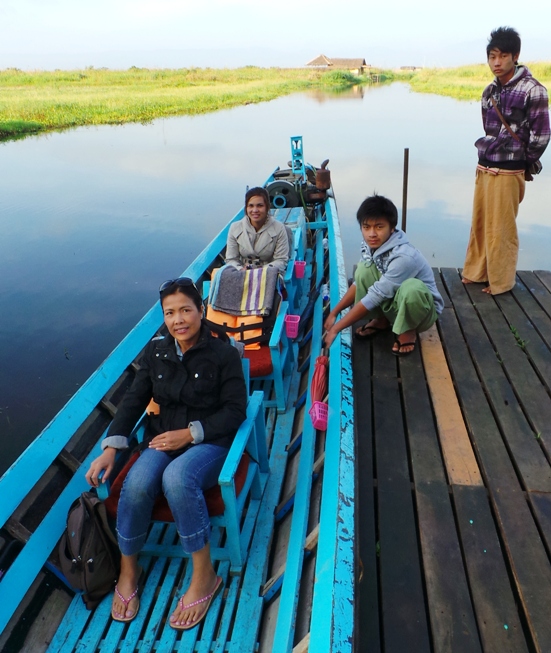
To reach most of the lakeside accommodation you need to transfer to a long-tail boat in Nyaung Shwe for a ride first down a wide canal, and then across Inle Lake itself. You will be pleased to find that the high-powered boats for tourists have padded seats, umbrellas and life jackets. The locals are not so lucky and we saw many boats that seemed well overloaded.

Floating gardens

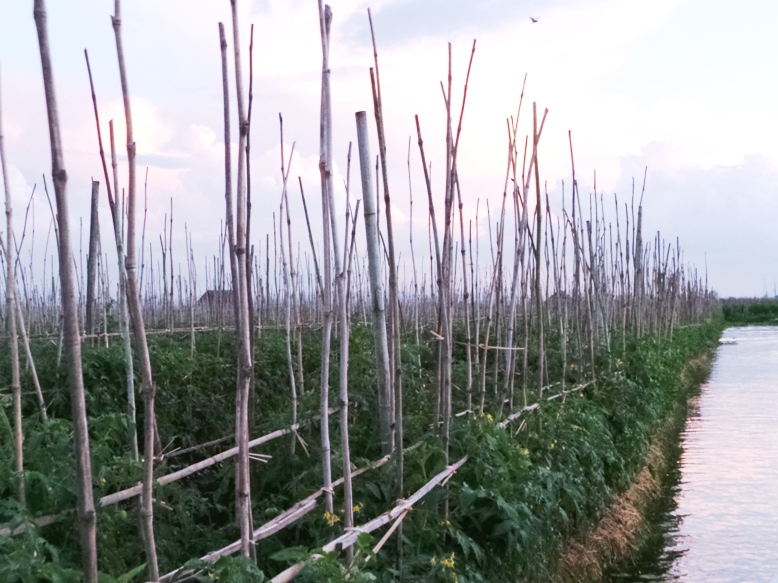
These are created by collecting weeds from the surface and lashing them together to form metre-thick floating strips. These are then anchored to the bed of the lake with bamboo poles, and heaped with mud scooped from the bottom. This means that they can be used regardless of fluctuating water levels. Crops – including cauliflower, tomatoes, cucumbers, cabbage, peas, beans and aubergine – are grown year-round.

Floating gardens

We’d seen some of the small wooden boats so piled up with weeds from the lake that they were sitting barely above the water and we’d seen groups of people in their boats working together to collect these weeds and now we knew why.

Phaung Daw Oo Pagoda

Phaung-Daw-Oo-Pagoda

The pagoda has been constructed in the traditional and elaborate Myanmar style of architecture even though it is over the water. At the centre of the monastery building is a golden stupa topped with an ornamental umbrella-shape. The interior walls of the temple are decorated with murals depicting Buddhist stories. In the central shrine in the main hall there are five small lumpy gold objects that were once recognised as Buddhas. Devotees have been placing so much gold leaf on them for so long, that the original forms are no longer recognizable.

One-leg rowers

One-leg rowers

The smooth lake, the blue sky, the small wooden boats with their huge basket nets, the rowers standing tall, leg and oar moving as one, make for a thrilling encounter. The rowers are men who stand in the stern of their boats with one leg wrapped around a single oar moving it steadily back and forth in an easy rhythmic practiced motion. Theories as to why this method of rowing evolved range from it providing both hands free for handling the fishing nets, to needing to stand to be able to see the reeds and weeds in the water ahead.

Local markets

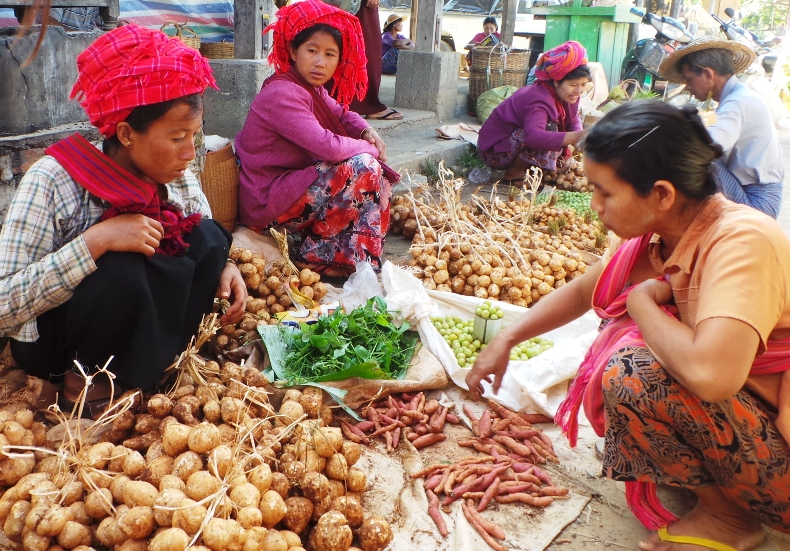
The markets in the Inle Lake area move each day from one of five locations to the next, ranging from Nyaung Shwe at the north end of the lake to Nam Pan towards the south end. Farmers come from all around to sell their produce, traders come to buy in bulk, and families come to do their regular household shopping. It is colourful and there is a strong sense of community but it rapidly gets crowded – mainly with tourists.

Market

One of the interesting aspects of the market is seeing women of the Pa-O ethnic group, the second most numerous tribe in the region. These women wear dark plain coloured skirts (lungyis) with long sleeveless shirts, cropped long-sleeved black jacketsand distinctive brightly coloured turbans.

Nga Hpe Chaung monastery

Nga Hpe Chaung monastery

It was built in the 1850’s on teak columns in the middle of the lake. It is a handsome building housing many beautiful Buddhist artifacts, and quite a few monks. Awhile back the head abbot and some of the monks trained several cats to jump through hoops, so it became known as the ‘jumping cat’ monastery to foreign backpackers. The trained cats are no more so you will just have to put up with the idyllic setting, its collection of old Buddhas from around Myanmar, and its peace and tranquillity.

In Dein

A narrow canal wound its way from the lake, initially through reed beds but later through dense jungle until finally the village emerged around a bend. It was a perfect rural scene with water buffaloes wallowing while women from the local village washed clothes nearby.

In Dein

We alighted at a small jetty and were immediately besieged by the locals who peddle their bamboo hats, “Welcome to Inle” T-shirts and Shan-style bags from little stalls. The highlight in town is a breathtaking complex of 1,094 16th century stupas, the main In Dein pagoda and the surrounding ruins which cover the dome of a hill. You reach here up a long roof-covered passage where there are hundreds of vendors. The top provides a sweeping view of the lake and surrounding farmlands.

Len Rutledge is the author of Experience Myanmar available as an e-book at http://www.amazon.com/dp/B00HPQHC5I

Famous Food You Can Try in Geylang

If you love to eat and have a plan to visit Singapore, do not miss the chance to sample foods in Geylang. This popular tourist destination is famous for its lines of food stalls and restaurants, and you can eat almost anything Asia can offer. This is because Singapore is like a small Asia, where immigrants from various parts in Asia come and blend with locals, creating unique mix of culture.

You can eat Indonesian, Malaysian, Singaporean and Chinese foods in Geylang, whether you eat at cheap food hawker stalls or in fancy restaurants. Here are some of the best ‘must-try’ foods in Geylang area.

Crispy Chicken at Moi Lum Restaurant

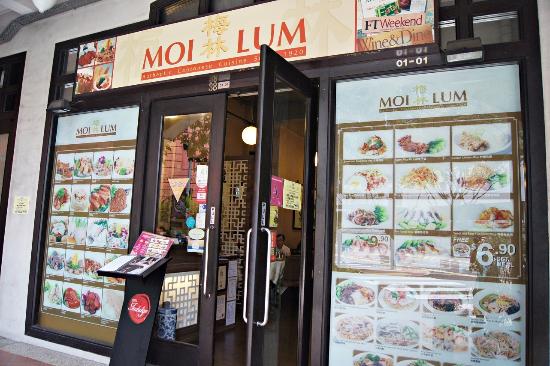
Moi Lum is a famous restaurant located in Maxwell Road, and this is a favorite place for many Singaporean families and tourists to gather and enjoy hearty meals. The restaurant is not fancy and more like a homey, family style restaurant. There are various Chinese dishes here, but the favorite is crispy roast chicken and crispy chicken skin. They both come with delicious sauce, and while the roast chicken is tender and juicy with delicious skin, the crispy chicken skin is probably better as beer companion. The taste is amazing, not too salty and very crispy as well as succulent. Address: 38 Maxwell Rd, Singapore 069116.

moi-lum-restaurant

moi lum restaurant

Geylang Claypot Rice

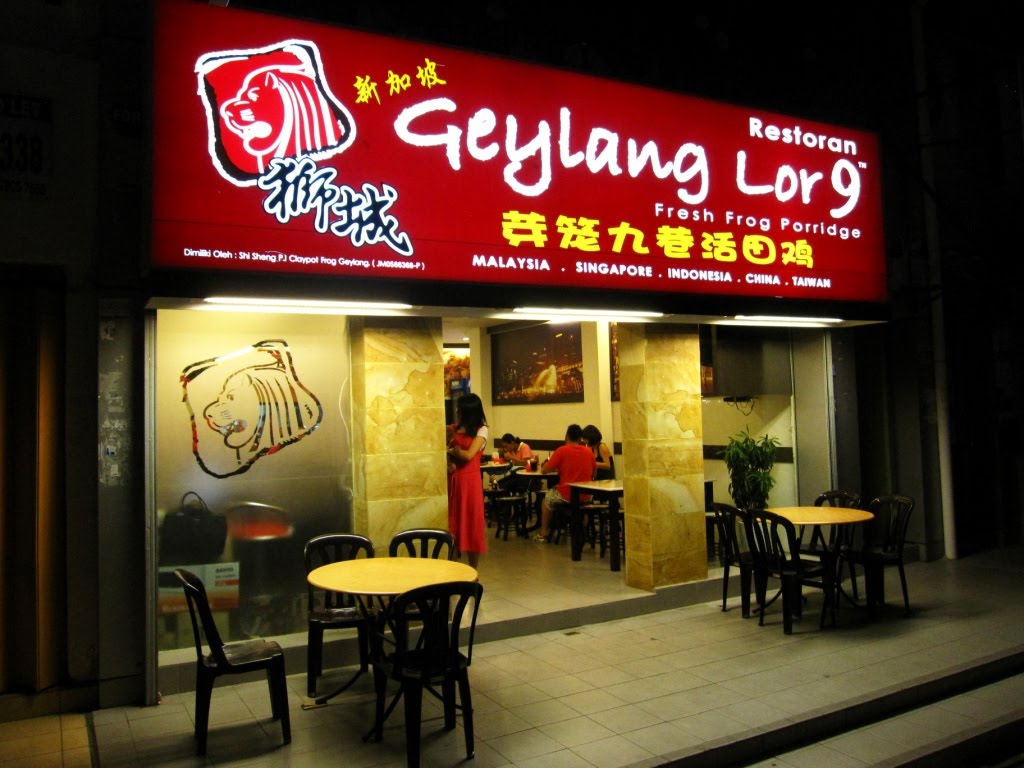
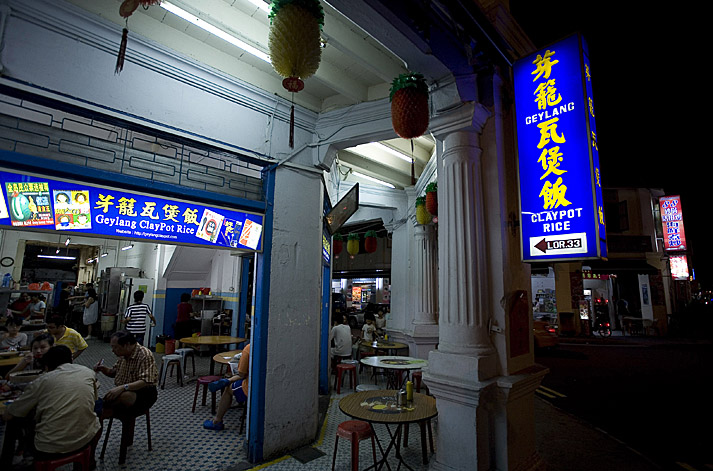
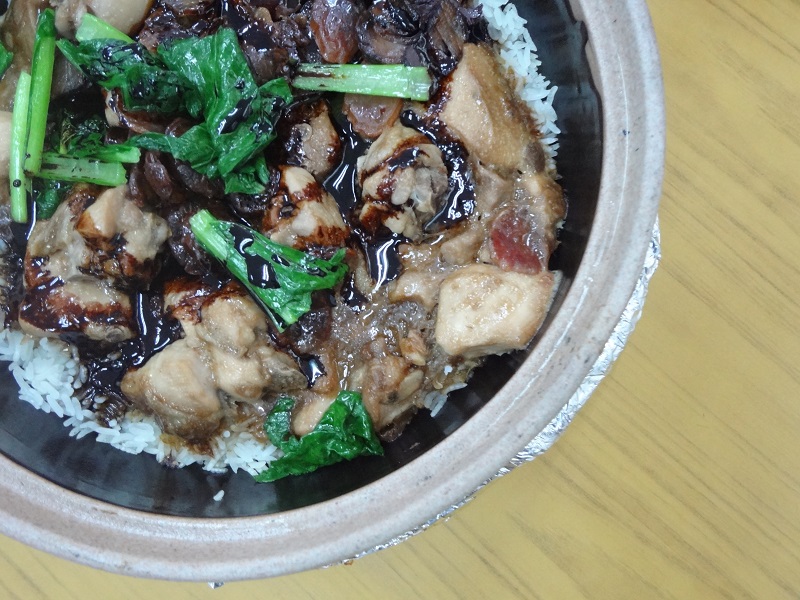
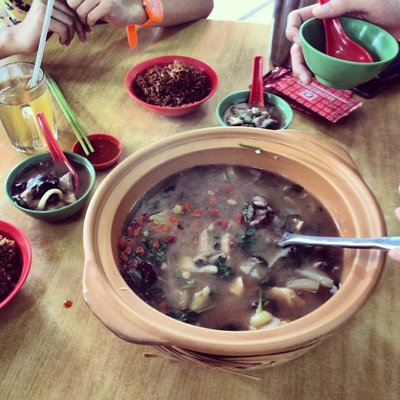
This is a great, hot and hearty dish that you can eat anywhere, but the most famous Geylang claypot rice is served in a restaurant with the same name. This dish is a combination of rice, vegetables, marinated chicken and fish, pork and traditional Chinese sausages made of pork and duck liver. Cooked in a clay pot and eaten directly from it, the dish has rich taste and it will make you feel super satisfied. Address: 639 Geylang Rd, Singapore 389570.

Geylang Claypot Rice

Geylang Claypot Rice lor 33

Smelly Tofu

This funny sounding dish is fermented fried tofu served in thin slices, eaten with condiments and sauce such as sweet and spicy sauce. The most famous restaurant that serves smelly tofu is Mini Star, which is located in 789 Geylang Road.

Mini Star Fermented Beancurd Geylang

smelly tofu

Turtle Soup

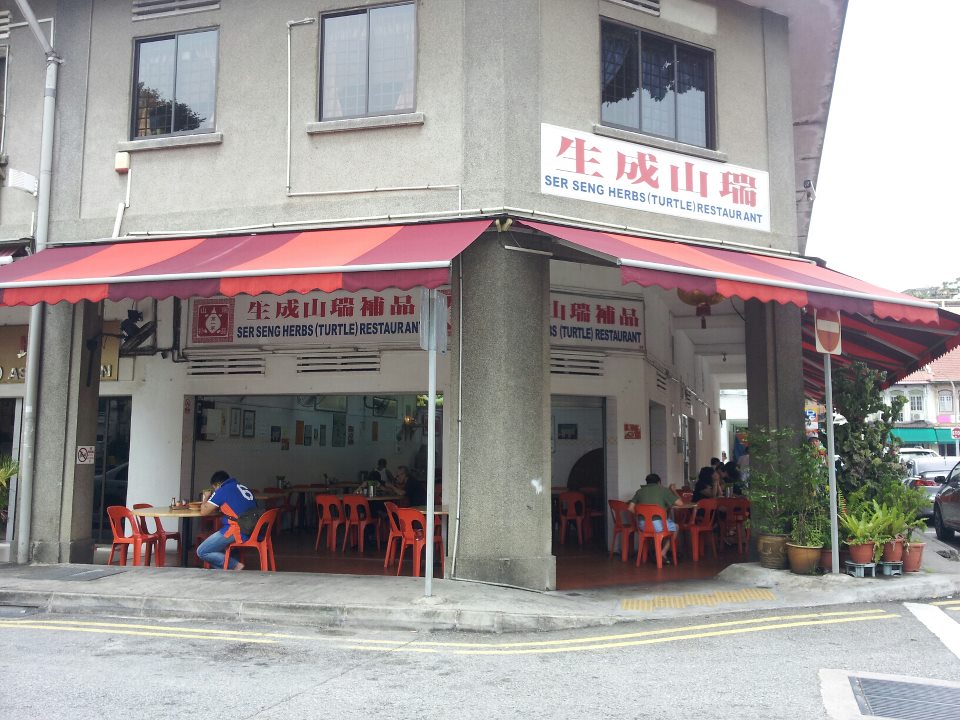
There are only few places that serve turtle soup, and one of the famous places is Ser Seng, a herbal store that also doubles as restaurant. Turtle soup is famous as a long time healthy food that has a lot of benefits in China, and it is also believed to make you live long (from the fact that many turtles can live for hundreds of years). The soup itself is probably more like chicken soup with herbal aroma, but it is the health benefits that people are looking for. Address : Lorong 21 Geylang, 29 Lorong Bachok.

Ser Seng turtle soup turtle soup

Rochor Bean Curd

Rochor Bean Curd is a famous dessert in Geylang Road that is sought out by many culinary lovers. Despite the small shop, the dessert is very delicious. It is made of coagulated soymilk and it can be served hot for breakfast, or cold for delicious dessert. The cold version is sometimes served with gelatinous pearls. The shop also sells other soy related snacks and dishes such as tofu fries and fried bread. Address: 745 Geylang Rd, Singapore 389653.

Rochor Bean Curd Geylang rochor-beancurd-house

So, if you are in Geylang, do not forget to visit these places and try their unique dishes. Of course, while you are in Singapore, you do not want to miss a chance to taste durian, the king of fruit.

Tanjung Puting, the Sanctuary for Orangutans

Summary: One of the most prominent natural parks in Borneo, Tanjung Puting is also a beautiful sanctuary for orangutans and a great place to learn about environment.

It is not a secret that forest in Indonesia is in threat of extinction due to activities, such as illegal logging, which even has reached national park. Therefore, many efforts have been made to increase people’s conscience and knowledge about environment. Tanjung Puting is one of the national parks in Borneo Island, in West Kalimantan area in particular. The forest is a part of Indonesia and becomes a sanctuary for various plants, trees and animals species, including the orangutans.

Tanjung Puting is a very important national park in West Kalimantan, because it serves as a sanctuary for rare species of plants and animals. Despite damages from occasional forest fire and illegal logging, many efforts are made constantly to prevent further damages and combat illegal logging. Opening the park for public education is one of them.

Family-Tree Orangutans

History

The national park has existed since 1937, when the Dutch government turned it into sanctuary for orangutans and proboscis monkeys. The park size is 415.040 hectares, and the national park consists of sanctuary, production forests (for certified logging and plantation) and water area. Since 1984, the sanctuary has been declared national park by Indonesian government.

Ecosystem, Animals and Plants

Tanjung Puting National Park is a rich ecosystem, consisting of lowland tropical forest, dry forest, swamp area, mangrove forest and coastal forest. The rich ecosystem layers in this national park create heavens for various species of plants and animals and make this park one of the richest tropical national parks in the world in terms of species and ecosystem types.

Tanjung Puting National Park

The national park is a house for many distinctive species of animals and plants, and many of them are endemics or they cannot be found naturally in other areas except West Kalimantan. Here are some plants and animals you can find in this national park.

  • Animals

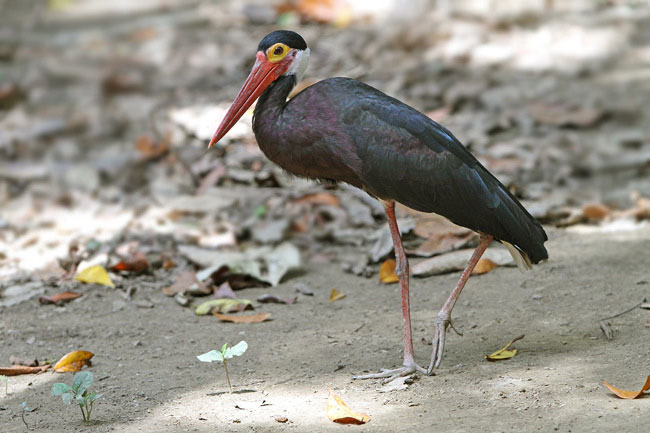
Tanjung Puting National Park is a home for more than 35 species of animals, and many of them are extremely rare. For example, sindang lawe bird (Ciconia stormii) is declared as one of the rarest birds in the world, and the bird does not exist anywhere but in this area. In addition, the great Alba birds are among the most abundant here.

Ciconia stormii

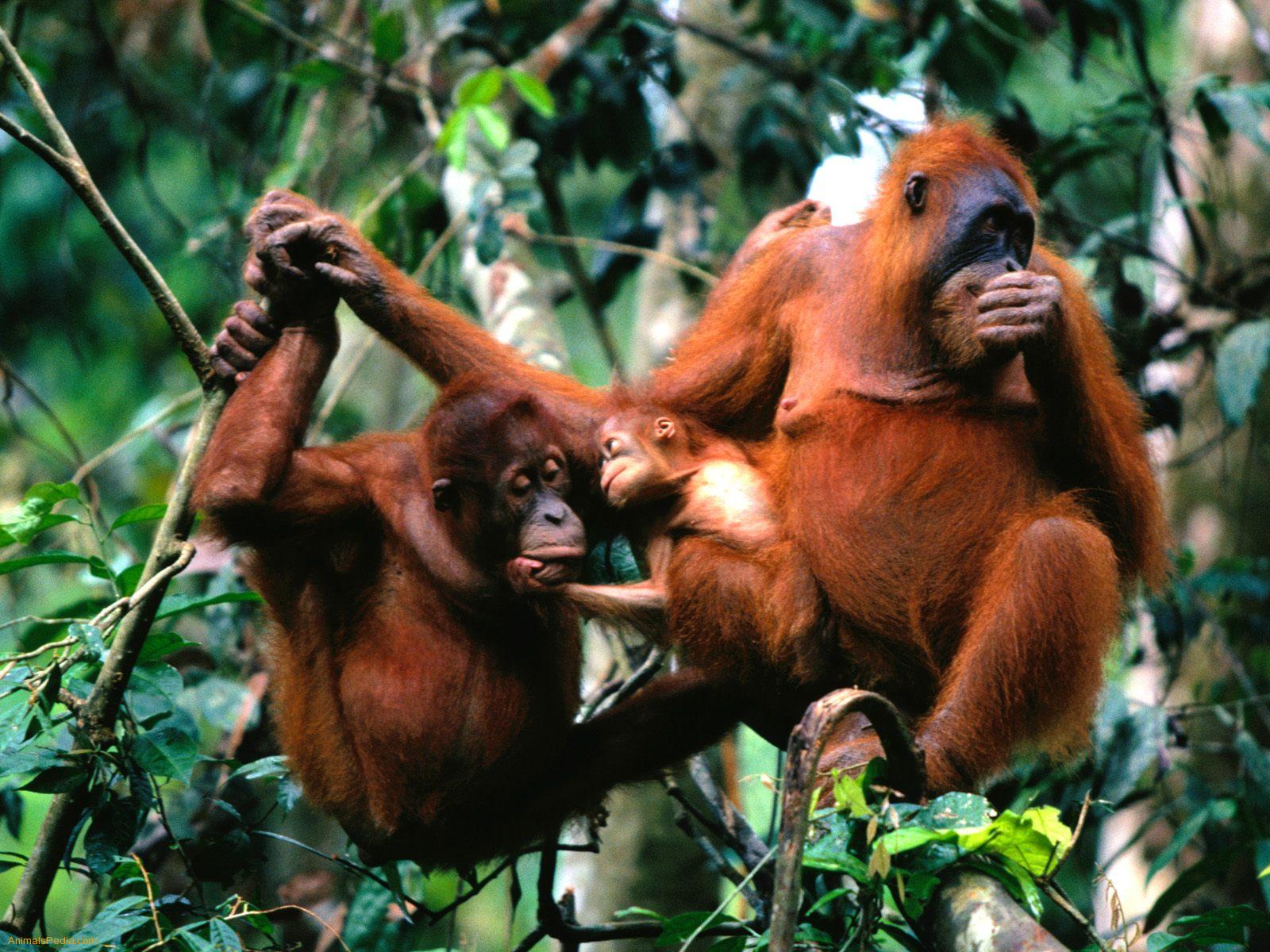
Tanjung Puting National Park is commonly known as a sanctuary for rare mammals such as sun bear, deer, mouse deer, dugong, proboscis monkeys and of course the orangutans. In fact, there is special facility in this park with the main mission to increase the population of orangutans in Kalimantan.

proboscis monkeys

  • Plants

Tanjung Puting National Park is a home for various trees, which often become target for illegal loggers such as the Shorea species (meranti), Dipterocarpus species (gaharu), Nipah trees, rattan and mangrove trees. There are also unique plants such as the bug-eater plant Nephentes (Kantong Semar).

Nepenthes-edwardsiana

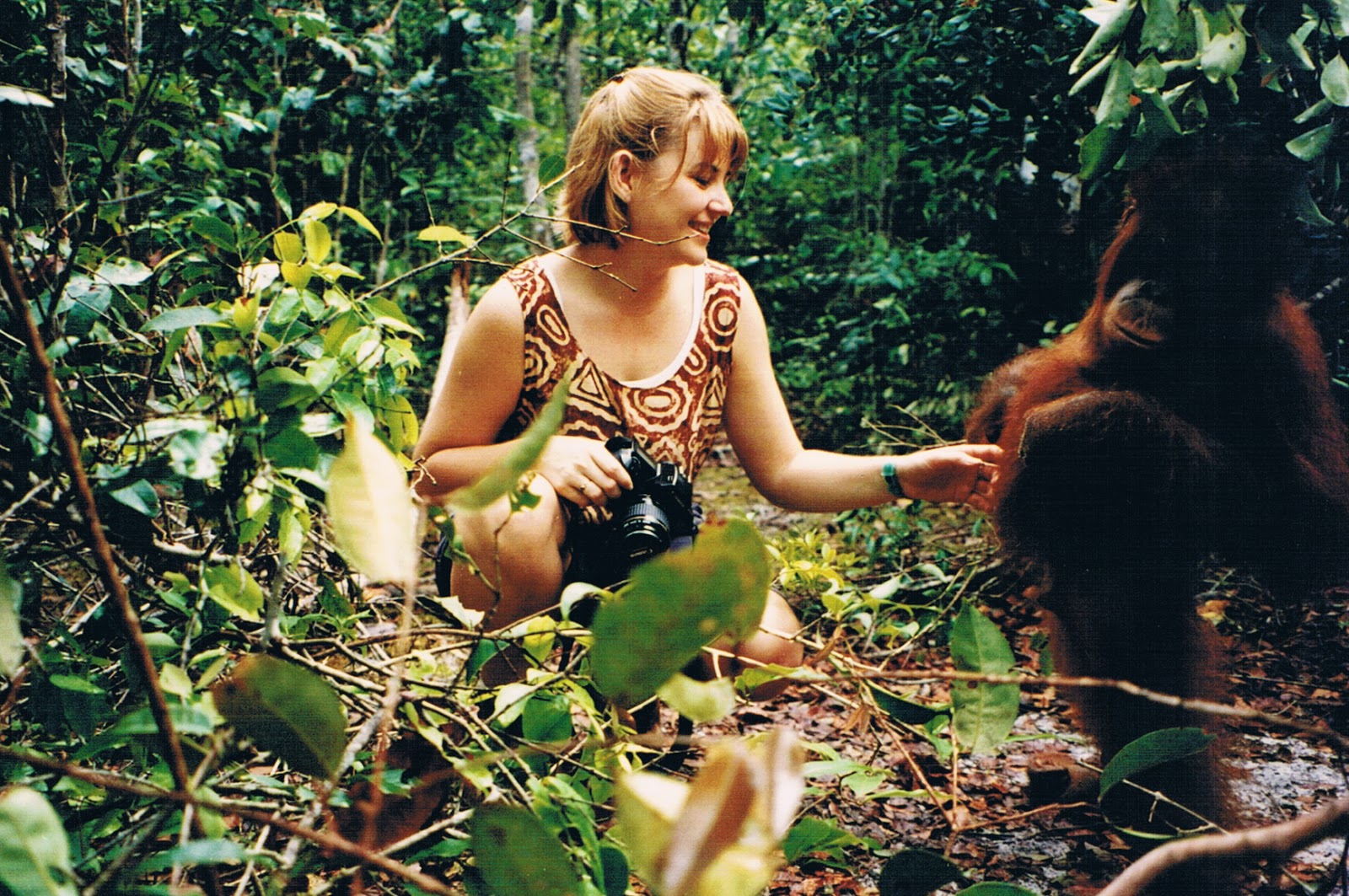
Now, Tanjung Puting National Park is open for public, as a facility to educate people about environment and ecosystem. People can also come to the orangutan research facility called Camp Leakey to learn more about orangutans and see the species that are taken care of before being released. They can interact with the orangutans, including feeding them and taking pictures.

Chinese New Year Customs in Indonesia

Summary: Indonesia has large Chinese populations, and Chinese New Year customs in Indonesia reflect beautiful blend between Chinese and local cultures.

Indonesia is a giant melting pot for various cultures, including Chinese. Therefore, Chinese New Year is an event that is hugely celebrated in this country. While the Chinese descendants in various areas still maintain the old traditions every year, the celebrations can also be enjoyed by other people, especially in Chinatown areas. Chinese New Year celebrations and customs in Indonesia are something you cannot miss while you are here. Here is what you can expect to find when ‘Imlek’ or Chinese New Year is approaching in Indonesia.

Gift Sets Everywhere

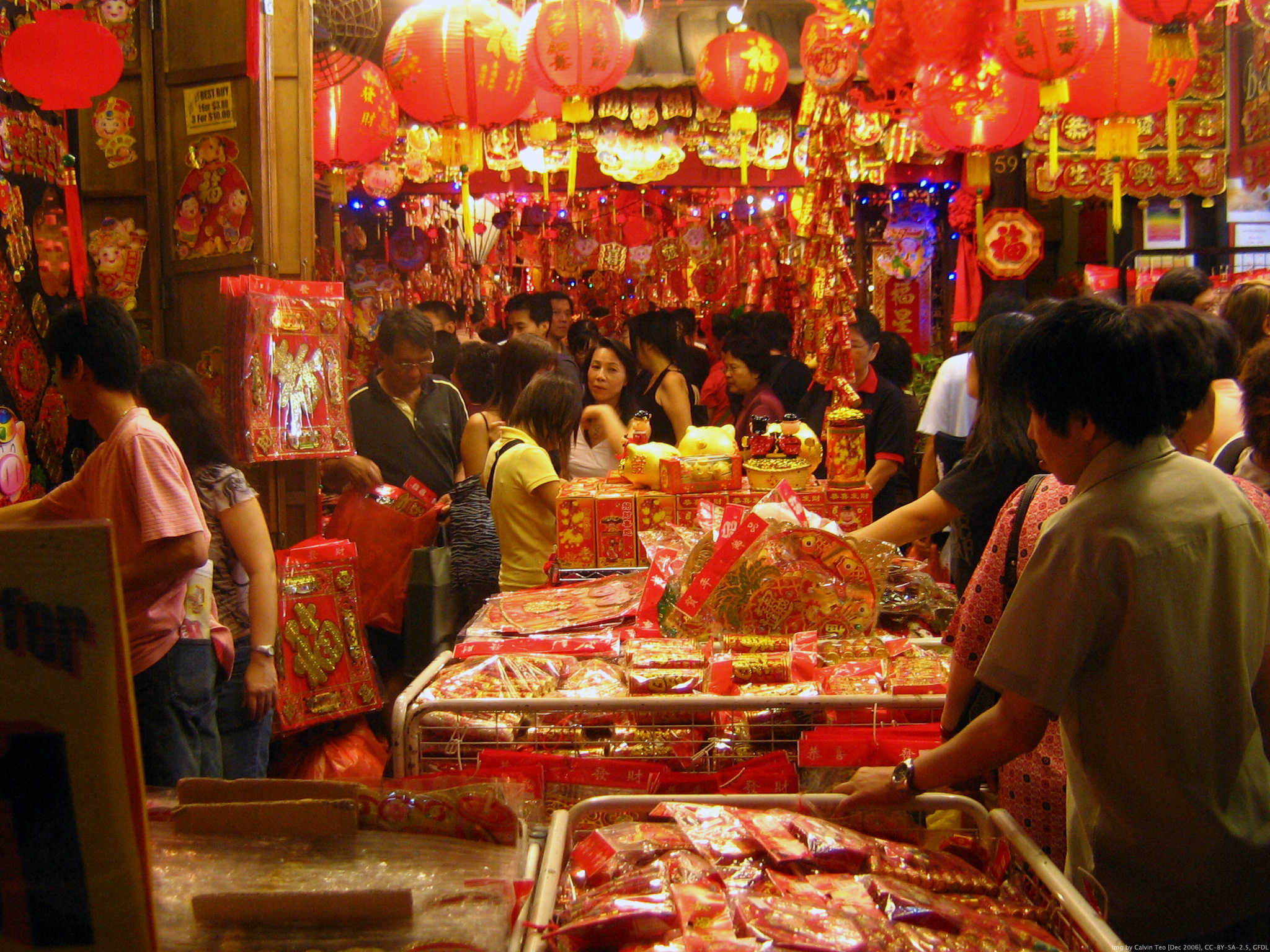
When the Chinese New Year is approaching, expect to see various department stores and supermarkets displaying various flowers, moon cakes, fruits and gift sets in beautiful packages. Even the stores that are not specifically located within the Chinatown or Chinese population area will display such goods. There are also large bunch of red envelopes people use to give money, usually to younger people. This is because gift giving is an inseparable part of every celebration in Indonesia. It symbolizes prosperity and well wishes.

Many plant shops also sell orange trees in pots as well as special flowers used in traditional floral arrangement. Flowers, in Chinese tradition, symbolize growth and prosperity, while the orange trees symbolize happiness.

chinese new year indonesia

Courtesy of  Thejakartapost.com

Traditional Foods

The Chinese in Indonesia are descendants of immigrants that came from various areas in China such as Shanghai and Guang Zhou. Therefore, you can find huge arrays of traditional foods in Indonesian markets, stores and Chinatowns when the Chinese New Year is approaching. Here are some examples:

  • Fish; this is a type of food commonly served in many tables during Chinese New Year. Fish symbolizes prosperity and happiness because the Chinese character for fish is similar to the word ‘abundance.’ The fish is usually served whole, in sweet and sour sauce or steamed. Whole fish symbolizes family togetherness. It is no wonder that fish prices are often hiked up in many markets when the Chinese New Year is approaching.

fish dishes chinese new year

  • Jiaozi; this is a type of meat dumpling traditionally served in northern China region. The dumpling name symbolizes a phrase that means the last meeting on the last hour before the New Year comes.

jiaozi dumpling

  • Sweet Tray; red trays full of various sweets from fruits, seeds and peanuts are often sold in various stores near Chinese New Year, because they are traditional foods to serve in many houses or given as gifts. The trays symbolize togetherness, good luck and ‘sweet’ beginning of the year.

sweet tray chinese new year

  • Whole Chicken and Noodle; they traditionally represent long life and prosperity, but to achieve the true meaning, both foods must be served whole. The chicken should not be cut up and must be served with the head. Noodle is not cut; therefore, it becomes super long in your bowl.

chicken chinese new year


chinese-new-year-noodles

Festivities for Everyone

One beautiful aspect about Chinese New Year customs in Indonesia is that the celebration is for everyone. Families may gather for private moments, but the entire spirit of celebration belongs to everybody. Chinatown will be packed with people, including tourists, who want to look for various delicacies and goods that are usually just sold during this special moment. Lion dance and various performances are held in many venues for everyone.

lion dance

The delights of Yangon, Myanmar

Words: Len Rutledge   Pictures: Phensri Rutledge

Yangon, the largest city in Myanmar, is green and cool with lush tropical trees, shady parks and beautiful lakes. As it rapidly develops it has also acquired traffic problems, poverty and signs of international commerce. On first sight it is a typical Asian city, but you quickly realise that it is less modern than its Asian peers and it has its own calm culture.

The city right now feels like a frontier town in transition. The locals still dress in traditional longyi and only a small percentage own a mobile phone, yet shiny new apartment blocks are springing up between the peeling colonial facades, traffic jams have become common in some areas, and pizza and donut shops are appearing.

Yangon can be enjoyed by just walking its streets. The sights, smells and sounds will be strange to most visitors. You will see women with a yellow-white paste on their faces, vendors selling betel nut, and ancient buses and taxis blowing exhaust fumes over everything. The city, however, does have its ‘not-to-be-missed’ attractions and here are some suggestions.

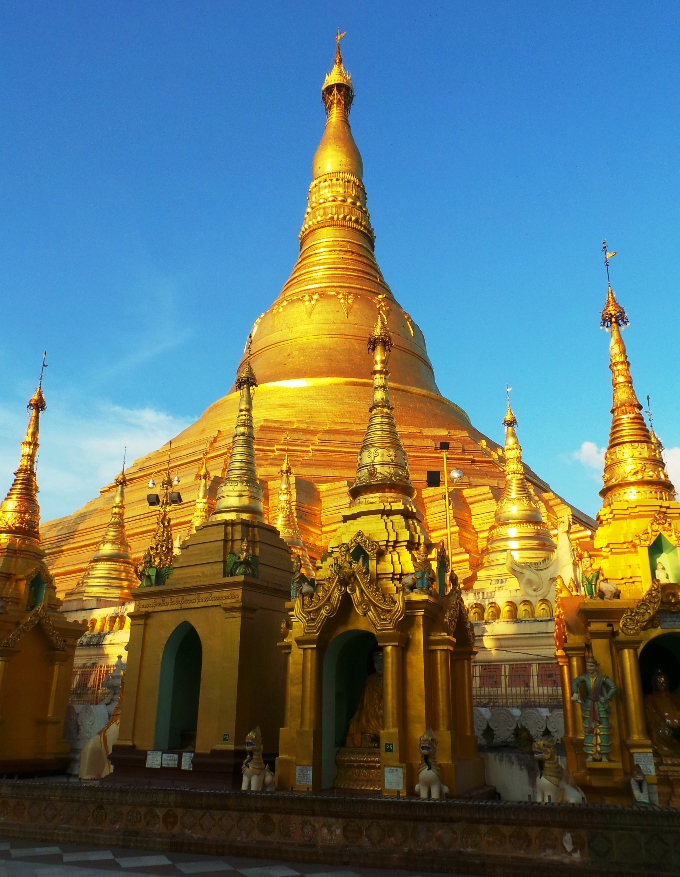
Shwedagon Pagoda

Shwedagon Pagoda

Few religious monuments in the world are as impressive as Shwedagon Pagoda, with its gigantic 99m golden stupa. The pagoda can be visited at any time during the day but early evening is best, when the sunset light has a transformative effect on the gold-encrusted stupa and the many subsidiary shrines. The pagoda is covered with hundreds of gold plates and the top of the stupa is encrusted with diamonds and rubies and other precious gems, and a 72 carat diamond at the very top. The whole compound is huge and glorious, with an astonishing array of carvings, statues, parks and gardens, ponds and devotional spaces.

Colonial buildings

Colonial buildings

Quite a number of old public buildings built in the time of the British occupation still remain although many are presently empty and are rotting away. For many visitors they are one of the major attractions of the city and it is hoped that most or all can be saved and recycled in the near future. The Yangon City Hall, next to Sule Pagoda, is one that is being used and it appears to be in reasonable condition. The old Supreme Court (1910) to the south-east is painted in red and yellow but it is looking rather sad. A short distance to the south is the famous Strand Hotel which was constructed in 1901 and was among the best hotels in Asia when it opened. Perhaps the most impressive building of all is the old Ministers’ office, which occupies a whole city block.

Kandawgyi Lake

Kandawgyi Lake

This is a very attractive artificial lake, located east of the Shwedagon Pagoda, which is surrounded by the Kandawgyi Nature Park, and the Yangon Zoological Gardens. The lake and the surrounds provide a quiet, quite beautiful environment and great photographic opportunities. There are long wooden walkways built over the lake which provide nice views. There are several lakeside restaurants serving local food at reasonable prices which are very popular with locals.

Chinatown

This is probably the busiest area of Yangon. It is centred on Latha Road in the western part of downtown but it spreads across several blocks in each direction. The shops, with their bright neon lights and garish advertising, are a seething mass of people during both daytime and evening, and restaurants abound. It is an extremely important commercial centre especially for gold, jewellery, electronics, mobile phones, consumer goods and groceries.

Chinatown

19th Street is packed with restaurants and roadside barbeque vendors selling all manner of dishes. Aging buses run on the east-west streets while pedestrians and vendors cram the north-south streets seeking and selling fruit, vegetables, fried snacks and more.

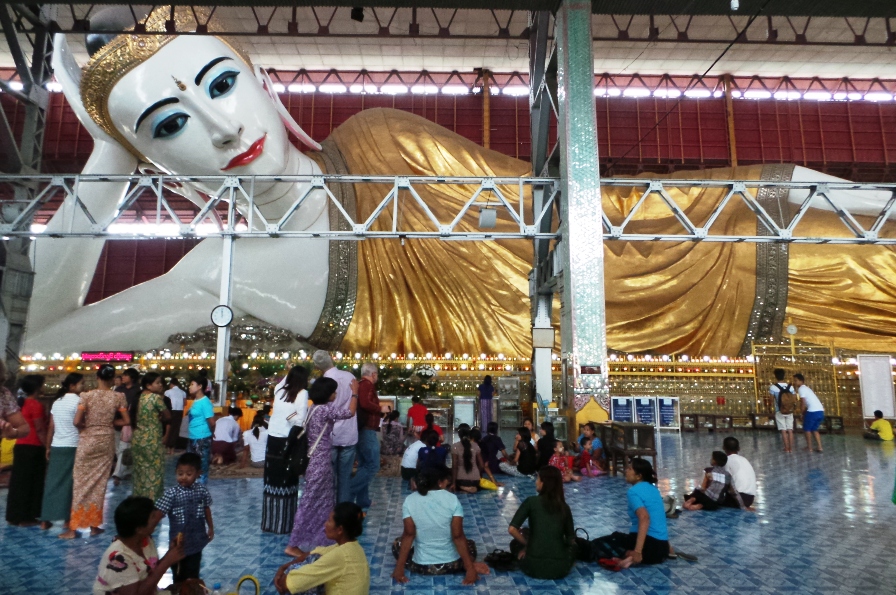
Reclining Buddha

Reclining Buddha

The 72 m reclining Buddha image in the Chaukhtatgyi Pagoda is one of the biggest reclining Buddha images in Myanmar. Originally built in 1907, it was demolished and rebuilt in the 1960s. The Buddha image is wearing a golden robe and has a white face, red lips, blue eye shadow, and red finger nails. The soles of the feet contain 108 segments in red and gold. Buddhist people burn incense sticks and offer flowers to the Buddha then pray to the shrine belonging to the day of their birth.

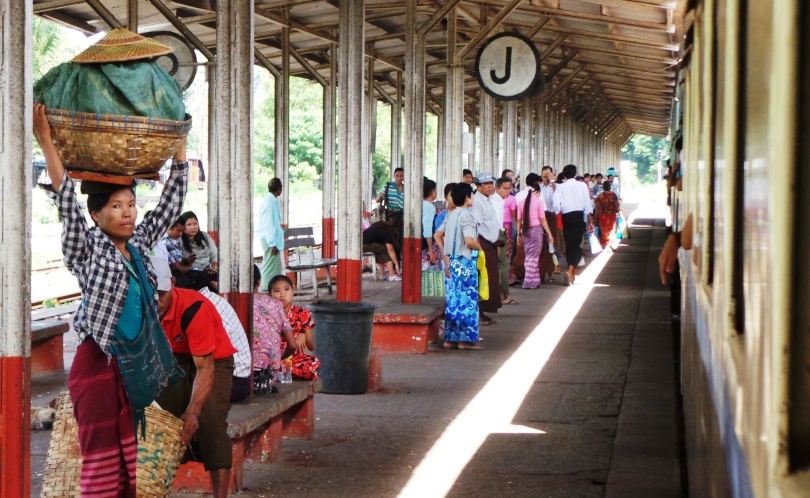
Circular railway

Circle train

There is a very slow circle train which travels around Yangon and takes about 2.5 hours to complete the trip. Trains go in both directions approximately every hour. Most have wooden seats and no air-conditioning and visitors are encouraged to use one particular carriage which is slightly more comfortable than the others. Locals are also allowed to use this car provided they have few parcels. The rest of the train becomes very crowded but this can provide an insight into local life.

Downtown streets

Street activity

The city’s street life always makes an impression on me. I find the street-side stalls, where diners tuck into bowls of steaming noodles; the ancient, overloaded, buses jostling for space at junctions with trishaws, trucks and taxis; and the open-air markets, where traders squat beside piles of fresh produce, to be quite fascinating. You can stop for refreshments in a traditional Burmese teahouse before enjoying the priceless treasures at the impressive National Museum and it can be fun to join the crowds milling around Bogyoke Aung San market or the various ferry jetties.

Len Rutledge is the author of Experience Myanmar, available as an e-book at http://www.amazon.com/dp/B00HPQHC5I

Unique Traditions of Three New Years in Indonesia

In Indonesia, people recognize three types of New Year celebration; the ‘regular’ New Year every January 1st, the Islamic New Year and Chinese New Year. This is because Indonesia is a huge melting pot of various ethnicities and cultures, so all of these three events are celebrated hugely. Unique New Year traditions in Indonesia are varied depending on who celebrate and where they celebrate them. Here is a look of unique New Year celebrations of the three New Years in Indonesia.

New Year in January

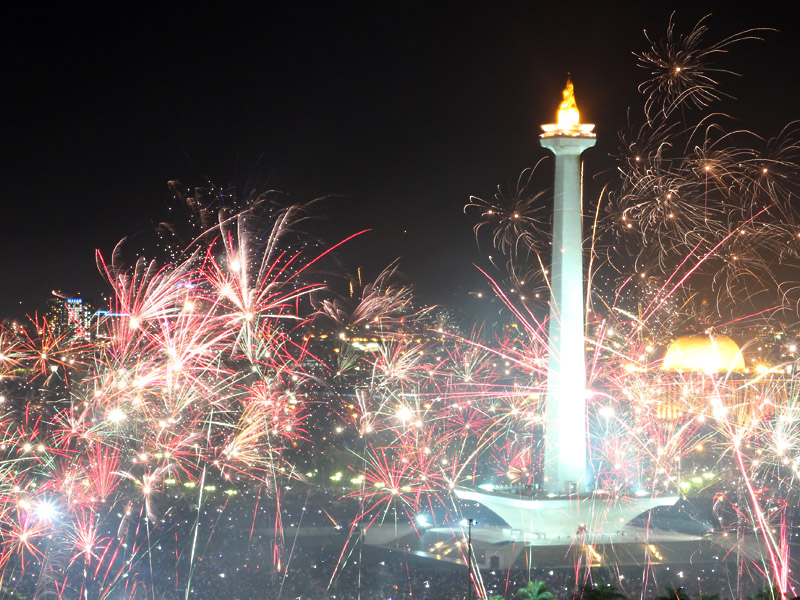
Generally, people in Indonesia celebrate New Year’s Eve by lighting up fireworks, blowing paper trumpets and joining New Year party that is usually held in hotels, restaurants, clubs, beaches or any places where huge mass of people can flock. The entertainments are mostly musical performance like the ever-present ‘dangdut’ concert, but in Taman Mini Indonesia Indah, the New Year’s Eve performances also include traditional performances.

new year jakarta indonesia

Chinese New Year

There are so many unique New Year traditions in Indonesia regarding Chinese New Year (or ‘Imlek’ according to locals). There are many traditions brought from China to Indonesia by many families, and even Chinese families who have already blended seamlessly with local life still maintain these traditions.

One unique tradition is eating a whole fish but only on one side, and he or she cannot flip the fish over to eat the fish meat on the other side. The fish will be kept to be eaten again on the next morning, symbolizing extra wealth and prosperity that will come next year. Therefore, whenever Chinese New Year approaches, fish price in various markets will be higher.

Chinese families will also avoid cleaning their houses during the New Year day, especially sweeping, because it is believed to ‘sweep out’ wealth and prosperity from their houses. They will also not eat porridge, as it is considered a bad luck since porridge is something poor people eat. Older people will hand out money to kids and youths in red envelopes, which are called ‘angpaw.’ Of course, some places become venues for Chinese dragon show or ‘barongsai.’

barongsai

Islamic New Year

The majority of Indonesian people are Muslims, so there are many unique New Year traditions in various areas related to this particular celebration. In Makassar, South Sulawesi, housewives will ‘attack’ the markets and grocery stores to buy kitchen appliances such as bowls, buckets and basins; essentially anything that is used to contain something. This symbolizes hopes for prosperity and blessing. They can buy like five buckets or six basins in one purchase, which of course make the sellers happy.

islamic new year indonesia

In Java, Islamic New Year is on the same day with the first day of Javanese calendar, usually known as ‘Malam Satu Suro.’ At this time, people will go into all night praying and meditation, often with one day fasting. In Solo, people usually flock on the street to side parade of sacred white water buffalo from the Solo palace called Kyai Slamet. Meanwhile, in Yogyakarta, there is also parade where the participants showcase sacred relics from Yogyakarta palace.

In Sumedang, West Java, people do torch parade at night, while kids lit fireworks and fire crackers. Whatever unique New Year traditions in Indonesia, all have one purpose: to welcome the new year with better self, and try to be a better person for the whole year.

Indonesian Unique Christmas Traditions You Must Know

Modern Christmas traditions in Indonesia are similar to traditions in many countries. There are sermon, presents, family gatherings and Christmas dishes. However, Indonesia’s rich culture also contributes to some unique Christmas traditions in various areas. Here are some unique Christmas traditions in Indonesia that show heavy traditional influences.

The Nativity ‘Wayang’ Story

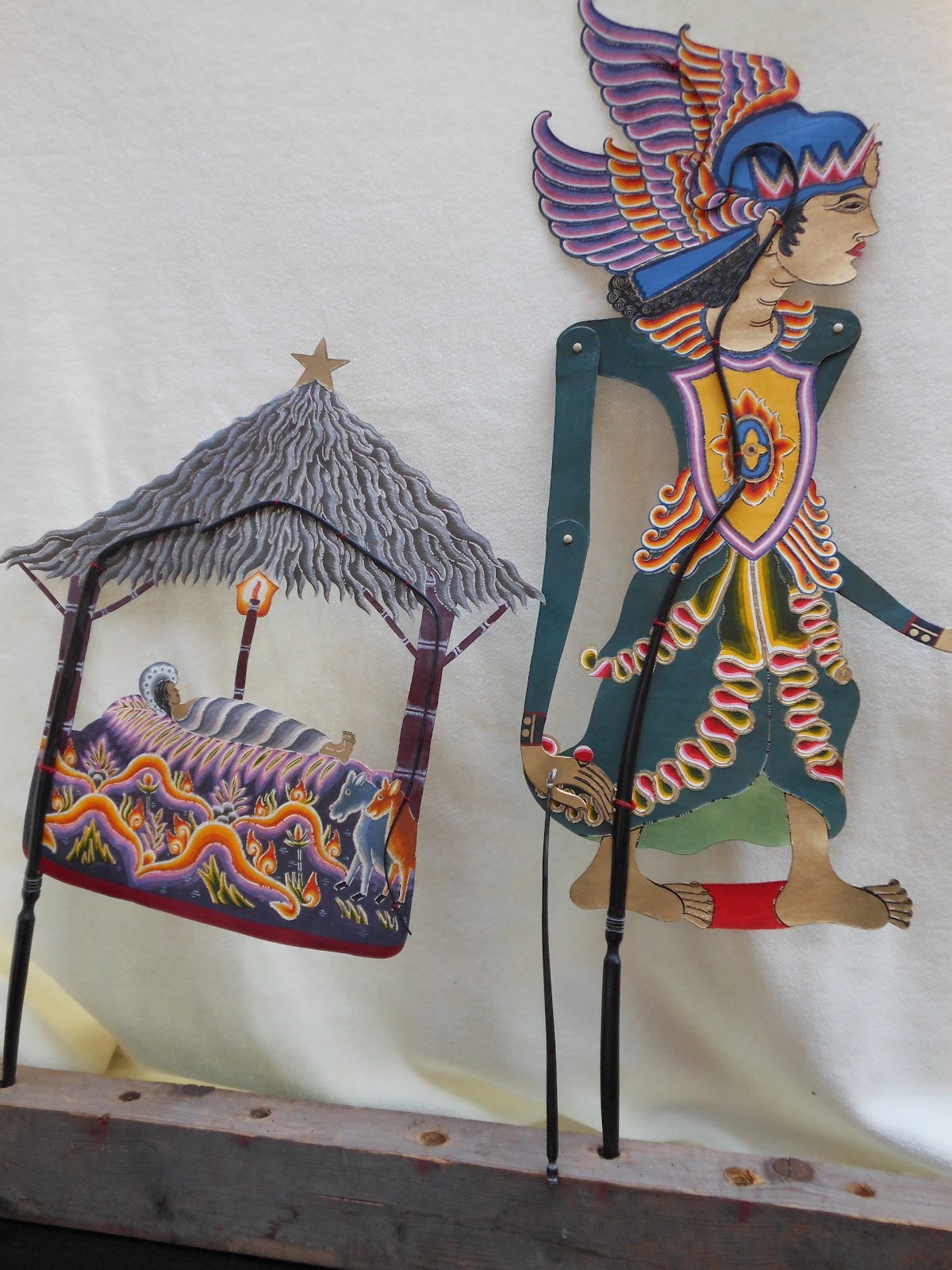
Wayang kulit, or Javanese shadow puppet, is used by the priest in Yogyakarta to retell the Nativity Story during Christmas sermon. The priest himself wears unique garb; his robe is combined with elements of traditional Yogyakarta garbs such as traditional head cover called ‘blangkon’ and batik. The language he uses is usually ‘kromo inggil’ or refined Javanese.

wayang

Stone Pig Roast

In Papua province, villagers will hold spectacular Christmas meal by roasting pigs, tubers and vegetables together in a makeshift oven from big stones that they put on the ground. The pigs and tubers are placed on banana leaves, and they are covered with stones to roast. This unique Christmas tradition in Indonesia will not make you see Christmas dinner the same way again.

pig roast

Marbinda and Marhobas

For Batak people in North Sumatra, Christmas is the time to do Marbinda, or cattle slaughtering. The cattle are bought by joined money of several people who know each other, and they usually start saving money for this purpose week before Christmas. When Christmas morning comes, they start doing the Marhobas (this is the name of the slaughtering activity). The meat will be distributed for celebration purpose.

marhobas

The Rabo-rabo Music

In Kampung Tugu area in Jakarta, there is a unique Christmas tradition called Rabo-rabo. This is conducted after Christmas sermon, in which people will play some traditional, upbeat music while walking around the neighborhood. At each house the musicians visit, people are expected to come out and join the group, and that happens until the last house is visited. Back home, family members will gather and slab some white powder on each other’s faces, as a symbol of purification. And then, the celebration continues with Christmas meal.

Manado Kunci Taon Parade

Kunci Taon parade in Manado, North Sulawesi, is another unique Christmas tradition in Indonesia that puts a new look on your usual Christmas parade. In this parade, people do not use typical Christmas garbs and decorations. Instead, they put on some garish, funny and weird costumes. The parade is held on the first week of January, but this is still considered as a part of Christmas tradition.

This parade is a closing part of the entire Christmas ritual in Manado, which usually starts from the 1st December. During those weeks, people go to sermon, pray, visit family members and pray for the dead relatives and friends at the cemeteries.

Bamboo Cannons in East Nusa Tenggara

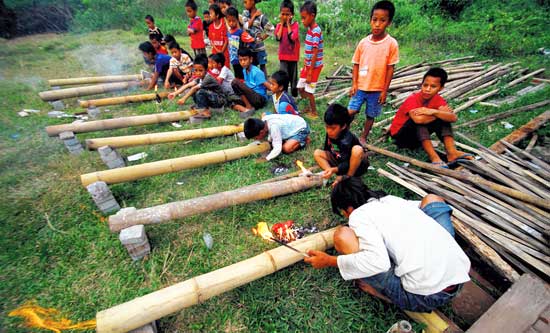
Kids and youths in Flores, East Nusa Tenggara, are delighted whenever Christmas is near, because on 24th December, they are allowed to stay up all night and play with friends. And instead of puny fireworks, they use traditional bamboo cannons to make some sounds. On Christmas morning, the sermon and celebration will start as usual (probably with some more bamboo cannons).
These unique Christmas traditions in Indonesia are definitely unlike anything you have ever seen. They prove Indonesia’s rich culture.

bamboo canon