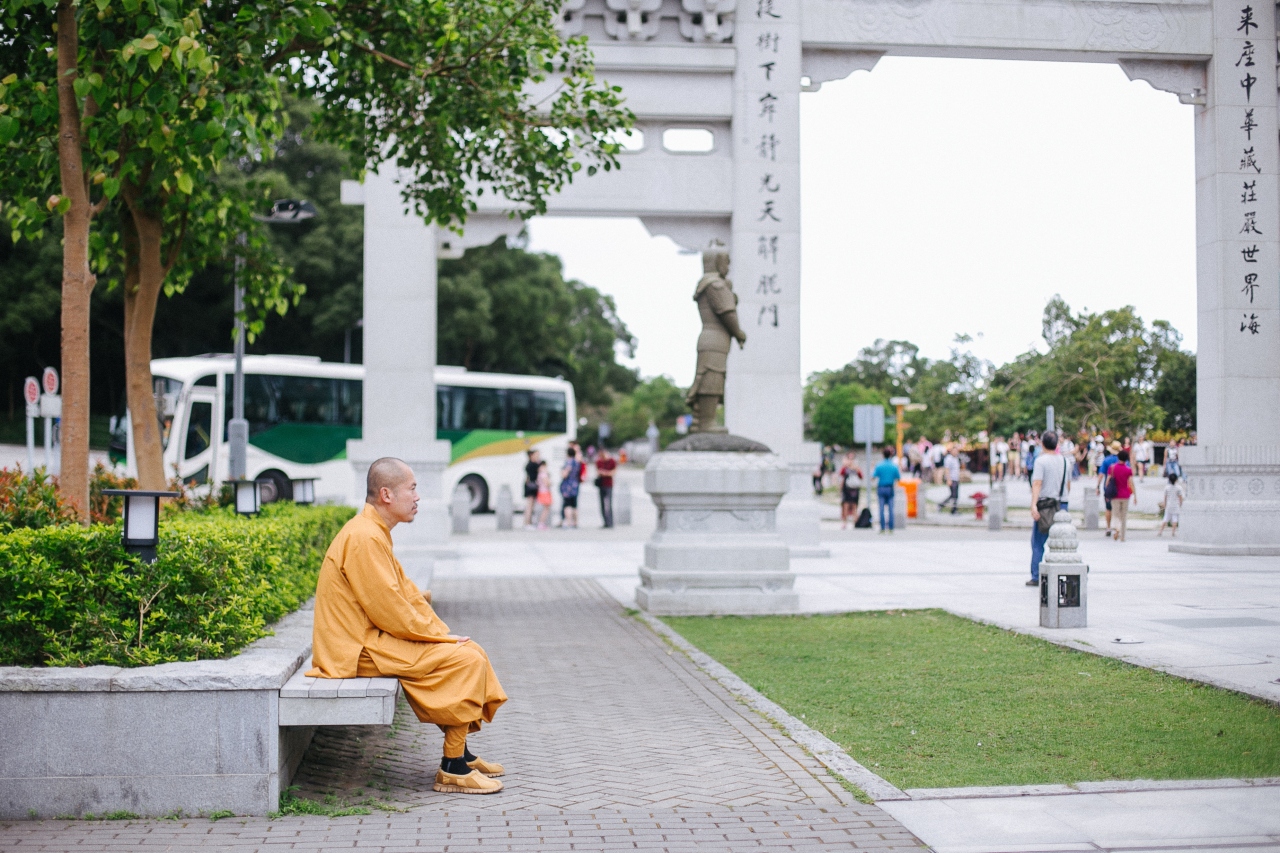
If you’re interested in traveling as more than just a tourist, getting your TEFL certification (teaching English as a foreign language) will allow you the chance to immerse yourself in many regions of the world as an English Teacher. While some countries don’t require a TEFL certification, Thailand does, so to get teaching jobs in Thailand you’ll want to decide where you’re going to get certified and what format you prefer to receive your education; both online and in-person are available, depending on where you live.
The Training
Are you fluent in English? It doesn’t have to be your first language, but you will need to be fluent and conversant in English to teach in Thailand. In addition, a college degree in any subject is preferred, but not required.
Your TEFL training can be gained in a variety of ways. You can study online or find a concentrated, in-person TEFL course in one of several major cities, here and abroad. In addition to teaching positions, there are TEFL internships to explore while you get started in your teaching career.
The Work
As an English Language teacher, you can expect a good salary. In US Dollars, your teaching payout will be between $940 and $1,300 dollars per month. That’s not much to survive in a major US city, but the cost of living in Thailand is quite low. In the Thai currency, your salary would translate to 30,000 to 42,000 Baht. You can rent a home for 5,000 Baht, and eat a meal for 50.
English proficiency is key to the leadership of Thailand, so teachers have a lot of flexibility and options. You will likely find plenty of work in the major cities, but there will be options in the outlying areas as well. No matter what you’re looking to do or how many hours you want to work, you will likely find a post that will suit your needs.
The Travel
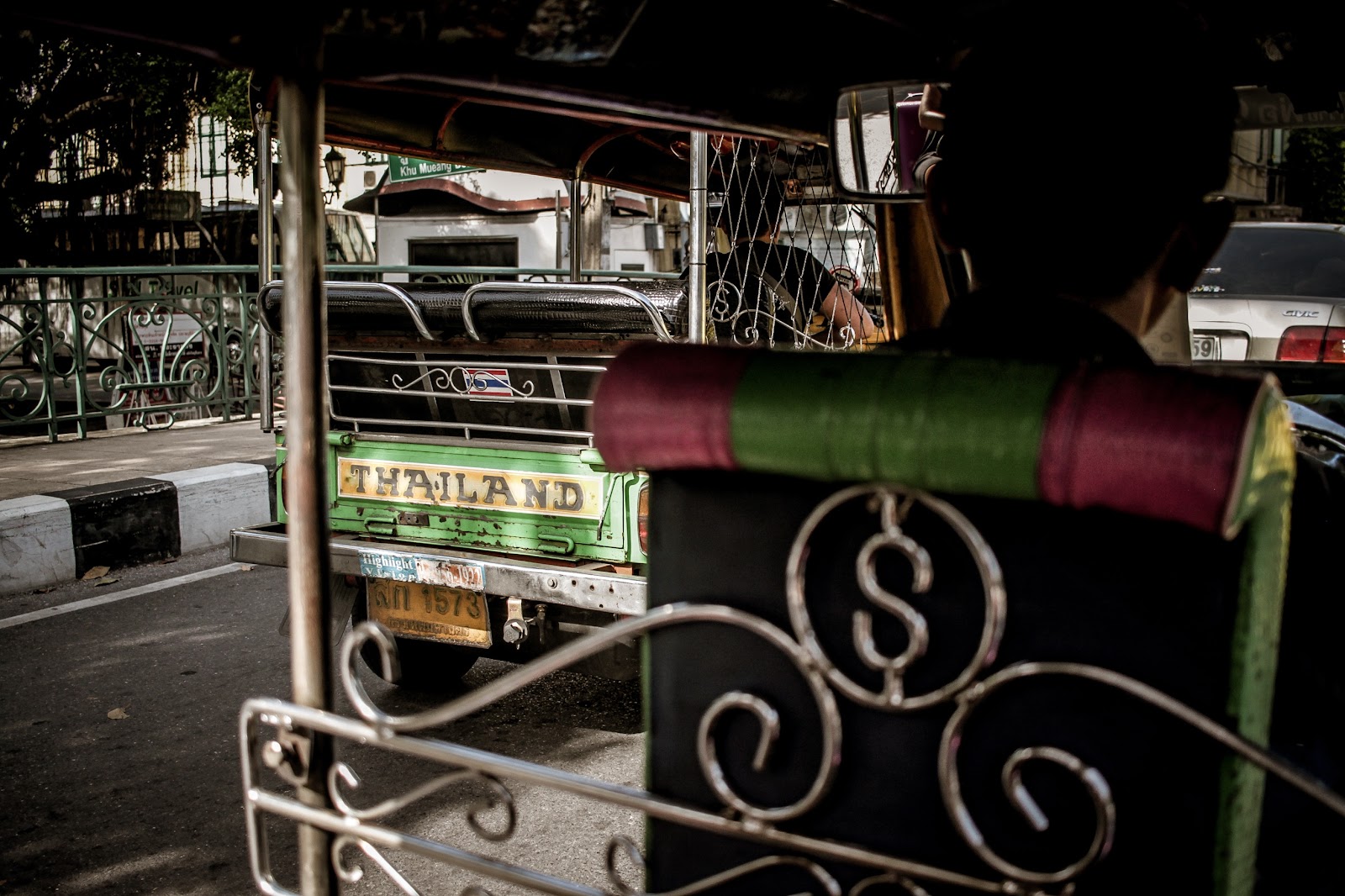
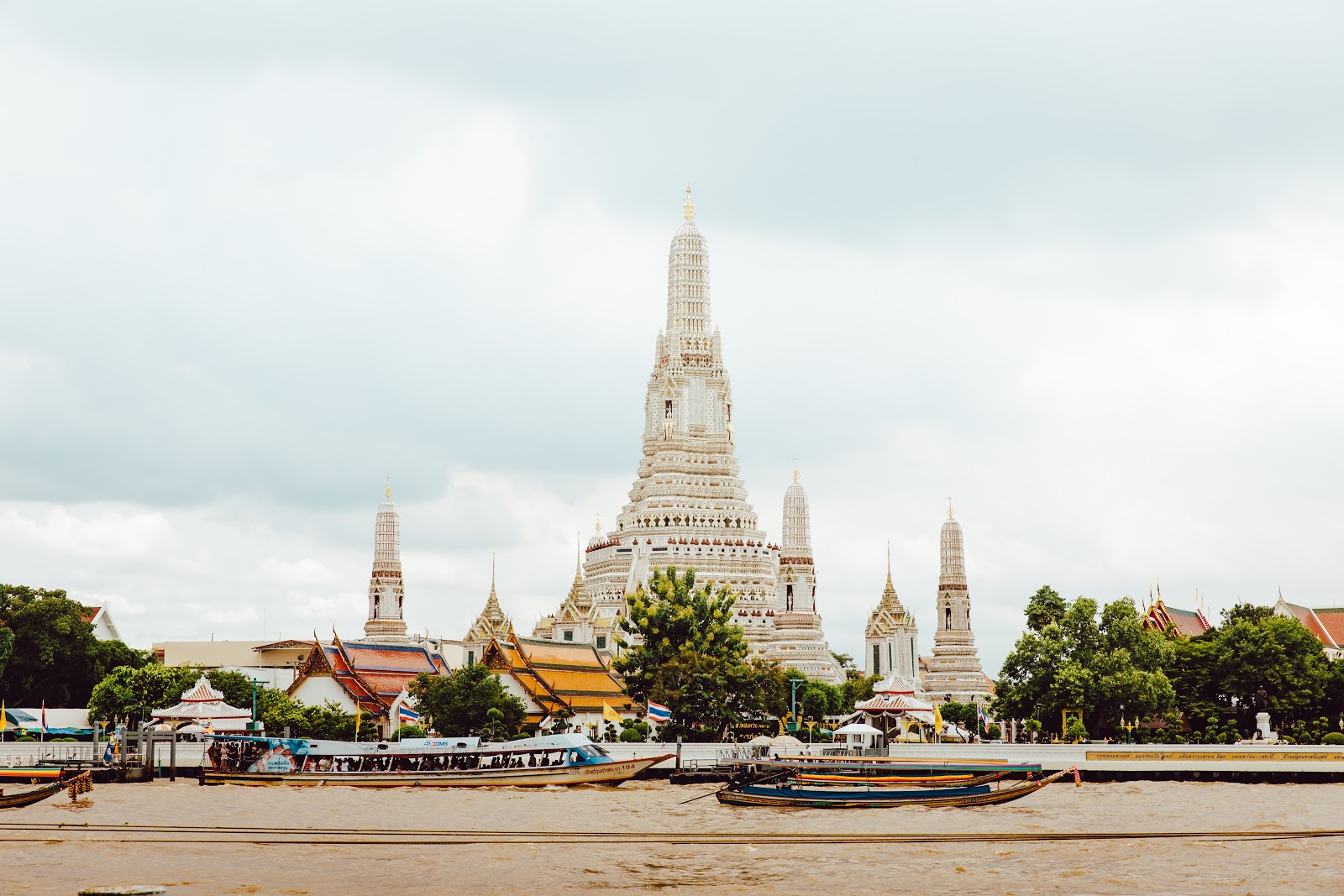
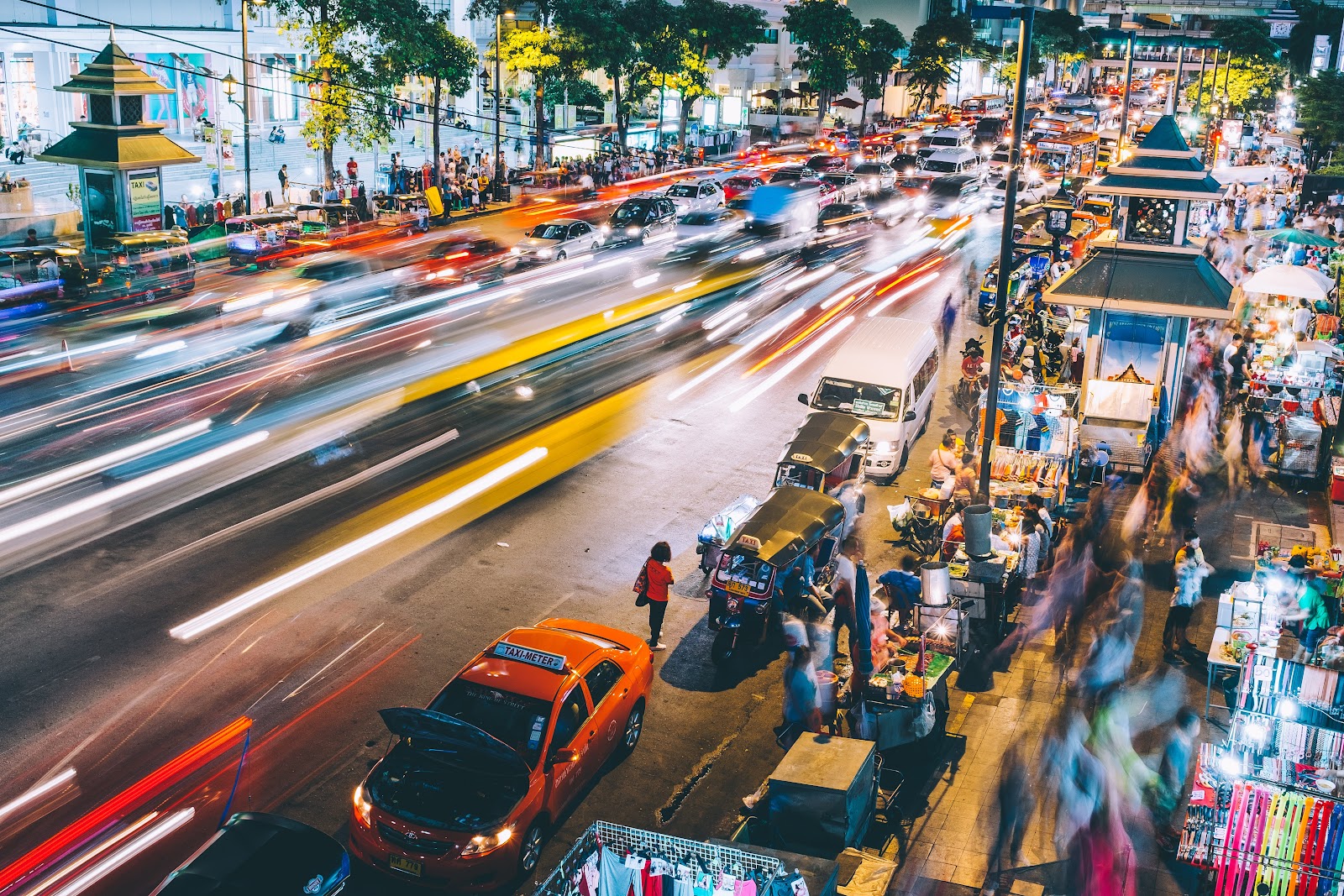
Bangkok is the capital of Thailand. If your goal is to work hard for a time and see the country when you’re not teaching, you may want to start in this travel hub. Be sure to get a lift from a tuk-tuk, or auto rickshaw. These vehicles have neither fixed rates nor seatbelts. Prepare for adventure and negotiate the fee before you get in.
The train from Bangkok to Ayutthaya offers beautiful views and a chance to visit the Ayutthaya Historical Park, a Unesco World Heritage site from when Thailand was Siam. There’s a bus as well; you can digest the scenery more slowly and save some money.
You’ll find a large community of digital nomads and expats in Chiang Mai. You can easily get around this area in a Songthaew, or covered pickup with seats. Visit the World of Insects and the Temple of the Golden Mountain. Fans of time on the beach should head over to Phuket to enjoy time in the water.
Short-term rental opportunities are a good plan when you first get to Thailand. You may want to start in an Airbnb so you can explore each city a bit. Once you have your first teaching job, consider renting a house for privacy. Rent is negotiable in Thailand, so don’t sign anything until you see the place.
Conclusion
Teachers make a difference all over the world. You, as an English teacher, can help connect the next generation of Thailand to the global community. Study the certification requirements and find a course that will suit your budget and schedule.
Travel is a pleasant exposure to keep you happy. Nowadays everyone is prone to travelling and touring new places. It is a religion and probably a lifestyle for the people in India. If you understand and plan travelling, the Indian Travel Agency will help you to make the plan successful. Have a see on some points on how the travel agents help you.
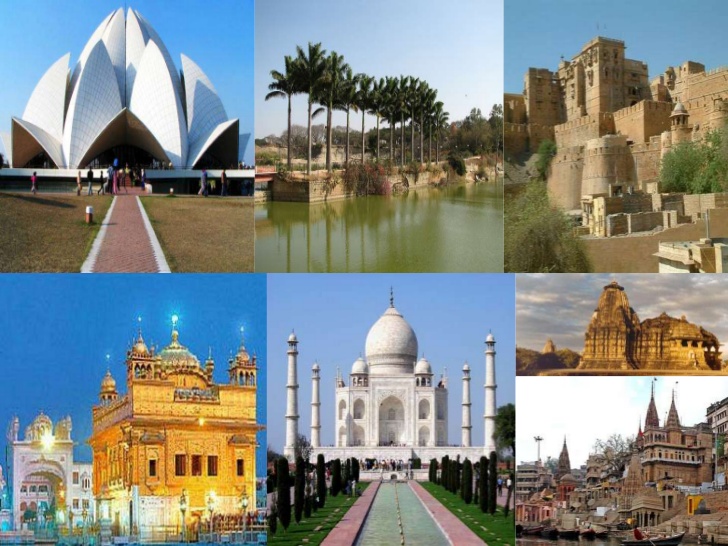
The Taj Mahal, Agra, Uttar Pradesh, India
Specialise The Travel Plan: Suppose you have planned your travel in someplace. Still, you lack some information about travel packages and other useful tips on how to sort out the travelling agenda and all. You may browse through the internet and find some accommodation, and you wonder wow! But in reality, it is quite more laborious for you to find the cheapest packages for the travel which Indian Travel Agency may show you by their experience.
Giving A Personal Guidance To The Clients: The travel agents are very loyal to their clients. In case of any arising issues, people approach them to have some reassurance on their travel. Nowadays, emails, messages and useful contents provided by the Indian Travel Agency help people understand the overall experience of travelling. Giving visitors that much attention boosts their confidence in repeated travelling.
Identify The Great Travelling Demands: It is the task of travel agencies. The quick accessibility of the travelling places is enough to show diverse experience of travelling among the people. Hence identifying the value-added services and maintaining the integrity among various people is the primary goal of the Travel Agency. This continuous effort and related procedure make the Indians keen for their next tour.
Finding The New Possibilities: In the changing world, the method of travel arrangement is also touching the new heights. Hence the travel agents must see the need of the people. They streamline with other beneficial services to give some extra effort to provide the best travelling strategy. India is such a country with numerous travelling places where a little effort can make the people convinced about travelling.
The Technology Factor: It is useful to manage travel hoodoo more easily. The support team is always available 24*7 to help you out in any issue. The supplier tools provide the best of offers, and you may book online after watching the sample video representation on the websites. The travel agents are available to make your journey with fewer struggles and more happiness inside out — the valuable and compelling information you would find with the help of them. The same thing is to describe it as beneficial to have some idea about the location, pricing, etc.
While you are in travel, make your mind free from the problems in the world and ask yourself why you want to travel. While you want to become a creative person, the travel agents are the canvas upon which you dream to draw the great painting. Find your soul in the travel, and it is something to keep your mind floating in the beaches, hills, or lakes. Have a great time!
Road Trip to New York: The Experience of An American Sporting Event
New York draws in a large number of visitors all
throughout the year. Some come for the fast life, while some for its islands,
parks; and whichever reason you have, New York does not disappoint its
tourists. The Big Apple also has a lot in store for sports lovers. There is the
sports giant, Superbowl, and of course, who hasn’t heard of NASCAR! All throughout the year, NY city is bustling
with sports fans right from Times Square to every nook and corner of the city.
Sounds like the kind of place you would like to
be at? Of course! So, if you have set your heart upon living your best life in
NYC, we recommend you reach the playground via an ultimate road trip. Why a
road trip? because you could couple the prime attraction of attending an
American sports event, along with other historical and cultural venues in the
area.
However, in the States, things may be slightly complicated for first-time traveller, especially if you to drive your way there. So, in this article, we have compiled a list of tips which should get you in and around your life’s biggest sports event in NYC:
State laws:
In the US, there are two types of laws:
Federal laws and State laws. The majority of the traffic laws belong to the
state category, and hence, the rules prevalent at one state might differ from
another, and you may need to cross several states to reach your stadium. So, we
recommend you read about the state laws well in advance.
Speed Limit and Traffic Lights:
The whole of America drives on the right
side, except for the US Virgin Islands. So, this may come as a cultural shock
to people hailing from left-lane countries. Further to your shock, there are
speed limits regulated in each country, which need to be strictly followed at
all times, and the speed limits to vary from one state to another.
Additional Rules You Should Follow:
The US has some strict rules for leaving
children unattended in the car and there are mandatory rules to have the child
buckled with a proper seat belt at all times. Some states would demand you to
have a special seat for the child too, and smoking isn’t allowed inside the
car. Using your mobile is another subject which varies according to the state
laws. Some states permit the use of phones while driving, while most restrict
it to internet usage strictly, and some don’t permit it at all.
Make travel arrangements as early as possible:
New York events are very high in demand,
and hence, you should book your tickets well in advance to avoid any
last-minute issues. If you are confused or don’t know the exact event details,
then you could visit travel sites such as Sports Where I Am, which
especially look after sports lovers.
Plan out your finances:
You could book a hotel that is closer to
the venue of the sports event, but chances are that anything in a commercial
area would be expensive. New York, being the most alpha city in the world,
isn’t anything close to “reasonably priced”. Be prepared to splurge and always
keep an extra cash deposit ready. If this is your first time in New York, you
are in for surprises!
Arrive Early:
Always try to reach the spectator’s arena
before time. We would not want you to miss even a single highlight of the game.
Queues at the entrance, and deficit parking spot: Two problems that any New
Yorker knows all too well! These issues could keep you busy while your game is
afoot. Thus, most locals would reach the venue well before time.
New York is a big city and you would enjoy every
bit of the long drive. Not to forget, our cherry on the American cake: The
Grand Game, that’s been on your bucket list for so long, would finally be
checked!
New Zealand is full of amazing places and sights to see and is one
of those hidden gems that are definitely worth your time and effort. However,
this sort of trip requires a lot of planning, no matter where you come from and
how old you are, especially if you want to avoid some of the most common
mistakes tourists generally make when visiting New Zealand. So, here are five
of these mistakes, as well as some tips on how to avoid them.
Weather conditions
This is one of the most common misconceptions about New Zealand –
the weather there isn’t always warm! It’s just as changeable and unpredictable
as everywhere in the world, and this is something you have to remember when
planning your trip there. This means you have to explore the weather conditions
beforehand and get informed, especially while packing your bags.
Whether you come in the spring or fall, the chances are you’ll be
spending tons of time in the rain and wind. So, pack lots of clothes and pay
attention to layers. If you decide to go in the winter, though, you’ll have to
pack lots of warm things, as well as a jacket. Winters in New Zealand can be quite tricky, and you have to do whatever you can to avoid feeling cold
all the time.
Driving in New Zealand
Depending on where you come from, the traffic in New Zealand is
either going to be a breeze or the worst thing you’ve ever experienced. If you
come from the UK or Australia, you won’t have a problem adjusting to driving on
the left – if you come from almost anywhere else, this could take a while.
However, the main issue isn’t the side of the road you’re using, but the rules
and laws you have to obey.
People in New Zealand are very disciplined and organized when it comes to driving, which is why lots of roads are covered with road cameras. You’ll get a ticket for speeding as well because the speed limit is generally 50 kilometers per hour, which is about 30 miles per hour. In case you drive faster than that in urban areas, you might be dealing with the local police, and that’s never fun.
Using time properly
New Zealand is a huge place, and if you want to visit everything
worth visiting, you’re going to need at least a couple of months. That’s why
you have to make a proper plan and get organized before you arrive there.
Making a list of things you consider important is the best way to go, and then
all you have to do is follow your plan.
Another problem with New Zealand is its location – since it’s
quite far from basically every other place in the world, you’ll probably be
dealing with some jetlag once you get there. That’s why planning a trip that
lasts for a couple of days doesn’t make much sense at all. But, if you manage
to stay here for at least a week or fortnight, you might be having the time of
your life.
Check your mobile plan
Again, being ready is a must, especially when you’re traveling
abroad. This includes your mobile plan as well unless you want to be cut off
from the world. Some cell phones simply don’t work in
certain locations, and there’s very little you can do if you notice that’s the
case with your phone upon coming to New Zealand.
What you can do, though, is make a plan beforehand, and solve this
problem before it occurs. Getting your personal New Zealand SIM card might help you a lot, and give you a mobile plan you can rely on.
That way, you’ll be able to enjoy New Zealand even more and use all those apps
that will help you take your experience to the next level.
The best season to visit New Zealand
Even though it may not be the most popular tourist location
in the world, New Zealand is still quite popular. That’s why lots of people
come here regularly and spend time enjoying the beauties of this wonderful
place. But, because of that, there are certain times of the year when lots of
tourists arrive at once, and that’s when you should avoid coming here.
The high season in New Zealand is between December and February, because of the nice weather. However, if you come in the off-season, you’ll still get
lots of sunny days and warm weather you can enjoy, but you won’t be surrounded
by so many tourists.
As you can see, New Zealand is definitely a place you should visit
– with so many tourist attractions and amazing locations, you can easily spend
weeks here without getting bored. So, get organized in advance and make a
proper plan, and you’ll surely make the most of the time you’re about to spend
in New Zealand.
For many adventurous nomads who travel and work their way around the world, Bangkok, Thailand is a must-stop destination. With a rich blend of history and natural beauty to rival any place in the world, the country has much to offer the wandering visitor. Places to stay are relatively cheap, choices of foods are rich, diverse, and reasonably priced, coworking spaces in Bangkok are efficient and affordable, and there is always something to see or do in the city and beyond. To plan your Bangkok first time smoothly, check out the guide below.
Fresh off the Boat (or Airplane)
For visitors new to Asia generally, and visiting for the first time in Bangkok especially, the city can seem to be a bit overwhelming. Some first-time visitors who arrive to live and work in the city choose a guesthouse or hostel that is likely to offer abundant opportunities to meet other travelers and talk with locals who can offer advice and guidance to get the most out of the city while advising on how to avoid risks.
In general, Bangkok is safe and pleasant for travelers, whether backpacking nomads or first-time visitors on guided tours of the area. Some basic knowledge and common sense will help to avoid risks that are common to any large metropolitan area that is popular with tourists from around the world.
Where to Stay
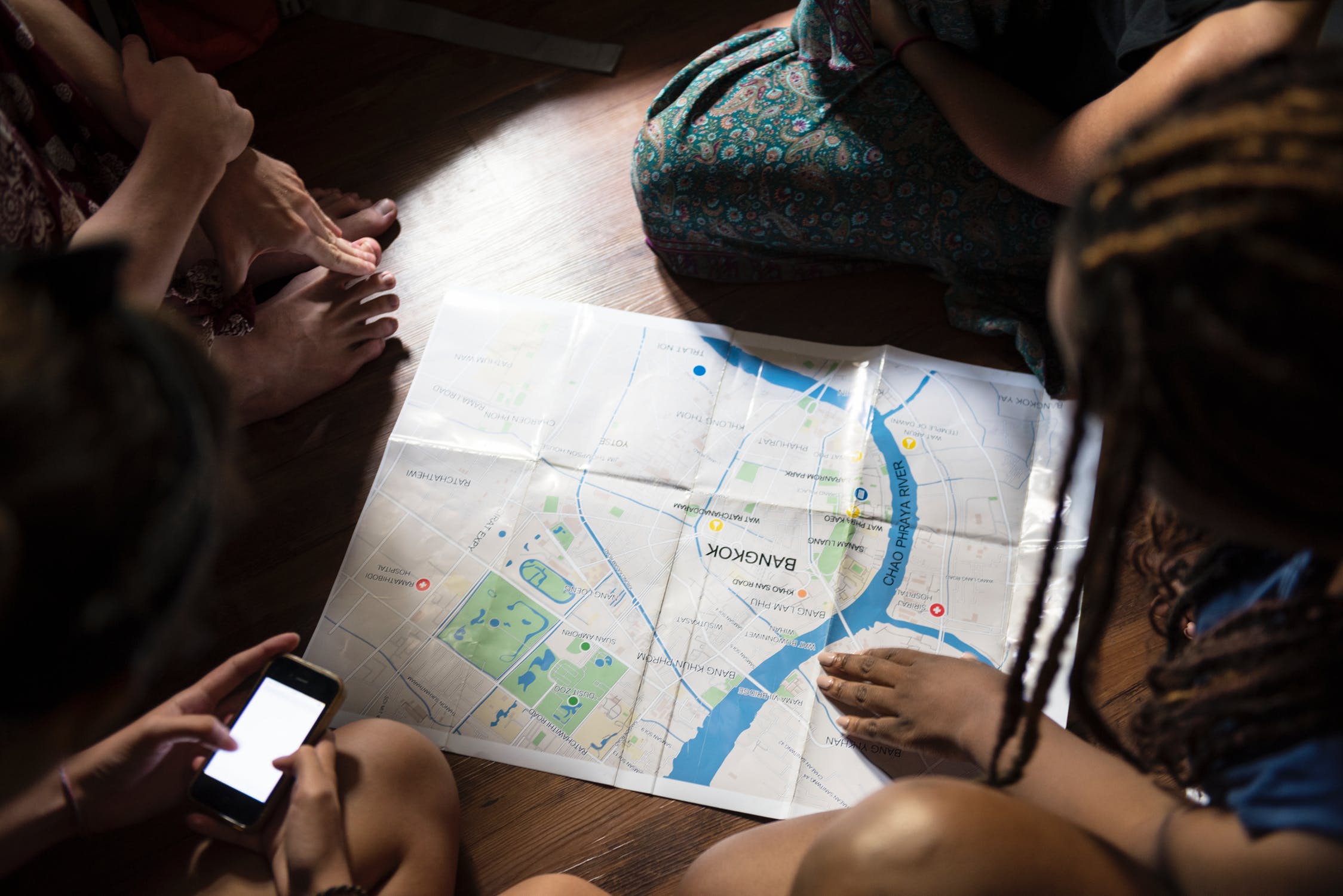
For traditional backpackers and nomads, the Khao San Road area is known as a destination in Bangkok with many budget accommodations, a wide range of food and entertainment options, and places to work remotely while in the country. In many a Bangkok guide for first-timers, hostels and guesthouses in the area are rated and ranked according to price (very affordable) and quality (widely variable). The area that attracts tourists and foreign workers has grown to stretch out to the entire Banglamphu area, with a diverse range of housing and coworking spaces in Bangkok available around this part of the city.
Beyond the traditional nomad and backpacker’s first choice area in the Khao San Road area, which some first-time visitors find too busy and commercial, there are choices of living areas near Siam Square, Sukhumvit, Thonglor, Ekkamai or Silom. From these communities, you can connect to other parts of the city by the Skytrain as a transit option.
Where to Work
With the rise of wandering digital nomads who do their work from wherever they are in the world, Bangkok has developed a network of coworking spaces and temporary office options that allow many opportunities for setting up shop on your terms. Digital nomads communities within Bangkok allow for easy access to all the modern amenities of the connection while living in one of the richest historical and cultural centers of Asia.
Getting Around Smoothly
Bangkok has a range of options for transportation, from public transit by bus throughout the entire area, or rail to some areas of the city and beyond to the countryside. Taxis are plentiful, convenient and reasonably priced (be aware to ensure that your driver uses the meter and takes a direct route to your destination to keep taxi charges fair).
You may even try a boat along the Chao Phraya River for a traditional mode of transportation from one part of the city to another. Enjoy the unique view along the waterway that has served as a transportation artery through Bangkok for ages past, viewing modern skyscrapers and traditional boats and residences along the river as you go.
Places to Go in Bangkok
Among the places to go in Bangkok, there are some classic Buddhist temples that are worth a visit. The Grand Palace, the city’s most popular attraction, offers history and culture in the heart of the city. The Wat Phra Kaew, or the Temple of the Emerald Buddha, is a stunning mosaic of glittering tiles and glass. The neighboring Wat Pho, one of the biggest and oldest temples in Thailand, which is also full of stunning works of artistry and devotion.
Among the city’s unique experiences, a historical home that should be on the must-see list for everyone on their first time in Bangkok is called Jim Thompson’s House. An American merchant and spy in the mid-twentieth century, Thompson lived in a gorgeous classic Thai home with extensive features of teak as well as lush gardens, all now preserved as a museum. The house near Siam Square is worth a visit to appreciate a part of the history of the city that seems to be of another time.
Beyond Bangkok, the entire country of Thailand is known for stunning old Buddhist temples, dense jungles, and lush beaches. Many digital nomad communities divide time between the urban experiences of Bangkok and the outlying beauty of islands, beaches, and forests that can fill an entire journey’s worth of sightseeing opportunities. For first-timers in the country, tours can introduce you to the countryside beyond Bangkok and help you to find your way around, from beaches to rivers, forests, and temples that are worth a visit.
The Night in Bangkok
When the sunsets in Bangkok a vibrant city emerges to entertain. The Sapanput Night market is popular among the trendy young Thais who shop for fashion, accessories, and shoes as well as second-hand goods.
For anyone looking for live music, there is plenty to choose from. Try The Brick Bar where a live music mix is available and customers are encouraged to dance on the tables.
Food of all types is found everywhere from the street vendors to sky bar restaurants in Bangkok. For a treat why not try the elegant surroundings of The Cielo Sky Bar & Restaurant to enjoy the 360-degree panoramic view of Bangkok.
Find Your Place
When you have settled into the rhythm of Thai life and sampled the experiences of Bangkok and beyond, you may be ready to find a place to stay to live and work locally. Living expenses generally are reasonable, and opportunities are abundant to find a comfortable place of your own near coworking spaces in Bangkok to combine the best of residence and workspace in the neighborhood of your choice.
Insta-worthy dream holiday without having to pack your bags!
Holidays are one of the best ways to tick off those outstanding items on your bucket list. The holiday provides us with the opportunity to do those ‘once in a lifetime’ things that we dream about in our day-to-day, a chance to live those exhilarating experiences and collect those unforgettable memories.
But what if you didn’t have to wait for a big, expensive holiday to a far-flung destination to do all the things on your list? What if you could do those same incredible activities in the UK or Ireland?
Stena Line asked the UK public what they would most want to do on their dream holiday. Here are the top 5:
Surfing
Safari experience
Thermal springs
Whale watching
Skiing
So, how can you have an Insta-worthy dream holiday without having to pack your bags and fly around the world?
1. Surfing
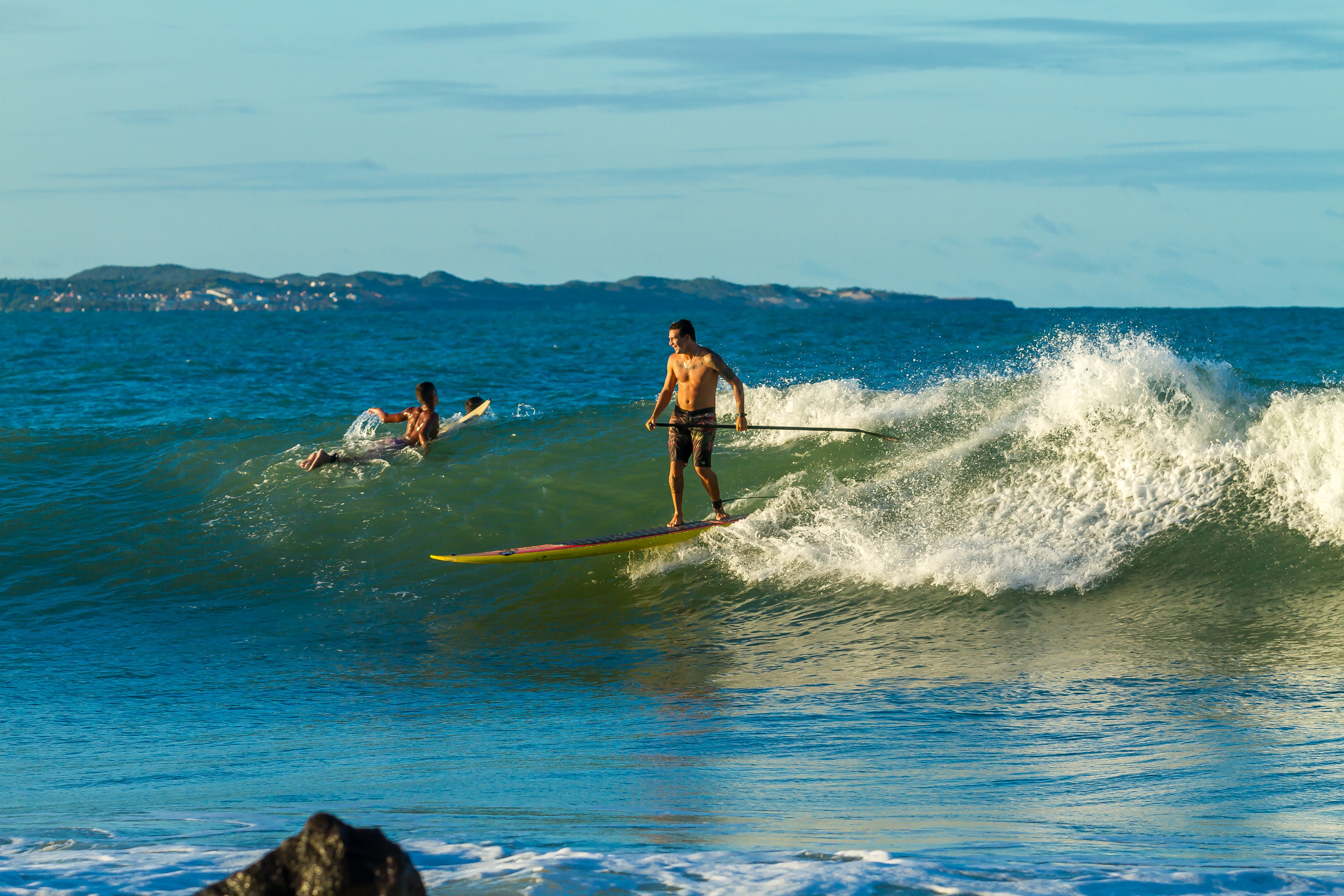
Surfing has (excuse the pun) really made a
splash with holidaymakers over the last decade or so. It’s grown from an
ancient practice in Polynesia to a rebellious sub-culture in California and now
it can be found all over the world.
Surfing is a perfect holiday activity because
it combines a little bit of learning — perfect to keep the brain stimulated
when it might otherwise switch off — with a fun physical challenge and plenty
of time in the sun.
The dream: Hawaii, USA
Though Californian surf culture made the
practice famous in contemporary society, the best surfing can still be found
where it all started. Hawaii is known for its profound surf culture and
world-class waves. Its white beaches and sub-tropical climate make it a surfer’s
dream.
Getting there, however, is not a laid-back
experience. From the UK, it takes at least 17 hours to get to Hawaii, not
including transfer time, which can quickly stack up to nearly an entire day of
flying. And the flights, as you might expect, aren’t cheap. We found that
return flights were £1,244 per person.
Once you’ve landed, you could technically surf
for free (no one owns the ocean, after all), but it’s unlikely that you’ll haul
a surfboard halfway around the world with you.
Instead, you’ll probably want to hire your
gear when you’re there. If you go for, let’s say, five days (you’ve gone all
that way, after all!), you can hire a beginner board for a week for $80
(£61.35). Five nights in a good mid-range hotel in Honolulu will set you back £890.
Oh, and don’t forget: Hawaii is part of the
USA, which means you’ll need to purchase a $14 (£10.55) ESTA to get through
customs.
Altogether,
that clocks in at £2,205.90.
Close to home: Llangennith, Wales
Over the last decade or so, there’s been a marked
rise in the number of people going ‘cold water’ surfing in North America and
Europe.
One of the best places for that? Wales —
specifically, Llangennith, a long beach where surfers can get stuck in to the
Gower, a reef renowned for its waves. The Gower has been called the heartland
of Welsh surfing, offering waves for surfers of all abilities, whether you’re
after those mellow troughs or those gnarly thirty-footers.
Some of the best surfers in the UK refine
their craft in the waves off the shores of Llangennith, so it’s definitely one
for your bucket list.
Unlike Hawaii, you won’t need to worry about
getting flights to Llangennith if you’re in the UK. Surf gear is a little more
expensive than Hawaii — about £80 to buy a beginner board and wetsuit — but you
won’t need to pay for a visa or an ESTA to get there.
Because it’s only a short journey, you could
probably visit Llangennith for a couple of days before heading back, but for
the sake of being fair, let’s say that you’re staying for five days.
Accommodation in Llangennith is around £85 per room for a mid-range hotel so
your hotel costs for the week would come in at about £425.
The sum
total takes you to just £505.00.
Saving:
£1,700.90 (77%)
2. Safari experience
Getting out onto the plains of Africa is the
dream of many a wildlife enthusiast, which is why a safari is at the top of
many people’s bucket lists. They’re often the only opportunity that people have
to see some of the world’s most incredible animals out in the wild, up close,
from gigantic elephants and hippos to lion prides and ferocious crocodiles.
The dream: Maasai Mara, Kenya
No continent does a safari quite like Africa —
its stretching plains and varied wildlife makes it a haven for animal-lovers.
One of the best-known safaris in Africa is the Maasai Mara National Reserve in
Kenya. Maasai Mara shares a common border with the Serengeti and is famous for
its plentiful populations of lions, leopards, cheetahs, zebras and wildebeest.
The problem is that going on a safari in
Maasai Mara is an all-in experience; planning a day trip out onto the plains
isn’t easy to do. The shortest safari package we could find was a 3-day outing
that started at $746 (£564.20) per person. Assuming you would stay an absolute
minimum of 2 nights, that puts accommodation at £500 per room if you want to
stay near Maasai Mara. Cheaper rooms are available in Narok, the nearest town,
but it’s a three-hour drive away.
Getting to Kenya in the first place is fairly
pricey. Return tickets are about £378 per person, but you’ll also need to
factor in getting a visa for entry for $51 (£38.72) and the shots you’ll need
for typhoid and yellow fever (£141.95). That
puts the entire trip at £1,622.87 per person, excluding food and airport
transfers.
Close to home: Birmingham, England
You’d be mistaken in believing that you have
to leave the UK and Ireland to enjoy an engrossing safari experience. The West
Midland Safari Park — located just half an hour or so outside of Birmingham —
offers one of Europe’s best wildlife experiences. Lions? Check. Zebras? Check.
Elephants and rhinos and cheetahs and pretty much everything else you’d spot on
the Serengeti plains? All check. And you can see them all in one day!
Admission, as you might expect, is much
cheaper than booking an African experience. Day passes start from £24 per
person, though you can book a VIP package if you want something more immersive.
Accommodation in Birmingham is agreeable, too, with mid-range hotels starting
at about £43 per room. And since it’s in
the UK, you won’t need to pay anything for flights, visas or vaccines, which
puts the total at just £67.
Saving: £1,555.87 (96%)
3. Thermal springs
Everyone loves a good spa day, but there’s
something magical about the restorative powers of the earth itself. Though
thermal spas have been around for millennia (they were a particularly big hit
with the Romans), they’ve recently had a rapid increase in popularity. Genuine
thermal spas are a rarity, which is why they’re sought after by holidaymakers
who are looking for unique experiences.
The dream: Blue Lagoon, Iceland
The tourism statistics for Iceland’s Blue Lagoon
have benefitted massively from the Instagram generation. It’s one of the most
beautiful places in the world, sporting an azure blue volcanic lake that
contrasts sharply with the stark igneous landscape that surrounds it. For that
reason, it’s become a top destination for modern travellers to go to.
It isn’t cheap, though. Iceland is notoriously
pricey — in fact, it’s cited by many as the most expensive tourist destination in the world,
due to high import costs and taxation on food and alcohol. The Blue Lagoon is
ISK 6,990 (£44.60) for just one hour in the pool, and that’s if you book in
advance. If you want to stay over, the on-site hotel is your only real option,
as the spa is in the middle of nowhere. A stay at the Silica Hotel starts at
ISK 70,400 (£448.83) per night. Add the
flights on top of that — £173 return from the UK — and your total comes to
£666.43.
Close to home: Bath, England
Bath is, in the minds of many, the original
thermal spa town. It’s even named
after the Roman baths. That’s because of the plentiful geothermal springs
underground that allowed Roman settlers to create hot bathhouses, some of which
still stand today.
You can actually enjoy a dip in a genuine
geothermal spa when you visit Bath by going to the Thermae Spa. Admission to
the New Royal Bath is £36 on weekdays, for which you’ll get a two-hour spa
session and access to the open-air rooftop pool and the Minerva Bath, the
largest of the thermal baths. Accommodation
in Bath is about £67 per night, and without flights to worry about, your total
comes to just £103.
Saving:
£563.43 (85%)
4. Whale watching
Whales are incredible creatures. With the
largest of them measuring almost 30 metres long, it’s understanding that the
vast majority of them don’t fit in an aquarium or sea life centre. You have to
go out into the wild to see them for real — and spotting them is one of the top
things that we want to do on holiday.
The dream: Húsavík, Iceland
One of the best spots to see whales in the
world is off the northeast coast of Iceland. The coastal town of Húsavík has
become a hotspot for budding whale-spotters, and as such, there are several
companies that run world-class whale-watching tours out of Skjálfandi Bay on
traditional oak boats.
As mentioned earlier, though, Iceland is
expensive. The three hours you spend on the water will cost you 10,500 ISK
(£66.52) per person, and a night spent in Húsavík will cost you around £100 per
room — and that’s at the low end of the spectrum. Return flights to Akureyri —
the nearest airport to Húsavík — are about £396 from the UK.
That means that even without food costs and
airport transfers — which can be two or three times what you may spend in the
UK — you’ll be spending £565.52 to do a
day of whale watching in Iceland.
Close to home: Cork, Ireland
Did you know that the Irish government
declared the coastal waters of Ireland a whale and dolphin sanctuary during the
early 1990s? Ireland’s policies on the preservation of sea life have turned it
into one of Europe’s top spots for seeing Minke, Fin, Baleen and even Humpback
whales in their natural habitat.
You can go whale watching from West Cork for
just €50 (£42.67) per person for 4 hours out on the water. Accommodation in
Cork is around £87 per night for a mid-range hotel, and getting to Cork from
the UK is easy — you can hop aboard a ferry from just £41 per person for an
overnight stay, which gives you as much as 36 hours in Ireland.
Altogether,
you’ll be spending just £170.67.
Saving:
£415.85 (74%)
5. Skiing
Skiing has a sort of vintage charm about it —
maybe that’s because its popularity grew rapidly in the 50s and 60s when metal
skis made it easy, even fun, for amateurs to ski as well as pros. Since then,
it’s become a top holiday recreation, complete with cosy lodges and alpine
tipples.
The dream: Cervinia, Italy
What skiing hotspot can compete with the
world-famous Matterhorn? It’s instantly recognisable by its pyramid shape and
its looming presence in the Alps, crossing the borders of both Italy and
Switzerland. One of the best ski resorts at the base of the Matterhorn is
Cervinia, Italy, where you can take a lift up to some of the best parts of the
mountain and ski to your heart’s desire.
Flights to Cervinia are very reasonable from
the UK, with return flights coming in at only about £72 off-peak. A day-pass to
the Cervinia resort is €43 (£35.59), with ski hire coming it at £18.87 per day
if you book online. However, accommodation is pretty pricey, probably because
of how remote the hotels are. For two nights, you’ll be looking at about £426
per room.
For argument sake, let’s say you just want to
ski for one full day — that takes your
total to £552.46.
At home: Glenshee, Scotland
Bet you didn’t know there were ski resorts in
the UK! In fact, Glenshee Ski Resort in Scotland sees a great deal of snowfall
throughout the year, and with a few gentler slopes than Cervinia, it’s ideal
for beginners and intermediates.
Admission to the ski resort is a little
cheaper than Cervinia, with a 1-day lift pass coming in at £32 (although if you
just want to hit the beginner slopes, you can get to them for just £20 a day).
Ski hire is £23 a day for skis, boots and poles.
The biggest saving you’ll make is on
accommodation. You can stay at a mid-range hotel in Ballater — about half an
hour’s drive from Glenshee — for about £55 a night, so £110 if we’re going to
match the two nights you’d spend in Cervinia.
That
puts your total at just £165.
Saving:
£387.46 (70%)
The Dream: £5613.18
Home: £947.67
Saving: £4,665.51
83%
A dream holiday from home
If you have plenty of money — and time, too — you might be willing to travel the world to complete your holiday bucket list. For the rest of us, though, the good news is that all the activities we dream about for our perfect holiday are right on our doorstep here in the UK and Ireland.
Here’s to a staycation that exceeds all
expectations!
As Australians move closer to the winter season, many people will start to scour the internet in search of their next greatest adventure. Whether our holiday plans involve jaunting to the warm waters of the Caribbean or travelling to another part of Australia this winter, planning the holiday of all holidays is possible for all budgets. Nowadays, the holiday of your dreams can be yours through a variety of ways, one of which is the travel loan.
Those dreaming of travel can access these loans through a number of avenues. Hopeful travellers can access funding through traditional means or they can access funding through the various online outfits, which make the application process move quickly. Through travel loans, Australia and just about every corner of the world becomes more accessible than ever before.
Let’s take a look at how a travel loan can help you to have the holiday of your dreams.
Use For Travel Purposes
The loan itself can cover a variety of costs associated with travelling abroad. Most people use loans to fund airline travel or other transportation, hotel accommodation, meals, transportation around the area, and just about anything and everything related to travel. While some lenders might place restrictions on what travellers can use the funding for, most leave it up to the discretion of the traveller.
The loans are great for a few reasons. For one, they alleviate the worry and stress of having to cover expenses, as with a budget, travellers will have enough money to cover most of their expenses. Secondly, these loans are typically one of the less expensive ways to finance travel.
Save On Cash Advance Fees And Interest
A travel loan often is a cheaper option when compared with for a trip with a credit card. The interest rates on some of the loans tend to be a few points lower, and with good credit, travellers can sometimes find low-interest rate loans. Alternatively, unless your credit interest rates are below 10%, a travel loan is a better option to credit card rates that can be as high as 25% for people with bad or no credit.
Securing financing through a travel loan can also save you in terms of the amount of money spent on cash advance fees. Every time a person uses the ATM with a credit or debit card from a location or a bank outside of their State or country they are charged a fee, which adds up quickly. If travelling to a foreign country, exchange rates can also impact the amount of money you end up paying in advance fees. In either case, a travel loan provides you with cash that can be exchanged before leaving the country, saving your money in the long run.
Take Advantage Of Off-Season Deals
Travel loans are great for taking advantage of deals in off-peak seasons. In the off-season, hotel and airline travel prices dip to pull in customers. These deals are usually for a limited time, and with the winter approaching, would-be travellers can take advantage of the numerous opportunities to visit interesting places in a season when traffic is low allowing for a more relaxing and enjoyable experience.
Holiday Now, Pay Later
It’s not often that we get the chance to splurge, but a travel loan offers consumers the chance to have that once in a lifetime trip, whether it’s visiting somewhere in Australia or flying further afield. Travel loans provide consumers with the chance to enjoy that holiday that they have been thinking about but have not been able to afford. As a cheaper way to fund a trip through financing, travel loans cover most of the expenses associated with travel. While the cost might be pricey, the experience is invaluable and can allow you to make memories that will last a lifetime.
Everything was much simpler when you were 20. You could leave for a vacation on another continent in a minute’s notice and you packed only the necessities that fitted into a single suitcase. However, as your family grew, so did vacation preparations. You are probably scared by now as summer or winter holidays approach, thinking that you’ll forget something or overspend heavily. Well, we have news for you, you are an adult and there is no way you can mess up things that much but, and this is why you need to be ready for the journey in the sense that you must have a checklist on how you approach the whole family vacation issue. This will ensure that you don’t forget anything and that you find the best possible deal for your loved ones, without taking away from the charm and romance of the trip. If you are interested in knowing how a thorough preparation for a typical family vacation should look like, do read on.
I am free on the…
First of all, you have probably come across this text after
you were rescheduling the family vacation for months until you were finally
able to secure leave from work. However, now you have to wait for your partner
to achieve the same and then check with the kids as well. That is why it is
essential that you plan ahead because there is no other way that all family
members will be free on a given date. If you know how much free days you and
your spouse have respectively, you can sit down, grab a calendar try to coordinate
free days. Once the initial dates are settled, you have to ask the children if
there is an important test at school during that particular week. There are
some exams that cannot be skipped, so you better postpone the trip.
Furthermore, there are dates that free for most people, like
state and religious holidays, like Easter or the summer vacation. This is the
time when others travel as well, so for instance, most Americans travel for
their winter holidays between Thanksgiving and Christmas. This means that the
roads will be jammed and that you will not enjoy sufficient privacy at your
desired destination. Try to avoid the holiday season much as possible, so the
vacation could really be about your family bonding and not about sharing a
beach with thousands of other holiday goers.
A strict budget
Would you ever agree to start a business without drafting a clear
business plan accounting for every dollar spent? You probably
wouldn’t and the same principle should go for the family vacation. Basically,
you need to know how much you two can spend on this trip and try not to exceed
that amount too much. When choosing the destination, you might want to go to an
exotic beach resort abroad but if your budget only allows a national
destination then sorry, you are staying in your home country. This will serve
as an incentive for next year to save more money so you can afford all those
luxurious destinations like Europe, Dubai or the Maldives.
The final budget should include the following items:
transportation costs, accommodation, food, and entertainment. Firstly, you need
to decide whether you are travelling by plane or you are going to use your own
car, in which case you need to calculate the amount of petrol you’ll need to
put in the tank. As a cheap alternative, you can always purchase a bus or a
train ticket, where you get a discount for buying a return ticket and often
small children can ride for free. When it comes to accommodation, hotels and
hostels seem like a logical choice but if you are travelling with another
family then it might be cheaper to rent a house or a bungalow. This way, you
can share the total cost and you can buy food together, which is another
important item in your budget. Finally, you need to leave enough money for
tickets for a museum or an amusement park. Of course, a cold beer in the
evening at the local bar is almost mandatory.
The sights
When choosing the destination for your holiday there are
going to be numerous factors, of which money is perhaps the most important, as
we have already mentioned. However, there are advantages and disadvantages that
you need to take into consideration. Firstly, are there activities at this
destination that all of you can enjoy? You definitely do not want to be one of
those parents who force their children to go to a place where they will be the
only one having fun, while the children sit in the hotel room watching TV.
This is why city breaks offer the ideal opportunity for the
whole family to have fun. For instance, if you travel to Paris, you might want
to visit the Louvre and your spouse will want to climb the Eiffel tower, so
both of these sights can be seen in a single day. The kids can tag along if
they want to see the famous Mona Lisa but hey will all the while be looking
forward to the visit to Disneyland in Chessy, east of Paris. The same principle
goes for any prospective destination, whether it is a beach, a mountain or a
visit to a large city: all the family members have to enjoy themselves.
Remember, you are no longer planning only for yourself and you need to
incorporate the wishes of others into your travel plans.
Flying in
A family vacation and any vacation for that matter is a
break in the daily routine. During those seven or ten days, you are going to do
and experience things you normally wouldn’t, so do your best to include a touch
of luxury in this outing with the family. This can entail anything from staying
at a luxurious hotel to visiting the local spa centre. Having discussed the
travel arrangements, we mentioned that you can fly to your destination, which
is pretty much the only option if you must cross a large body of water.
If you are tired of economy class, then you can choose to rent an aeroplane, why not! A private jet charter might seem like something that statesmen and Hollywood stars do but the prices of aircraft rental have dropped over the recent years, making it possible for a family (or several of them) to hire a charter. Before you start shaking your head in disbelief, just take into consideration how much time and hassle you will save you and your loved ones by embarking in your home city and getting off the plane at your destination, where the hotel van will be waiting for you. For the kids, being the only passenger on the flight will be an experience of a lifetime that they will talk about for months after you return home.
The formalities
If you are travelling abroad for your vacation, then you
have to prepare extra. First of all, all of the family members need to have a
valid passport, including the children as well. Before you set off, check the
expiry date of all documents and IDs, so they are no unpleasant surprise when
you reach border control and customs. Furthermore, many countries make it
mandatory to have travel insurance but in any case, you should buy this before
the trip. This is important because any unplanned medical cost will be covered
by the insurance company if something goes wrong. Hopefully, everything will be
in perfect order but you can never be too safe when children are involved.
If you are travelling to a country that uses a currency
different than the dollar and they don’t accept a dollar, you can go to the
nearest exchange office to get the local currency. You needn’t exchange a large
sum of money, just enough you can buy a bottle of water or a single meal before
you reach your hostel. Try to avoid exchanging the money several times and
through several times as your money will lose its value because of the exchange
rate.
Booking in advance
Finally, you can save a considerable amount of money if you
plan and book your trip in advance. In general, a prudent head of the family
will book the trip up to six months before the departure date in order to save
money on booking. If you make the reservation early on, you can save money on
the whole deal. Furthermore, many establishments offer special packages for families which include free service for the
kids. Google a little your desired destination and you would be surprised how
low the prices are. Also, if you are booking a date in pre-season, you can
expect lower prices, so seriously consider vacationing on the seaside in
September and even October.
A little research cannot do any harm
Finally, try to get acquainted with the hotel or the house
you are going to stay in. You can get a city plan and mark all the sights you
want to visit, calculating the distance from your accommodation. Also, before
you book, be sure to check the comments section and read the reviews about the
hotel you choose. If the reviews are extremely negative, then you might want to
reconsider the hotel you initially picked out. If any of your friends or
relatives travelled on vacation before to the same destination, ask them for a
recommendation about good local accommodation. In general, try to find out
before the destination as much as possible before
you set off on your journey.
In the end, the most important thing when it comes to
planning a family vacation is starting
early. Essentially, it is never too early to start booking and arranging
all the details of your journey. Get a passport if you don’t have one, ask for
a discount in the off-season, and charter out an airplane as early as possible.
By doing these things, you are not only saving money but you are ensuring that
everything goes smoothly. After all, your own family’s safety and comfort
should be a top priority!
One of the best ways to expand your horizons and gain new experiences and try foreign food and then bore everyone home AND your momma on how tasty it is even though it’s pointless because they can’t really try it is to set sails and go on a journey to a new destination!
Australia, for example! A country of exotic (if at times incredibly aggressive and poisonous) animals, picturesque coral reefs, and the Sydney opera house!
… Omg, there’s this cake, it’s called Lamington, and it’s the finest buttery thing, and there’s like chocolate and it looks good… they call them Lammoes over there …. Hahaha! No, but seriously, it has this curious buttery thing to it…
Yeah, yeah, alright! No one cares that you stuffed your face senseless in a foreign country!
How about learning the local language or visiting some monuments or something. Basically, unless you’re a professional cook and are talking to other cooks, no one cares.
Anyway, lest we continue to rant about the horrors of food-related travel stories, let’s swing back to the topic of this article which is personal travel loans.
Let’s face it, traveling costs money, and let’s just say that the urge to hit the road often catches one when they’re not in their best financial state. Other than making a loan with a friend, the only viable solution to make it happen would be to take out a personal bank loan.
Now, in this article, we’re going to talk about whether or not that makes sense and how to approach this issue in a sensible way.
Alright then, here’s the deal, globetrotting’ folk!
Is Taking a Loan for Travelling Worth It?
Ehh, sort of. It can be worth it, but you have to weigh out your possibilities carefully.
For example, if you have a stable salary and plenty of room for holidays as a part of your job position, you can pull off a loan-based holiday and then don’t even feel the subsequent payments.
On the other hand, taking out a loan with a tough interest rate with an unstable job can end up draining your finances incredibly quickly and even cause you to go bankrupt in the worst case scenario!
The thing is, of course, that investing is traveling is really not investing at all. In fact, it’s the opposite of investing – if you look at it from the business side of the argument, it’s equitable to throwing your money out of the window.
On the other hand, it’d be fair to say that traveling is a sort of soul food, so it arguably has no cost.
The difference is pretty straightforward, really. In order to obtain a secured personal loan, you’ll need to have some sort of asset to put up as a token of security for the loan. This can be real estate or some other form of property that can be exchanged for value if you fail to pay up your monthly rate.
An unsecured personal loan, on the other hand, does not require any sort of mortgage or property to be put up as security, but what it does mean is that you’ll be expected to agree to a higher interest rate on the regular monthly payments.
So, what option you’d like to go for really depends on your personal financial situation. If you don’t have a piece of property you’d be ready to put up for mortgage, for example, but otherwise have a stable salary, an unsecured loan may be a way to go for you.
How to Make the Most of Your Travel Loan?
If you’ve already made a decision to go for a travel loan, you might as well make the most of it. To do that, you’ll need to do some preparatory work first, of course, as saving money mostly amounts to figuring out what you don’t need to spend it on.
Set a Finite Budget – Understanding that you can’t really spend money to your heart’s content while abroad is bound to make you use your brain instead of focusing on out-of-control shopping sprees. To do this, set a budget in advance and stick to it while on your travels.
Make Good Use of Special Deals and Rewards – Many banks offer special deals to people who want to take a travel loan, so pay attention to your bank’s policy when this matter is in question. If you play your cards right, you can dramatically reduce the amount of credit you spend while on your holiday.
All things considered, the fact that you want to relax on your travels doesn’t mean you should disregard your finances completely. If a loan is a way to go for you, take heed from tough interest rates and make sure to agree to a viable deal that will work for you in the long run!
So, you’ve finished high school and would like to take a gap year before figuring out what you’re going to do next? So many people your age are in the same situation and have decided to do the same. Now, the question is what you should do during the gap year so that it’s not wasted. Well, you’ll be spoiled for choice, to be honest.
The best way to spend your gap year depends on you and your ambitions and goals. You might look for some work experience, experiment with a new career, do some volunteering work or simply travel for fun. Whatever your motive, one of the places where you can achieve your goals is definitely Hong Kong.
Why Hong Kong?
To begin with, English is one of the official languages, which makes it a natural choice for many young people. Also, there are very good employment opportunities for those interested in working hard and broadening their horizons. We should probably also mention that it’s one of the most popular destinations for adventure and cultural travel. As you can see, Hong Kong is definitely an option worth considering.
Photo by Tiplada Mekvisan on Unsplash
Fun and culture
Despite its size, Hong Kong offers a range of fun and exciting activities, from backpacking and camping on the beach to rock climbing. With many national parks, you can also immerse yourself in some of the most stunning sceneries in the world.
Hong Kong, as you might know, has a lot of historical significance. It is also an excellent starting point for exploring other parts of Asia, particularly China. The city itself is a magnificent mixture of cultures, which makes it rather unique.
Teaching English
Despite the fact that English is one of the official languages, there is a great opportunity for native and non-native speakers to teach in Hong Kong. One of the things you could do to improve your chances of landing a great job as a teacher is to sign up for the renowned Monkey Tree TEFL courses and get the necessary qualifications.
Photo by Dan Gold on Unsplash
Volunteering
Another option worth considering is sharing your time and skills with those in need. Some volunteering opportunities are through church organizations, but you can also find many other options. They range from helping children learn English and working with the physically challenged to making crafts. You can choose a program that fits your interests and you’re bound to be rewarded, though not financially.
Internship
Hong Kong also offers many internship opportunities, allowing you to explore the life there in the best possible way. Working in such a culturally diverse environment can provide you with invaluable experience, which you probably couldn’t get at home. By joining an internship program in Hong Kong, you’ll be able to develop not only professionally, but personally as well. Just imagine living and working in a foreign culture, possibly learning another language and meeting people from all over the world!
Photo by Leonardo Yip on Unsplash
Living in Hong Kong
You need to know that living in Hong Kong is more expensive than in most other cities in Asia and be prepared to pay around $20,000 HKD (approx. $2800 USD) for a two-bedroom apartment. Utilities average around $1000 HKD (approx. $ 120 USD) and you should also count on spending $450 HKD (approx. $65 USD) per month for public transport. Other expenses depend on your lifestyle.
Culture and etiquette
Hong Kong is dominated by Cantonese habits and customs. Whatever you do and whatever you achieve is a reflection upon your family. People address each other by their family names unless the host or colleague asks you to use their first name.
In terms of personal space, you can expect people to stand quite close when talking to you, but they will refrain from touching you. Also, friends and couples like to hold hands, but such examples of affection are seldom seen in public.
Photo by Meckl Antal on Unsplash
Health and safety
You’d be glad to hear that Hong Kong has very high standards with regards to health. Restaurants and other public places are regularly inspected and tap water is safe, though many people don’t like the taste and choose bottled water. Hospitals provide excellent care, should you need it. Also, it’s safe to walk around even at night, but you still have to be careful, since pickpockets operate in high traffic areas.
As you can see, Hong Kong is really an attractive destination for your gap year or at least a part of it. The potential benefits of your stay there by far outweigh any concerns you might have. So, don’t miss such a great opportunity to travel and spend at least a small part of your life there.
Best Travel Guides to Destinations Around the World