All posts by Jack Kewel

Jack Kewell is a writer, science editor, naturalist, entrepreneur. He is focused on writing and illustrating books. Also, he is a regular contributor to Mountaintechblog

10 Tips on How to Make Great Travel Videos

10 tips on how to make great travel videos!

If traveling is your passion and you want to share your experiences with the world, starting to make travel videos is a fantastic idea. Video content is not only the most colorful and authentic way to present a destination, but it’s also a sought-after medium nowadays. However, a travel video needs to be very well-made in order to capture attention and create the desired effect. Here are 10 tips that will make your travel videos to the next level!

Prepare your gear

If you are a beginner at video making, you should start by getting the appropriate equipment and, even more importantly, familiarizing yourself with it. Today, smartphones have quite formidable capabilities so don’t feel like you have to immediately invest in an expensive camera for a good video. If you do decide to get a DSLR, make sure you pick a user-friendly one to get started with and study the settings in detail.

Get the technical aspect right

Today, high-definition content is the norm. Therefore, you have to ensure you get the settings right for the most enjoyable video quality. Besides the resolution, which would be optimal to keep at 1080p, you should also mind the frame rate of your video. Depending on the kind of footage you are shooting, you might want to vary between 30 and 60 fps. When there is a lot of motion, 60 fps can really add to the quality, but you should be mindful of the video size.

Keep it steady

No one likes shaky videos. However, you won’t always have the opportunity to use a tripod, nor should you. Your travel video should include dynamic footage in order to be interesting. So, make sure you look into one more piece of equipment which will transform your footage filmed during walks or hikes: a stabilizer. A gimbal stabilizer is a handy tool and it can even be rather compact so it won’t be a hassle to carry along.

Stay authentic

When presenting a place, you want it to look realistic and authentic. Therefore, you may want to skip using strong filters on your production. However, that does not mean you cannot correct your footage so that it gets the atmosphere across. Learn about color grading and keep modifications moderate for the best effect.

Find the perfect length

Pinpointing the ideal length for a travel video is quite tricky. As a general rule of thumb, you can stick to 2 to 3-minute long pieces. This length is ideal for presenting the best of a destination in a concise manner while not risking your viewers getting bored and clicking away. However, it should be noted that today, long-form videos are becoming more and more widespread. On platforms like YouTube, hitting the 10-minute mark can be beneficial depending on your goal.

Get close

You can make your travel video much more interesting by mixing it up a little. Get close to your subject and pique your audience’s interest by zooming in on the details. Show them the vegetation, bring them close to the food, make them appreciate architecture. It will also boost authenticity.

Learn some transitions

The importance of transitions cannot be stressed enough, particularly when you’re working on shorter, more dynamic videos. The right transitions improve the flow and give your video a sense of continuity, so practice some hand motions to get the right footage. Panning, dollying in and out, swiping or tilting the camera; there is a lot of room for creativity. Use these instead of effects on your video as those can make it look less professional.

Consider live

As mentioned earlier, people already consume a lot of long-form videos. Another type of video content that is on a massive rise is live video. High-quality live event streaming has taken the world by storm and the travel industry was not exempt from this. A lot of hospitality businesses adapted to the pandemic by implementing virtual tours but influencers are also finding that their audience likes the real interactions transmitted by such unedited footage, so it might be worth giving it a try.

Mind the audio

Video is a popular content format since it engages several of your senses at the same time. You can take advantage of this by giving ample attention to the auditory aspect of your video. Music plays an important part in setting the atmosphere, but it can even dictate your editing to create a cohesive whole, so pick your song wisely. Besides music, including sound effects will also make your production more immersive.

Stay dedicated!

Finally, making great travel videos is something that requires effort and dedication. You mustn’t let shyness or embarrassment get in your way, but you should also be prepared to go to lengths to get that perfect shot. Once you have a bit more experience, though, you will not hesitate to hike a few extra miles or wait a few extra hours if that means capturing an unrepeatable moment.

Today, anyone has the means to start making videos, but there is certainly a learning curve to making great ones. Hopefully, these tips will help you make your next travel video your best one so far!
Travel Hygiene Tips: How to Stay Germ-Free on the Road

You’re a passionate traveler and nothing can hold you back – not even the pandemic? Welcome to the club, you aren’t the only one here! Of course, traveling safely should be your top goal, so stay with us and learn how to stay germ-free on the road. Here are five useful travel hygiene tips, so check them out and enjoy!

Wash your hands thoroughly whenever you have a chance

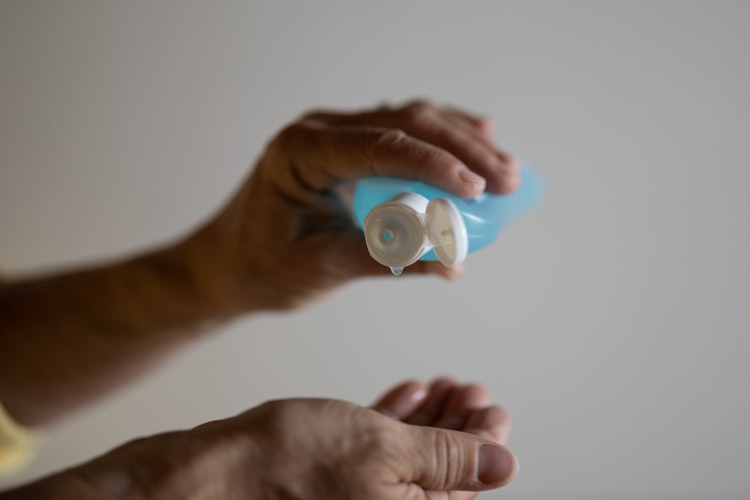
If we’ve learned anything during this pandemic, it’s that we must wash our hands thoroughly and frequently. Needless to say, it gets even more important when you’re on the go. This is simply because you’re exposed to a wide range of bacteria, viruses, and other harmful microorganisms while you’re traveling. Did you know that you can catch the majority of infections by touching dirty objects? That’s right, which is exactly why you must wash your hands as often as possible. This is essential after using the toilet, touching an animal, and changing a tampon. You must do it after touching objects such as an ATM, public phone, door handles,  and shopping carts, too. However, if you don’t have an opportunity to wash your hands with water and soap, use a hand sanitizer instead. It’ll do the trick as well!

Keep your nails short and clean

Yes, we know that a lot of ladies love to rock ultra-long nails, but you know what? These are extremely unhygienic if you ask us – especially when you’re hitting the road during the pandemic. The reasons for that are more than good. First of all, it’s highly likely that dirt, bacteria, and grime will get stuck under your nails when they are long. This is exactly what you should avoid – particularly nowadays, when practicing good hand hygiene is more important than ever. Of course, this goes mostly for countries where cleanliness isn’t the rule, such as Ethiopia, India, and Nigeria. However, if you’re traveling to Europe or major urban centers, you won’t have to worry about this issue too much. Of course, it’s always better safe than sorry, so keep your nails short and clean and you won’t make a mistake!

Be very careful about things you share with others

As mentioned above, a large number of infections can be caught by touching dirty objects. These can spread very quickly and wreak havoc on your overall health in the blink of an eye. It is exactly why you should be very careful about things you share with others. This is particularly true for towels – both hand and face towels. So, if you’re staying in a hotel or hostel, stay away from hand towels altogether. Instead, opt for hand dryers that’ll dry your hands in just a few seconds. This is the best way to avoid infections caused by bacteria that were spread by multiple people using the same towel. When it comes to a face towel, be sure to bring your own. You must never share this towel with other people – especially if you suffer from acne or similar skin conditions!

hygiene

Shower every day, if possible

Showering is the most effective way to stay clean and keep body odor at bay while on the road. If possible, do it every day and focus on the parts of your body that sweat the most. The combination of water and soap/body wash is unmatched when it comes to staying fresh. It will get rid of dirt, oil, germs, and dead skin cells, which will leave your skin soft and clean. Also, remember that wearing flip-flops when taking a shower is always a great idea. You can never know who was in that shower before you – especially if you’re staying in a hostel with a shared bathroom. Besides showering, you should wash your hair at least once a week, too. You can do it even more often if necessary. Of course, it depends on your hair type and how quickly it gets greasy!

Make sure to practice good oral hygiene, too

Is there anything worse than bad breath? Many people would agree that there isn’t, and we completely agree with them! Practicing good oral hygiene and keeping your mouth clean is crucial for healthy teeth and fresh breath. Firstly, ensure to brush your teeth at least twice a day. Flossing is another important step that can prevent cavities and gum disease. To keep your mouth free from potentially harmful bacteria, use an anti-bacterial mouth wash as well. Apart from that, you must know that washing your teeth after every meal is a good way to go. However, if that isn’t possible, try to wash them after breakfast and before going to bed. When you’re on the go, carrying a toothbrush and travel-sized toothpaste is a good idea. Use them whenever you have an opportunity and have a fresh breath no matter what!

As you can tell, there are so many travel hygiene tips you should embrace to stay germ-free on the road. Of course, these five are the best ones out there, so stick to them at all times and you’ll see a huge improvement. This is essential these days, when the entire world is in the middle of a pandemic, which is why you should follow our guidelines and make a difference!

Preparing Your Teen for Their First Trip Without You

As nice as it is to travel with the family there will come a time when your teenager will want to start travelling on their own. It doesn’t matter if it’s a school field trip, a mission, or just with their friends, it is definitely something that they should experience. In order to get both, you and them ready and comfortable for travelling on their own, you should prepare. If they are travelling with an organisation they will have all the information ready and them prepared, but if they are going on their own here is how you can prepare them. Here are some key points that you must go over with your teen at least for your own peace of mind.

What Do They Need To Pack

One of the first things you need to teach your teen to do is how to pack for where they are going. They need to understand the local climate and think about all the activities they are going to be doing in order to pack proper clothes. Another thing that your teen needs are their electronics. So, if they are travelling out of the state, it is likely that they will need to have adapters for foreign outlets. They should also make sure that they pack medication they need, wet wipes, bug repellents and so on. Something you should look into is if there will be laundry facilities or just a washer in their accommodation so they know how many clothes to pack as well as seeing if they need coins in local currency for the laundromat.

Teach The How To Stay Safe

Travel will increase how mature your teen is, so to prepare them you will need to have some unpleasant and adult conversations with them in order to keep them safe. The best thing that you can do is be honest with them. Ask them questions about how they would react if certain things happened and tell them your opinion on how you would react in that given moment. It is really important what you show your teen that you trust them and believe that they will make the right decision.

Ensure That They Stay Healthy

It is never fun having to think about all the possible medical issues your teen can encounter whilst on their trip. But having them prepared will let you have peace of mind. If they are staying for a longer period of time, make sure that they have access to some form of medical care when they are there. Another thing that you should do is have a small listing of their basic health information that they will keep on them. Make sure that you are including emergency contact, their health insurance number as well as any conditions and allergies that they have. Something that not a lot of people know is that travelling to a foreign country sometimes requires vaccinations, so make sure that you do it in advance as for some you need to get multiple doses. When it comes to keeping your mind at peace, you can get a drug test kit and get your teen tested before they leave so you are sure that they haven’t done any drugs.

Talk About Money

Of course, your teen will be spending money while they are travelling. But the question is how much money will you let them bring. As they are teenagers and they can quickly make stupid decisions, think about providing them with emergency funds on a debit or prepaid card in care there is an incident. Make sure that you teach them how to budget the money you gave them or their own money if they are working a part-time job and saved up. A great way to make them more aware of spending the money is to have them pitch in with their own money. On the other hand, if your teen has their own money, they should know how to budget it.  Make sure that you go over the local currency rates and they learn how to convert their money, so they don’t end up wasting it.

Prepare Them For The Possible “culture shock

If they haven’t travelled a lot, having a culture shock is something everyone will encounter at some point in life when travelling. One of the best ways you can prepare them for it is to make sure that they do their research on where they are going. That will ensure that they don’t have any uncomfortable encounters. They need to understand their etiquette and social rules before they leave or they can get into some unfortunate situations. 

Create Rules For Staying In Touch

As we live in such a digital era, staying in touch isn’t something that is complicated or expensive. If they have a phone, you will be able to reach them at almost any given moment even if they are on the other side of the world. But as they are still kids in a way, it is important that you put down some ground rules of when they will be calling you to check-in. Another thing that you should do is put your number on a piece of paper that they can carry anywhere in case their phone goes missing. Also, teach them that there is something called roaming and that they shouldn’t be using their data, calling or sending SMSs. Basically, tell them that they shouldn’t be using their phone if it’s not connected to Wi-Fi as the roaming costs a lot of money. And why waste money when there is free Wi-Fi.

Even though there will be so many different challenges involved, every teen needs to have their own first solo-travel experience to become a grown-up. Keep in mind that your teens first trip alone is a big milestone. The better you prepare them for it the better experience they will have. It is essential that you stay calm and give them the freedom that they need.

Top 5 Mistakes Tourists Make in New Zealand

Top 5 Mistakes Tourists Make in New Zealand

New Zealand is full of amazing places and sights to see and is one of those hidden gems that are definitely worth your time and effort. However, this sort of trip requires a lot of planning, no matter where you come from and how old you are, especially if you want to avoid some of the most common mistakes tourists generally make when visiting New Zealand. So, here are five of these mistakes, as well as some tips on how to avoid them.

Weather conditions

This is one of the most common misconceptions about New Zealand – the weather there isn’t always warm! It’s just as changeable and unpredictable as everywhere in the world, and this is something you have to remember when planning your trip there. This means you have to explore the weather conditions beforehand and get informed, especially while packing your bags.

Whether you come in the spring or fall, the chances are you’ll be spending tons of time in the rain and wind. So, pack lots of clothes and pay attention to layers. If you decide to go in the winter, though, you’ll have to pack lots of warm things, as well as a jacket. Winters in New Zealand can be quite tricky, and you have to do whatever you can to avoid feeling cold all the time.

new zealand

Driving in New Zealand

Depending on where you come from, the traffic in New Zealand is either going to be a breeze or the worst thing you’ve ever experienced. If you come from the UK or Australia, you won’t have a problem adjusting to driving on the left – if you come from almost anywhere else, this could take a while. However, the main issue isn’t the side of the road you’re using, but the rules and laws you have to obey.

People in New Zealand are very disciplined and organized when it comes to driving, which is why lots of roads are covered with road cameras. You’ll get a ticket for speeding as well because the speed limit is generally 50 kilometers per hour, which is about 30 miles per hour. In case you drive faster than that in urban areas, you might be dealing with the local police, and that’s never fun.

Using time properly

New Zealand is a huge place, and if you want to visit everything worth visiting, you’re going to need at least a couple of months. That’s why you have to make a proper plan and get organized before you arrive there. Making a list of things you consider important is the best way to go, and then all you have to do is follow your plan.

Another problem with New Zealand is its location – since it’s quite far from basically every other place in the world, you’ll probably be dealing with some jetlag once you get there. That’s why planning a trip that lasts for a couple of days doesn’t make much sense at all. But, if you manage to stay here for at least a week or fortnight, you might be having the time of your life.

Check your mobile plan

Again, being ready is a must, especially when you’re traveling abroad. This includes your mobile plan as well unless you want to be cut off from the world. Some cell phones simply don’t work in certain locations, and there’s very little you can do if you notice that’s the case with your phone upon coming to New Zealand.

What you can do, though, is make a plan beforehand, and solve this problem before it occurs. Getting your personal New Zealand SIM card might help you a lot, and give you a mobile plan you can rely on. That way, you’ll be able to enjoy New Zealand even more and use all those apps that will help you take your experience to the next level.

The best season to visit New Zealand

Even though it may not be the most popular tourist location in the world, New Zealand is still quite popular. That’s why lots of people come here regularly and spend time enjoying the beauties of this wonderful place. But, because of that, there are certain times of the year when lots of tourists arrive at once, and that’s when you should avoid coming here.

The high season in New Zealand is between December and February, because of the nice weather. However, if you come in the off-season, you’ll still get lots of sunny days and warm weather you can enjoy, but you won’t be surrounded by so many tourists.

As you can see, New Zealand is definitely a place you should visit – with so many tourist attractions and amazing locations, you can easily spend weeks here without getting bored. So, get organized in advance and make a proper plan, and you’ll surely make the most of the time you’re about to spend in New Zealand.