Category Archives: Destinations

Indonesian Unique Christmas Traditions You Must Know

Modern Christmas traditions in Indonesia are similar to traditions in many countries. There are sermon, presents, family gatherings and Christmas dishes. However, Indonesia’s rich culture also contributes to some unique Christmas traditions in various areas. Here are some unique Christmas traditions in Indonesia that show heavy traditional influences.

The Nativity ‘Wayang’ Story

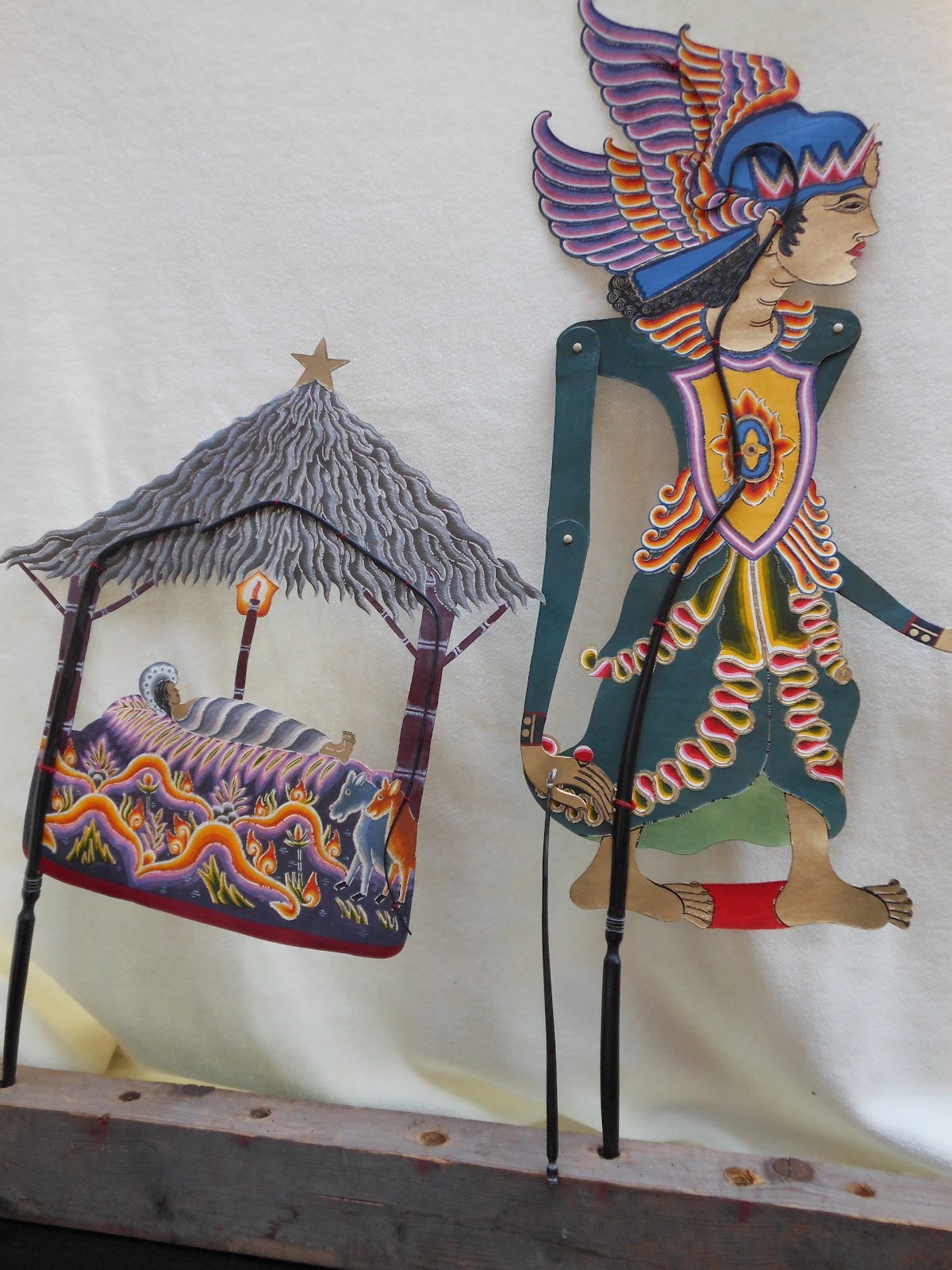
Wayang kulit, or Javanese shadow puppet, is used by the priest in Yogyakarta to retell the Nativity Story during Christmas sermon. The priest himself wears unique garb; his robe is combined with elements of traditional Yogyakarta garbs such as traditional head cover called ‘blangkon’ and batik. The language he uses is usually ‘kromo inggil’ or refined Javanese.

wayang

Stone Pig Roast

In Papua province, villagers will hold spectacular Christmas meal by roasting pigs, tubers and vegetables together in a makeshift oven from big stones that they put on the ground. The pigs and tubers are placed on banana leaves, and they are covered with stones to roast. This unique Christmas tradition in Indonesia will not make you see Christmas dinner the same way again.

pig roast

Marbinda and Marhobas

For Batak people in North Sumatra, Christmas is the time to do Marbinda, or cattle slaughtering. The cattle are bought by joined money of several people who know each other, and they usually start saving money for this purpose week before Christmas. When Christmas morning comes, they start doing the Marhobas (this is the name of the slaughtering activity). The meat will be distributed for celebration purpose.

marhobas

The Rabo-rabo Music

In Kampung Tugu area in Jakarta, there is a unique Christmas tradition called Rabo-rabo. This is conducted after Christmas sermon, in which people will play some traditional, upbeat music while walking around the neighborhood. At each house the musicians visit, people are expected to come out and join the group, and that happens until the last house is visited. Back home, family members will gather and slab some white powder on each other’s faces, as a symbol of purification. And then, the celebration continues with Christmas meal.

Manado Kunci Taon Parade

Kunci Taon parade in Manado, North Sulawesi, is another unique Christmas tradition in Indonesia that puts a new look on your usual Christmas parade. In this parade, people do not use typical Christmas garbs and decorations. Instead, they put on some garish, funny and weird costumes. The parade is held on the first week of January, but this is still considered as a part of Christmas tradition.

This parade is a closing part of the entire Christmas ritual in Manado, which usually starts from the 1st December. During those weeks, people go to sermon, pray, visit family members and pray for the dead relatives and friends at the cemeteries.

Bamboo Cannons in East Nusa Tenggara

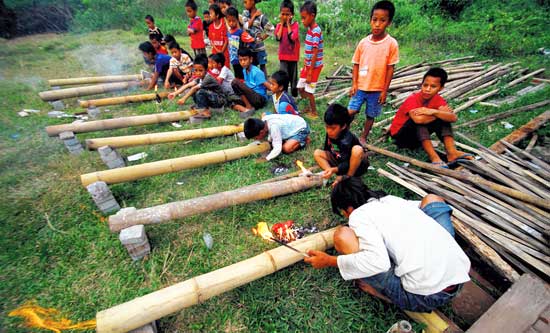
Kids and youths in Flores, East Nusa Tenggara, are delighted whenever Christmas is near, because on 24th December, they are allowed to stay up all night and play with friends. And instead of puny fireworks, they use traditional bamboo cannons to make some sounds. On Christmas morning, the sermon and celebration will start as usual (probably with some more bamboo cannons).
These unique Christmas traditions in Indonesia are definitely unlike anything you have ever seen. They prove Indonesia’s rich culture.
bamboo canon

Singkawang Chinatown, a Place where Culture Blends

singkawang

West Kalimantan or Borneo is a province where Chinese descendant population is the majority. Statistically, Chinese ethnics comprise more than 30% of the entire population, and Malay is number two with 26%. Therefore, it is not surprising if you can find a large Chinatown here, and Singkawang Chinatown is one of the largest areas in West Kalimantan.

Like many areas in West Kalimantan, Chinese culture is very prominent especially during Chinese celebrations, and various ethnics join the festive atmosphere when Chinese celebrations come. Otherwise, Chinatown is also a popular spot for locals and tourists to shop for various things, including cooking spices and tools, Chinese sweet treats and foods, traditional medicines, clothes, accessories and many more.

singkawang cultural

If you visit West Kalimantan, going to the Singkawang Chinatown is the best way to blend with the locals and experience the atmosphere of Chinese traditional market that does not change much since many years ago. Do not worry, as long as you take time to learn some Indonesian, you can communicate with the sellers here (although you may also hear some Pontianak Malay, Khek and Tiociu languages being thrown around you).

Culinary Feasts in Chinatown

Although there are so many things to see in Singkawang Chinatown, the best thing to try is of course the food. Here, you can find various street side vendors and peddlers selling Chinese foods; some authentic, and some are modified so they can be accepted by non-Chinese tongues. The prices are of course much cheaper than those dishes at fancy Chinese restaurants in Jakarta, and you get bonus of warm, lively interactions with locals.

Here are some much-recommended dishes to look for in Singkawang Chinatown:

  • Bakcang

This is a favorite among Chinese and other ethnics alike in West Kalimantan. This food is steamed sticky rice mixed with chicken, dried prawn, peanuts and salted watercress. The flavor is rich and tasty, and the sticky texture from the sticky rice is both interesting and fulfilling.

bakcang

  • Jan

This is a kind of sweet, thick soup filled with gelatinous white and red balls made of starch flour. Jan is a favorite snack among various ethnics in and around the Chinatown, and kids especially love this.

jan

  • Gwek Pia

This is a type of traditional Chinese cake that is also locally known as Kue Bulan (Moon Cake). The cake is made of mung bean and slightly hard, and it is often served during special occasions such as Chinese New Year.

moon cakes

  • Kwetiaw

This is a type of Chinese noodle with thin, wide strands made of flour and egg. There are several variations of this dish, such as fried kwetiaw, kwetiaw with broth, and kwetiaw siram (cooked kwetiaw poured with thick, viscous broth). The dish is served with vegetables, chicken, prawn or anything you can think of, and this is a popular lunch and dinner dish.

kwetiaw
Also, do not forget to try refreshing drink made of Lidah Buaya (‘Crocodile Tongue’ or Aloe Vera). This drink is refreshing, healthy and made of one of West Kalimantan’s popular farm commodities.

aloe vera drink


Singkawang Chinatown is clearly a must-visit spot in West Kalimantan.


Breathing life in Fiuggi

Yes, today you feel alone.

An irremediable loneliness, because the contingent reasons are inextricably intertwined with those of humanity as a whole. Existential loneliness, so it’s called.  🙁

“Everybody is alone at the heart of the earth pierced by a ray of sunshine and quickly it is evening….”

You are thinking of Quasimodo while, whipped by the chill wind of the evening, you take a look at the historical center of Fiuggi. You are at the foot of Ernici Mounts. The silence of this historical city reflects your mood. But the morning after you find the sun.

fiuggi

A Fiuggi park

FiuggiYou are in the lower part of the city, used as a health spa. You stay affected by the amount of chestnut trees, whose bright yellow leaves fall in torrents as in a magical forest. It’s Sunday, in all senses: the atmosphere is festive and nature gets along with the Art Nouveau architecture of the place. Yellow leaves and blue sky.

Yellow leaves and blue sky

You would like to indulge in a park but you are waiting for a massage, that you’ve chosen as a (ineffective) remedy to the solitude of the day before. The hotel’s spa is bright but the hands that are sprinkling almond oil on your body aren’t consoling. On the contrary, they are touching the nodal points of your sadness, located on your neck and on your sore shoulders.

Lights and shadows in the square

You go back to the historical center, whose beauty is now clear. Ancient alleys, climbs and descents of a country which never ceases to surprise you. Plants, flowers, lights and shadows shape the gray of the homes.

Alleys in the historical centre

You feel better, it is true, but something inside of you refuses the provisional welfare, wanting to steal, from what he observes, eternity. The many steps that connect the houses of Fiuggi City are tempting you: is the happiness right there? Does exist, hiding behind a grate, someone who is feeling like you? Is there a shepherd of souls walking in the midst of hills that open over the arches?
Steps everywhere

A lonely dog ​​is following you. Her eyes are sad and he need just a caress to grow fond of you. He looks at you puzzled. As if to say – you’re not the only one. You deeply breathe the fresh air and come back in the new part, where you left the car that will take you back to Rome. No, you refuse to remain unresolved, because you can still perceive the fairy tale behind reality and because the evening street lights can comfort you, shedding light on your paled dreams.

Lampposts in the night

From that pile of dry leaves, you would like to get the wisdom of those who let go of what is dead.

Two benches watching each other

Your loneliness has become anger. -There must be something in the middle of the branches! -, you tell yourself, thinking of an impalpable being, that you would like to suddenly come out like a mischievous elf.

The park in the dark

Yet life, that thou observe as from a porthole, it’s all there for you too: on the trees, among children who play in the evening light, in the conviviality of who you’ll meet shortly before returning home for dinner. In the wounded soul of those who desire to live.

A knotty tree

“Everybody is alone at the heart of the earth pierced by a ray of sunshine and quickly it is evening….”

#Source  http://www.italytherapy.com/2013/11/fiuggi.html#sthash.BKjxPXWr.dpuf

Semarang, the Venice of Java

Indonesia is a country with rich cultural and historical background, and each city in this tropical country has unique historical and cultural background that is worth visiting. Semarang City is a seemingly metropolitan city with modern buildings business and trade sectors and its own share of urban problems. However, despite these common factors of a modern city, Semarang keeps a long story that shapes its characteristics.

Semarang Historical Background

Semarang is the capital city of Central Java, one of provinces in Java Island. Semarang originated from a coastal area called Pragota, which originated from 8th Century A.D. At that time, Semarang was already a part of a kingdom called Mataram Kuno (Old Mataram), and famous for its port. This port once became the place where Admiral Cheng Ho from China docked his ship in his famous long voyage in year 1405. You can still see the traces of his coming from temple and mosque, called Klenteng Sam Po Kong. These buildings are still used by locals and visited by tourists who are interested with Semarang City history.

The name ‘Semarang’ came from a tree called Asem Arang, which grew in Pragota hills that was, at that time, began to show signs of fertility after years of bad soil condition. Before and after Indonesia’s Independence in August 1945, Semarang became a battlefield between Indonesian soldiers and Dutch as well as Japanese soldiers. Most populations in Semarang are from ethnic Javanese, but there are also populations of other ethnic groups including Chinese. The majority of people here are Muslims.

Semarang Appeals

Semarang is a city with a lot of local appeals. The name Venice of Java was given because Semarang City has large rivers that run in the middle of the city, just like Venice (the nickname was actually from the Dutch; originally it was ‘Venetie van Java’). Semarang also has other interesting nicknames that signify its main appeals and unique characteristics.

For example, the city is usually called ‘Kota Lumpia’ by locals (The City of Lumpia, a kind of spring roll), which is a popular food in this city. You can easily find lumpia anywhere, from street side vendors to restaurants and even café. This food is also a proof of merged culture between Java and China. Semarang City also has a lot of tourist attractions with their own unique appeals, such as:

  • Historical spots, like MURI Museum that displays various records in Indonesia, Museum Jamu Nyonya Meneer that displays rich Indonesian traditional herbal drink culture, Candi Tugu (Tugu Temple) and many more.
  • Natural attractions, like Maron, Marina and Tirang Beaches, Tirangcawang Island and Kreo Cave.
  • Religious buildings that have rich historical and cultural backgrounds, such as Masjid Agung (‘The Grand Mosque), Masjid Baiturrahman, Sam Po Kong Temple, Gereja Katedral Semarang (Semarang Church Cathedral) and many more.
  • Famous shopping places, like Pasar Johar (Johar Market), Java Mall and Citra Land Mall

Despite its look as metropolitan city, Semarang City is a place with deep and historical background; visit this city next time you visit Indonesia and get lost amidst the vibrant Venice of Java.

Hunting for Delicious Foods at Gurney Drive Penang

Street stalls that sell street side foods always become attractions for culinary lovers anywhere they go, and in Malaysia, the most recommended spot to taste the best street side foods is Gurney Drive in Penang area. Also known in local language as Persiaran Gurney, this area of food stalls is located in front of the beach. You can eat here while enjoying the view of beach and high-rise buildings that are mostly condominiums and bungalows.

Gurney Drive is actually an affluent neighborhood; buildings that dominate this area are luxury apartments, condominiums, and seaside bungalows. There are also two famous plazas: Gurney Plaza and Gurney Paragon. There are skyscrapers that make an impressive background behind the whole area. However, while this area is identical with affluence, the most popular attraction among locals and tourists is still the street food stalls area.

Gurney Drive Street Food Stalls

Under the imposing shadows of high-rise buildings, luxury residential buildings and skyscrapers, there are lines of street food stalls that deliver taste of Asia. Called by locals as Pusat Penjaja Tanjung Gurney, the area is located on a spot between Gurney Plaza and Sunrise Tower. Although Gurney Plaza is populated by visitors, there are so many plaza visitors who also choose to eat at one of food stalls at this area. Although the price of foods here have been risen since the first time this area operated in 1970s, Gurney Drive food stall area is still considered a cheap place to enjoy local taste.

At Gurney Drive, you can find various dishes, sweet treats and beverages that originate from various areas in Asia such as Malaysia, Indonesia, China, Singapore, India and Hong Kong. This is because Malaysia is also home for many immigrants from those areas, and they bring along their rich cuisines, adding the varieties of foods you can find in Malaysia.

What You Can Eat

Many foods sold at Gurney Drive have a rich taste, especially because people in Asia love foods with prominent spices. There are some popular recommendations of foods that you must try at Gurney Drive:

  • Hokkien Char Noodle (Hokkien Char Mee), a type of yellow noodle that is served with soy sauce, vegetables, pork, fish cake and fried pork fat. Sometimes, Hokkien Noodle is served with prawn and other seafood.
  • Java Noodle (Java Mee), a type of noodle dish from Java Island, Indonesia. It usually consists of yellow noodle cooked with yellow, rich broth, sprinkled with cabbage, shredded chicken, egg and fried red onions. There is also the fried version called Mee Goreng (literally “fried noodle”).
  • Satay, a type of meat dish that is usually chopped into small cuts, put in the skewers and roasted on charcoals with soy sauce and some spices. The traditional companion for this dish is rice, rice cake, cucumber slices, tomatoes and chili paste.
  • Char Koay Teow, a popular Malaysia-Singapore dish made of fried noodle, chives, prawns or other seafood, chili, bean sprouts and soy sauce.

Do not forget to visit Gurney Drive next time you visit Malaysia and enjoy delightful local taste.

The Vibrant Shilin Night Market in Taiwan

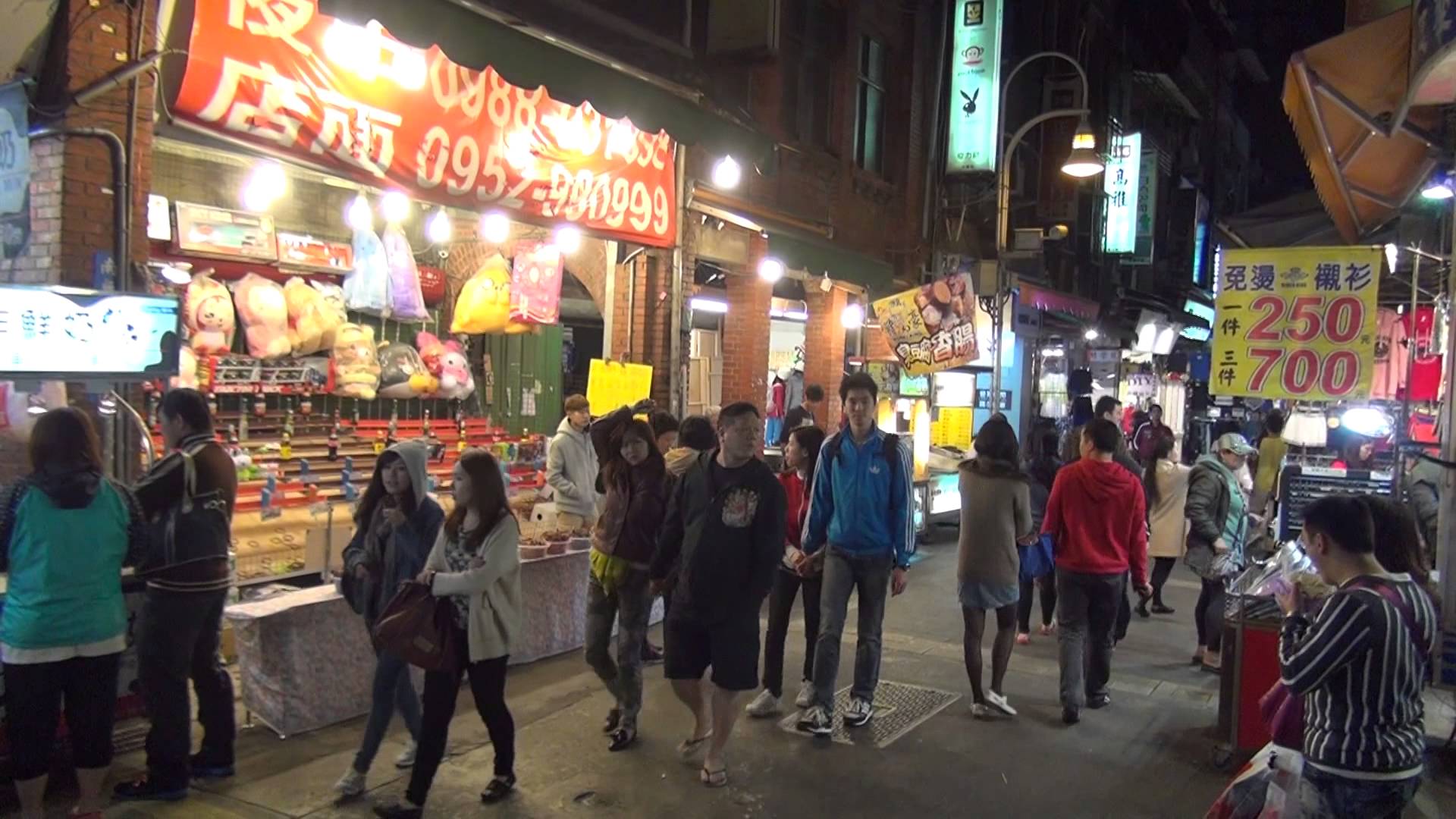
Everyone in Taiwan knows that if you want to see the most vibrant night view, you must go to Shilin Night Market. Shilin Market Taiwan is also one of the most famous tourist destinations in Taiwan, and it is much recommended for travelers who visit this country. Located in the district with the same name, this colorful place is also the biggest night market in Taipei, Taiwan’s capital city.

This market has everything, from food stalls to clothing and jewelry, from bars to video arcades, and from street side snacks to toys. This is also a favorite place for students to hang out with friends, because the market usually opens around 4 PM, after school is over. This is also a favorite place for locals to buy fresh goods for dinner, or hang out during weekend.

History of Shilin Market

Shilin Market Taiwan has been operating since 1909. It was used as a place for trading agricultural and farm products between Shilin District and other areas such as Dadaocheng and Banka. The humble market soon grew into bigger market that sold a lot more things and invited more customers. Gradually, the market turned into a trading, culinary and entertainment center. More vendor owners and merchants started business here. So many were they that the market finally turned into night market (it was previously a regular day market).

Eventually, Shilin Night Market became so crowded that it began to face fire risks as well as sanitation problems. Finally, the government relocated all food vendors; now, food vendors are located near to Metro Jiantan Station. Meanwhile, the old structure that previously housed food vendors were demolished and renovated. The project finished in 2011, and Shilin Market became its current look.

What You Find at Shilin Night Market

Just like its old days, Shilin Market Taiwan sells a lot of things and houses hundreds of vendors, including food stalls. There are about 540 food stalls at the food court, and there is a second structure above the non-food sections. It becomes a parking lot. This is a good place to really see the vibrant nightlife of Taiwan and see the lively interaction between locals and tourists. You can find almost everything, clothes, jewelry, souvenirs, accessories, bootlegged DVDs and imitation products of original European and America brands, video game arcades, bars, karaoke bars, nightclubs, toys and many more. However, the most famous place to visit at this night market is probably the food stalls.

Shilin Market Taiwan sells a lot of foods, but the favorite menus are usually traditional Chinese buns and their fried variations, fried steak (usually made of chicken), milk tea with ‘pearls’ (sweet gelatin balls), and oyster omelet. There are also popular Japanese fried foods, such as many types of tempura, and sweet treats such as peanut candy and jelly.

As a popular tourist destination, Shilin Market Taiwan is located in a very strategic spot and it can be reached from different areas using public transportation called The Red Line by locals (officially known as Taipei Rapid Transit System) that ends at Jiantan Station, located near the market. You can also use bus with particular numbers, such as 216 to 218, 224, 277 and 280.

Save up to $525 when you book your flight and hotel together at Expedia.com!

Historic Destinations: Edinburgh Vs Paris

Those who have an interest in history and are planning their next city break should check out the cities of Edinburgh and Paris. Both of these historic destinations boast a large number of world famous historic buildings for visitors to discover as well as interesting and informative museums that really make local history come alive.

The Royal Mile features some of Edinburgh’s most historic buildings, including a number of interesting historic hotels. Visitors who take the time to find hotels on Edinburgh’s Royal Mile find themselves checking in near a number of exciting historic attractions such as the Palace of Holyroodhouse, St Giles’ Cathedral, Old Parliament Hall and the Royal Parliament, which can be found just a short walk to the east of the Royal Mile.

Paris is also rich in historical attractions, including the iconic Eiffel Tower. While the view from the top of the Eiffel Tower is absolutely stunning, people who are looking for the full Paris experience will want to find a hotel with views of the Eiffel Tower. Many of the leading Paris hotels offer stunning views of the Eiffel Tower from the windows and balconies of their guestrooms, while they also feature dining rooms with stunning views of this world famous monument.

Returning to Edinburgh, no trip to this impressive Scottish city would be complete with allowing time to explore Edinburgh’s historic castle. Edinburgh Castle is also located close to the Royal Mile and visitors will be able to reach this stunning attraction on foot. Craigmillar Castle is located close to Holyrood Park and dates back to the 14th century. There are also plenty of historic attractions to explore in the Grassmarket area, including the impressive George IV Bridge.

Of course, there is much more to Paris than simply the Eiffel Tower. The Arch de Triumph is located at the end of the Champs Elise and is a great place to pause to take a few photographs while taking a tour of the city. The impressive cathedral of Notre Dame has also played an important role in the history, while art lovers will want to pay a visit to the Louvre art gallery.

Both Edinburgh and Paris offer special historic tours of the city, which makes it easy to explore many of the top attractions in a short period of time. This is an ideal option for people who are having trouble choosing between the two cities as they will be able to book a weekend break in Scotland before hopping across the Channel to explore all that Paris has to offer. Taking one of the Wallace Cycle Tours that run past most of Edinburgh’s main historical attractions is a great way to see the city in a unique new way while getting fit at the same time. Cycling tours around the oldest sections of Paris are also available as well as a number of other special theme tours.

12 Japanese Most Iconic Foods

Japanese food is a world of its own. It is beautiful to look at, made with great skills and sense of beauty, and has unique flavor. Japanese food is so popular in many countries in the world, and you can find Japanese food almost everywhere. Are you fancy yourself as a food lover? Let’s check if you recognize all of these 12 iconic Japanese foods.

Oden
Oden is a type of street food you can find during autumn and winter, because its ingredients are stewed and served with hot broth. Ingredients of oden can consist of fish cakes, thick omelet, carrot, chicken, radish, dumplings and many more.

Sushi
You must know that this is a fish dish, usually eaten with rice. However, sushi has a lot of variations. There is maki-zushi (rolled sushi wrapped in seaweed and filled with fish and vegetables), nigiri sushi (handmade sushi with rectangular sticky rice and different toppings), temaki (sushi rolled in ice cream cone shaped seaweed) and many more.

Mochi
Mochi is a type of rice cake that can be either sweet or savory. Sweet mochi is eaten with sugar or soy powder, and unsweetened mocha becomes topping for savory dish such as udon (noodle dish).

Anpan and Melon Pan
Anpan and melon pan are two famous breads in Japan. Anpan is a traditional sweet bun that dates back from the Meiji Era, filled with red bean paste. Melon pan is called ‘melon’ because the shape is like half melon, not because it has melon in it.

Ramen and Udon
Ramen and udon are two popular noodle dishes in Japan. Ramen has soy sauce or meat broth with pork and egg as common toppings, while udon has thick shape and usually topped with tempura or fried tofu.

Tempura
Tempura is a term of deep fried meat, vegetables, chicken or seafood that is covered with batter. They are fried in vegetable oil and eaten with dipping sauce.

Sukiyaki and Shabu-shabu
Sukiyaki and shabu-shabu are popular winter dishes served in hot pot style, and consist of thin slices of meat and vegetables. They are usually eaten with rice and accompanied by sake or beer.

Okonomiyaki
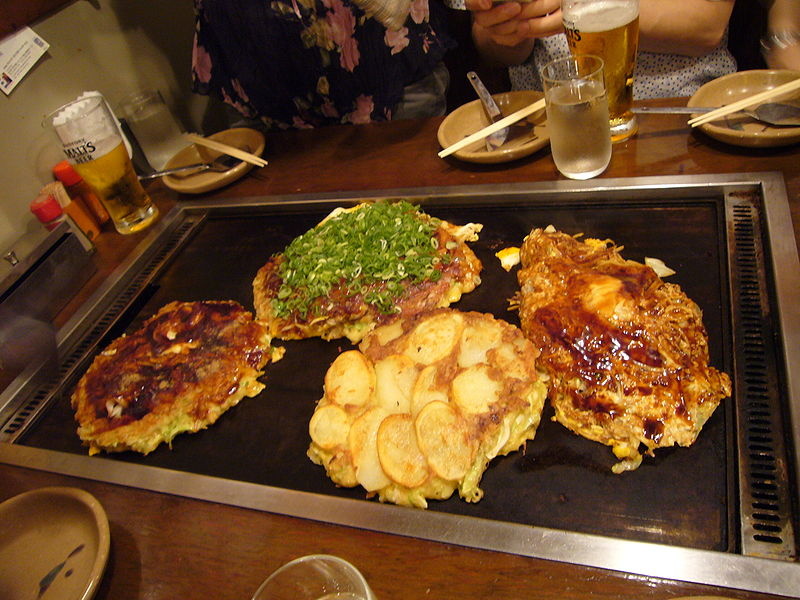
Okonomiyaki is an Osaka dish that is often cooked as method to use leftovers, but it is popular outside Japan as ‘Japanese pancake’ although it is more like savory dish than cake. The batter is made of egg and flour, and the topping consists of shredded cabbage, chicken, seafood or anything you want.

Gyoza
Gyoza is a type of dumpling originated from China, but the Japanese version has more garlic in it and the wrapping is thinner. It is filled with chicken, beef or pork, and eaten with soy sauce.

Miso
Miso is a famous soup that is made of miso paste (a kind of soy paste), seaweed and fish stock, with fillings such as tofu, vegetables and onion. It is often served for daily meals and very healthy.

Teriyaki
Teriyaki is a term for meat or fish dish that is cooked in sweet and savory sauce. The sauce is made of sugar, soy sauce, honey and mirin.

Oshiruko
Oshiruko is often called dessert soup, because it is sweet but look like thick soup. It is made of red bean and eaten hot with mochi or dumpling. It is often served during winter or as New Year dish.

There are still many signature dishes in Japan, but these 12 foods can be considered as the most iconic ones, both in and outside Japan.

Discovering the Marvelous Tribal Life in Baliem Valley, Papua, Indonesia

In addition to Raja Ampat, which is known for its wonderful marine tourism, Papua has another tourist attraction. If you have much with natural tourist destinations, why don’t you try a cultural, tribal one? Living in urban areas, you may not be familiar with the tribal life. You can enjoy it in Baliem Valley. Are you strange with the name? Perhaps; but, you will not be strange to the name “Wamena, Papua, Indonesia”, where Baliem Valley is situated.

Tourism Activities

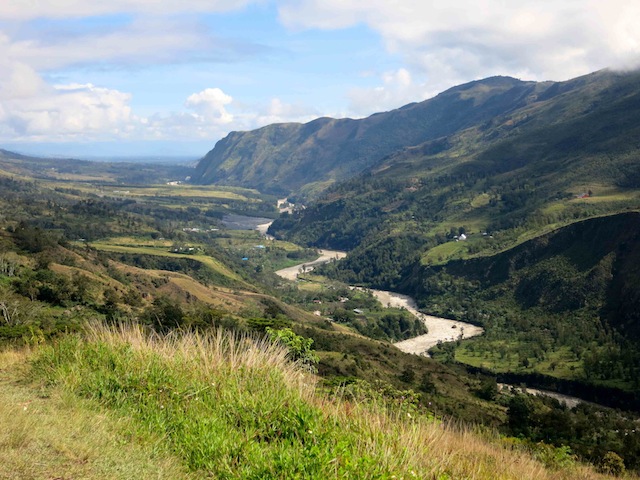
Trekking tribal villages is the main tourist activity in Baliem Valley. It is home to Dani people that are known for tough and warm spirit. There, you can still be able to meet local men with their penis gourd attire, living in stone-age villages. Uniqueness of the area is not limited to the people and the culture. You can also find unusual traditional architectures, namely, grass huts. Enjoy the fascinating views of forests, green fields, and rivers, with mountain as the background.

You can also go to the settlement areas of Lani tribe, Yali Tribes, and even to Asmat lands. You can begin the exploration from Wamena and follow the game trails to the neighboring valleys or to the mountains, which are accessible by walking, to get some fresh air. The trekking package takes about 30 days even though you can find much shorter expedition to the nearby villages.

Roaming through the markets in Wamena is another fascinating thing to do in Baliem Valley. If you do not have enough energy to hike 100 feet to Yali settlements, you may choose to take bicycle or rickshaw to explore the traditional markets. There, you can find fresh local fruits, local clothing and crafts, and some modern-style products like electronics and even car parts. You can take photographs of local children with their smiling face and show the photos to them (in fact, local children like to be photographed, particularly by the strangers).

Accommodation

You can find a number of hotels and accommodations in Wamena. However, if you come from a different province or from a different country and need to make online reservation, you only have a single choice, namely, the Baliem Valley Resort, a 3-star resort that is situated about 1.100 hectares away from the tribal villages. It is worthy knowing that few hotels provide internet connection, but if you need it, you can go to one of the internet cafes in Wamena.

Accessibility

To go to Wamena, you can fly from Jayapura; it takes about 40 minutes of air travel. Wamena has an airport terminal, in addition to an airstrip. If you are lucky, you can fly with military Hercules from Timika to Wamena or from Sorong to Wamena. The flight costs cheaper with Hercules, but you may not find a certain flight schedule.

Tips

The following tips may help you during a visit in Baliem Valley :

  • If you want to explore the tribal areas in and around Baliem Valley, you had better join a tourist agent or get a guide. Few local people can speak other languages, English even less.
  • Make sure you ask permission before taking photographs of anything in the market, particularly those from remote villages.
  • Make sure you prepare snacks and other stuffs you may need before night. Few areas have street lamp, and few stores open at night.
  • You had better allocate some extra budget when visiting Baliem Valley. Ever stuffs are flown there, and it is evident from the prices.

Singapore Iconic Menu to Try in One Day

Singapore is not only famous as a shopping and entertainment center, but also a food paradise. A melting pot of Malay, Chinese and Indian ethnicities, Singapore has rich food culture. It has been in the list of recommended countries to have culinary adventure in many travel magazines and websites for a long time. This time, let us show you 5 iconic Singaporean food and beverages (including really nice cocktail) that you can enjoy in a day, from morning until the evening.

Singaporean Breakfast Set

In a country rich in food culture, even a simple breakfast holds certain appeals. Singaporeans have many different breakfast variations, but one of the simplest and most favorite breakfast dishes is the Singaporean Breakfast Set. This seems like your typical toast and egg breakfast, but with some twists. The toasts are eaten with kaya spread, a type of creamy and sweet jam made of eggs, pandanus leaf and coconut. The eggs are soft boiled, and they come with a steaming cup of coffee or milk tea. Locals often break the toasts and eat the pieces by dipping them into the egg yolks, after adding soy sauce.
Some places recommended by Singaporean is Ya Kun, Killeney, ToastBox and Wang Cafe as these establishments have opened branches all over Singapore. In our opinion, the best Kaya Toast is from Killeney Kopitiam. It costs S$1.60 for the normal kaya toast and S$1.80 if you want it served on French loaf which is their main branch located at 67 Killiney Road, Singapore.

Laksa

Laksa is a Malayan noodle dish with coconut base broth, and places recommended by Singaporean is 328 Katong laksa located at 53 East Coast Road, singapore. This laksa dish is a variation of Malayan laksa called laksa lemak (‘lemak’ is a term given for its coconut milk based broth), which is slightly creamy but spicy. This noodle dish is unique because the noodles are cut into shorter pieces, so you can eat the dish with only spoon instead of struggling with long noodle strings, forks or chopsticks.

Chicken Rice

If you want something healthier and more fulfilling, try Nasi Ayam or Chicken Rice. This dish shares similarities with many other rice dishes in other Asian countries such as Malaysia and China (the famous inspiration is Hainan Chicken Rice). If you cannot handle hot dishes, this is the safer choice. The best place to enjoy this food is at Tian Tian Chicken Rice, one of the most famous chicken rice stalls in Singapore. Located at 443 Joo Chiat Road  Singapore. It even gained the approval of Anthony Bourdain when he was in Singapore.

Chili Crab with Mantou Bread

Chili crab is another iconic Singaporean dishes, and its dubbed down version often appears in various Asian themed restaurants around the world. However, nothing beats the kicking spices in the crab’s sauce. Chili crab was invented by Cher Yam Tian and her husband, Lim Choon Ngee, in around 1950’s. Since then, chili crab becomes a kind of national dish.

The crab is served steaming hot with generous amount of thick red sauce, which is sweet, sour and spicy. The original chili crab has delicious sauce that many people refuse to waste it away. Mantou or Chinese fried bread is often served with chili crab, so people can enjoy the sauce by dipping bread on it. The best place to try Singaporean chilli crab is at No Signboard Seafood. Try the signature Chilli Crab and Black pepper crab here. Located at 414 Geylang Road, Singapore.

Singaporean Sling

Finally, close your day by enjoying Singaporean Sling, an Asian cocktail first made around 1915 by a bartender named Ngiam Tong Boon. This cocktail consist of gin and brandy as the main alcohol, then mixed grenadine, cherry brandy, lemon or lime juice, pineapple juice, Benedictine and Cointreau. This is a type of straight up cocktail, means you drink it as soon as it is poured from the shaker, without ice.

The taste of this cocktail is described as rich, fresh and light, with foamy surface and fragrant smell from the fresh fruit juices and garnish. This is truly the perfect drink to end your culinary adventure in Singapore from morning to evening.