Words: Len Rutledge Pictures: Phensri Rutledge
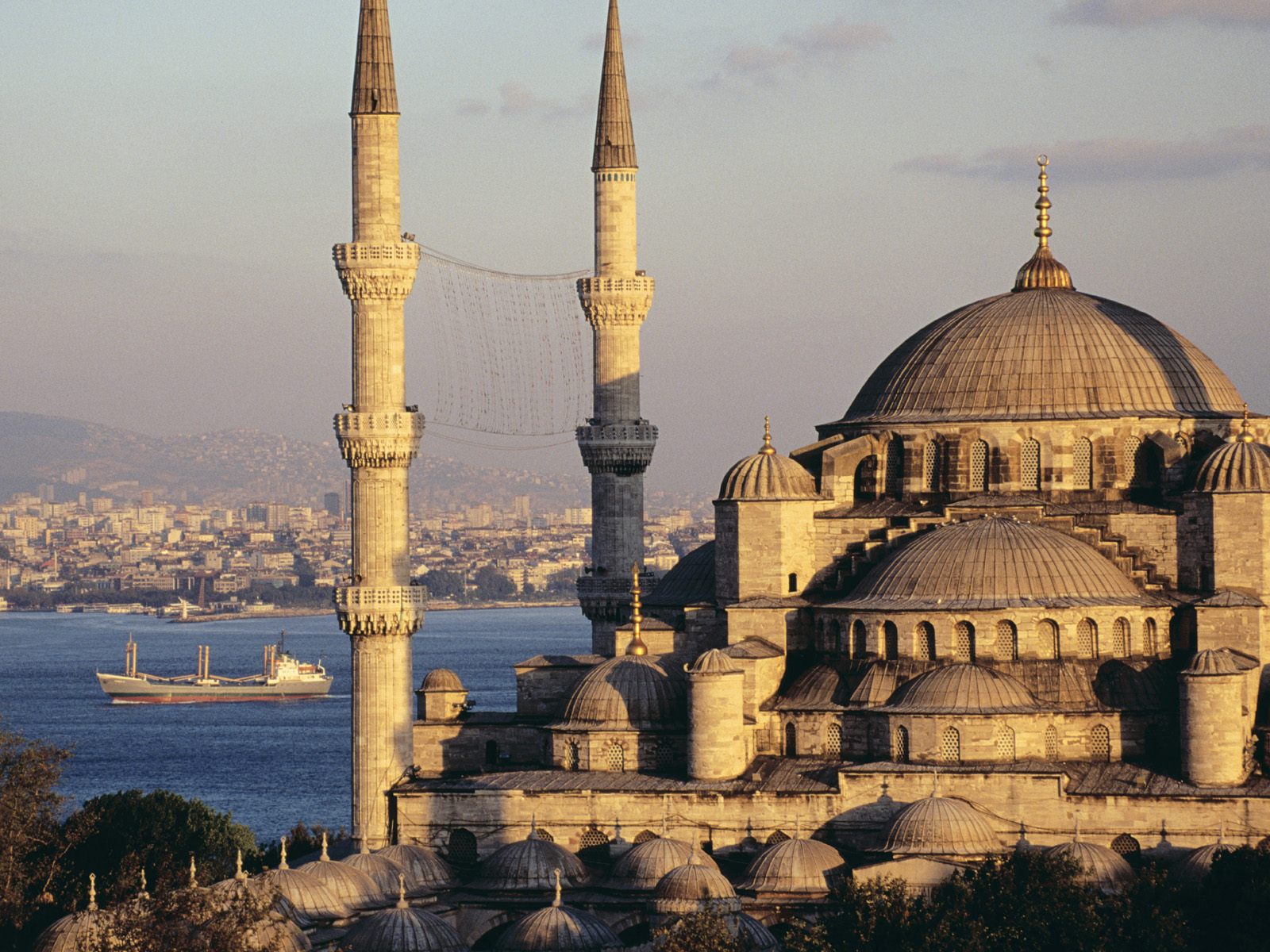
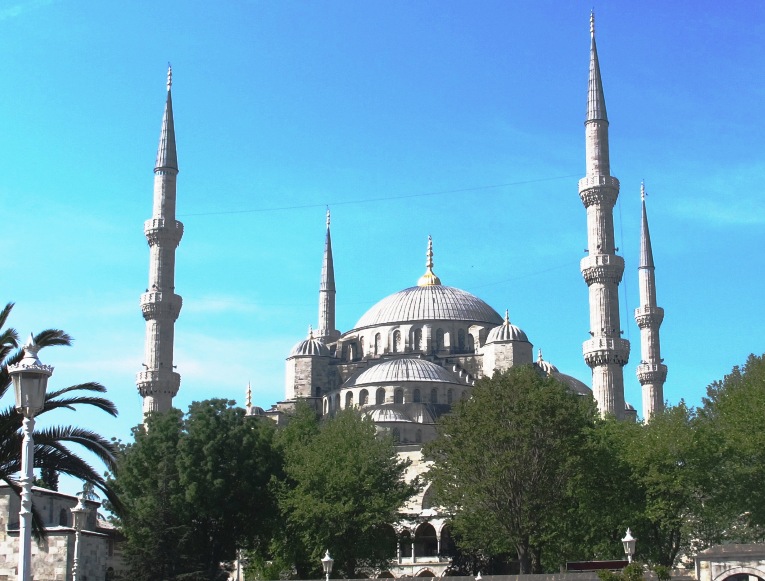
Istanbul sprawls between Europe and Asia and this has a profound effect on the city. The experiences here are like no-where else on earth. Where else does the haunting, age-old invocation to worship from a hundred minarets mix easily with clanging tram bells, western rap music and the noise of thousands of hawkers?
Don’t be fooled by the outward appearance of a modern Western city. It is still very much a Middle East Muslim city so non-Muslim visitors should be aware of the customs and traditions associated with that culture and religion particularly when visiting mosques.
You probably see this best of all in the Asian side of the city. This is the least visited part of Istanbul but I strongly recommend that all visitors should go there. There are few grand tourist attractions here but the whole area is different and more conservative compared to much of the European shore.
Getting There
The best way to start exploring the Asian side of Istanbul is by taking a ferry to Kadıköy or Üsküdar. Riding the yellow-striped vapur (local ferry) is a nice experience. I never tire of watching the scene from the back of the boat with a glass of hot tea and Turkish style bagel in hand. There are the seagulls, the call to prayer coming from a distant minaret, and the whistle of other boats to listen to, and just being out on the water produces a feeling of peace.
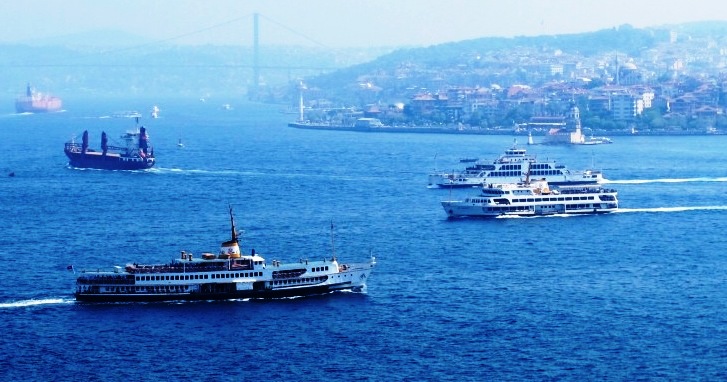
An alternate way is to take the train through the new undersea tunnel which links Europe and Asia. A 14 km section between Kazlıçeşme station on the European side and the Ayrılıkçeşme station on the Asian side went into service in October 2013 as p[art of a major transformation of the suburban railway system.
Kadıköy
Kadıköy is a lively place with a local feel. There are several alternative ways to go once you leave the ferry. One option is to turn right, then start walking the board walk. Thislines the entire neighbourhood, is several kilometres long, and it has some neat bazaars, antique shops, and restaurants along its length.
If you happen to be in town on a Tuesday, then you should head to the famous Tuesday market. Other days you can visit the dailyKadıköy market. It’s a different experience, but not less enjoyable. You will then see the beautifully restored Sureya Opera House with its Neo-classical facade.
Kadıköy is also the site of the 1828 vast, forbidding Selimiye Army Barracks, the site of the Crimean-War-era military hospital and the fascinatingFlorence Nightingale Museum.
Bağdat Caddesi
Undoubtedly the most famous street on the Asian side is Bağdat Caddesi, a brand-name shopping destination. If you thought of Asian Istanbul being behind the times, come here and be amazed. It easily ranks with London, Paris and New York for sophisticated shopping. Bağdat Street is kilometres long and has every shop imaginable. It is especially popular with Istanbul’s rich young people, and they come here to shop, sip a café latte and talk. Along its length are shopping malls, department stores, both local and international cuisine restaurants, cafes and pubs. Stores are open seven days a week.
Üsküdar
This was a Greek colony in the 7th century B.C., and today it is a popular, conservative middle-class area with many mosques, fountains, waterside mansions and palaces. The central business district, which lies adjacent to the harbour, is known for its reasonably priced clothing and shoe stores as well as its many antique shops.

During Ottoman times, the main Square in Üsküdar was the departure point for the imperial caravan as it set out on its annual pilgrimage to Mecca. The solid marble Ahmet III Fountain in the square was built by the Sultan in 1728 and it displays calligraphic verses written by Ahmet III himself.
The promenade, which stretches from the harbour to Harem, is an especially popular place to enjoy a steaming tea or a fresh fish meal because of its wonderful views across the water to Old Istanbul.
This is also the point from which a shuttle boat goes across to the Maiden Tower. This was first mentioned 2400 years ago but it has been reconstructed and renovated many times since then. It is now open to the public as a bar, cafe and restaurant and it has undoubtedly one of the greatest views in Istanbul. Some readers will remember that the tower appeared in a 1990s James Bond movie.
North along the Bosphorus
A succession of small villages lines the shore. Once you go under the First Bosphorus Bridge which connects Europe and Asia they seem to become prettier. Çengelköyhas huge oak trees with branches shading the waterside cafes and restaurants near the boat landing. The quaint fishing village is dotted with waterfront tea gardens while stately Ottoman era mansions rise up on the hill above.
Kanlica, a pretty village famous throughout Istanbul for its delicious yoghurt sweetened with a variety of toppings including fruit preserve, honey and icing sugar. Kanlica has a scattering of tea gardens along the shoreline and these are a popular place to watch the passing boats or admire the graceful waterfront mansions.
Beykoz is something of a tranquil haven with stunning natural scenery and somewhat dilapidated charm. The area has been settled for a long time and has repeatedly been fought over. Beykoz centre today, however, has a quiet village atmosphere with several Ottoman-era fountains, a few historical buildings and nice eateries.
Grand Palaces
The Asian shore is home to many of the grandest private homes in Istanbul and there are also some palaces opened as museums or hotels.
Beylerbeyi Palace was constructed between 1861 and 1865 and although it’s smaller and less sumptuously decorated than some of the city’s other palaces, it has a lovely position on the Bosphorus. The building has 26 rooms over three floors and there are spectacular Bohemian crystal chandeliers, hand knotted Hereke carpets and Sèvres vases. There is an impressive staircase leading up to the Palace with a pool and fountain and there are terraced gardens with two marble bathing pavilions and the pretty former stables of the Sultan.
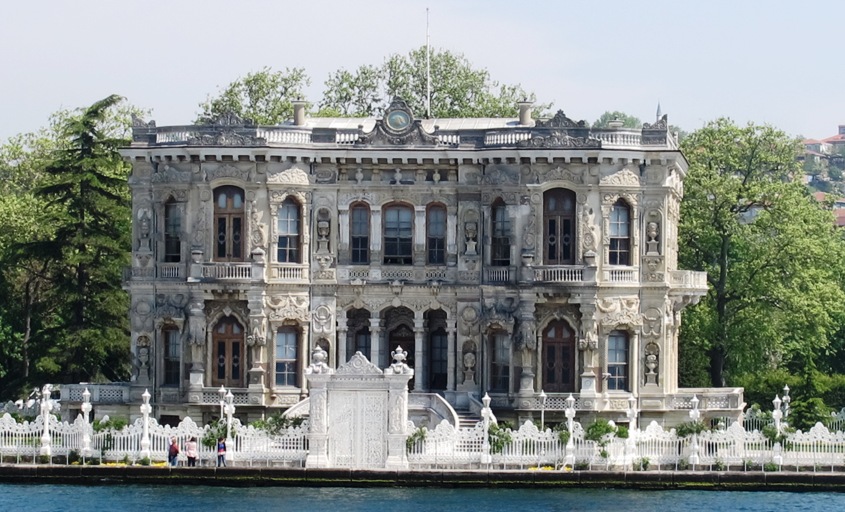
Küçüksu Palace, a small Rococo summerpalace (1857) over four floors which was used by sultans for short stays. This is another location which has appeared in a James Bond movie. The interior is lavish with Bohemian crystal chandeliers, antique furniture, mahogany floors and lavish carpets. There is a cafe in the grounds with good views of the water.
The Khedive Palace, a former residence of the Egyptian Governor high up the hill within a green park, is now a famous city landmark and restaurant, noted for its Sunday brunch. It is a beautiful example of ‘art-nouveau’ architecture and has a stunning marble fountain at its entrance. There is a cafe outside as well and the view and flowers are excellent.
Len Rutledge is the author of Experience Istanbul available as an e-book from Amazon