Category Archives: Indonesia

Toba Lake, the Beautiful Super Volcano

Ask any Indonesian to mention the most iconic natural wonder in North Sumatra, big chance he or she will mention Danau Toba (Lake Toba). This volcanic lake is one of the most distinctive in the world, because it has been deduced that this ‘lake’ is actually the mouth of a giant volcano (super volcano). Lake Toba and Samosir Island, which is located in the middle of the lake, are two natural wonders in North Sumatra that holds a lot of potentials as well as beauty.

History

According to geological point of view, this beautiful and serene lake was once a massive eruption site that brought drastic climatic change and phenomenon called volcanic winter. This is known among geologists as the Toba Catastrophic Event, which occurred around 75,500 years ago. Lake Toba that we know now is actually a caldera, and Samosir Island is a resurgent dome. However, while this volcanic lake spread terror and disaster thousands of years ago, it is now one of the most iconic natural travel destinations in Indonesia and the world. Let us see what this lake has to offer if you visit.

Natural Attractions

Lake Toba is rich in its biodiversity, with fertile ground and lush tropical forest around it, with many species of birds and mammals. On the higher ground, the forest consists of pine forests. The lake is also habitat of various species of phytoplankton. However, the lake itself is poor in nutrition, so there is not much fish living there naturally. Besides the endemic Batak fish (Rasboratobana), other fish species in this lake were introduced from outside.

Toba Lake and Samosir Island are beautiful and they make great photography objects. In addition, the lake water is naturally warm because of the volcanic nature; this makes many visitors love to take a dip in it. The volcanic nature of this lake also created several hot springs on the western part of Samosir Island with IDR 2000 (around 2 cents) as entrance fee, and free use of communal hot spring pool. Unless if you want to swim in ‘foreign tourist’s pool,’ which costs IDR 10,000 ($1).

The Offers

Locals who live around the Toba are mostly from Batak ethnicity. They are friendly and enthusiastic to help tourist get around, sometimes showing the nearest cheap restaurants or the best spots to take pictures. While their native languages are Batak, they mostly can speak Bahasa Indonesia. Many locals also perform in various dances specially presented for tourists, cooperating with travel agents and local restaurants.

Visiting Toba Lake has long become recommended itinerary for hotels and travel agents in North Sumatra. While there are now many public facilities and entertainment to enjoy around the lake area, there is nothing better than kicking back and enjoying beautiful view quietly, savoring the beauty of this super volcano that once had become so destructive.

Despite its history and adversaries that the lake faces now (including illegal logging, pollution and deforestation), Lake Toba and Samosir Island will still become North Sumatra’s iconic pride and continue to draw visitors from around the world.

Expedia.com

Komodo Island: The Isle of Roaming Dragons

If someone asks you where you can still see dragons nowadays other than in many fantasy movies, the answer is Pulau Komodo (Komodo Island). As the name states, this is the island where komodo dragon, a species of prehistoric monitor lizard, still roams freely and has never been altered from their original shapes from millions of years ago.

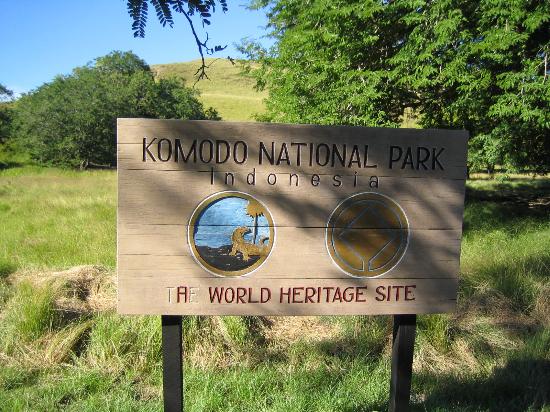
Komodo Island is located in the southern part of Indonesia archipelago, and is officially under the administration of East Nusa Tenggara province. The island has been included in the New 7 Wonders of Nature, and is actually a part of Komodo National Park. With the size of 390 square kilometers and around 2,000 of population, Komodo Island is located in a neat position between Sumbawa and Flores. The people here live side by side with various rare animal species that roam freely, including the famous Komodo dragon (Varanuskomodoensis).

History behind the Dragon Island

Legend about the ‘dragon island’ was first brought up by Dutch sailors posted in East Nusa Tenggara during the early 20th century. The sailors reported about giant dragons that roamed freely on the island, with were as large as 2 meters in length and could spit fire (actually poisonous saliva). A lieutenant named Steyn van Hensbroek then visited the island and killed one of the dragons, then ordered the specimen to be photographed and recorded, with the results being sent to Zoological Museum and Botanical Garden in West Java. Since then, the ‘dragon’ is called Komodo dragon, based on the name of the island.

Surely enough, Komodo dragons become the iconic animals in Komodo Island despite their ferocious nature. Komodo is a dangerous predator that can easily harm and kill large mammals, including humans. Their saliva contains 40 different types of bacteria and there is no cure for all these bacteria, and their sense of smell is strong. Therefore, women who are in their periods are forbidden to enter the island.

The Natural Attractions

Despite of the ferocious Komodo, this island also holds other natural attractions. Komodo Island has many Java deer, buffaloes, boars, wild horses, macaques and civets. The island also has unique species of cockatoo and friarbirds. It also has beautiful underwater view, and has become one of the most beautiful diving sites in Indonesia.

Roaming the beach in this island is also a unique experience. Besides seeing the lives of locals, we can also see pink beach. This phenomenon happens because the sand consists of red sand, white sand, and small pieces of Foraminifera. This pink beach is one of only seven other similar beaches in the world.

The popularity of Komodo Island inspired various travel agents and hotels in East Nusa Tenggara to arrange Komodo related activities. There are Komodo expedition trip, diving package, Komodo kayaking and camping. However, if visitors want to see Komodo, they must visit via the national park’s office, so there will be experienced guides to accompany them.With its unique fauna, natural beauty and long last legend of the ‘real dragons,’ the Komodo Island will still become a one of a kind island in Indonesia archipelago.

Bunaken, Underwater Paradise in North Sulawesi

As a maritime country, Indonesia is famous for its various diving sites. One of the most colorful diving sites is Bunaken Island, which is located in North Sulawesi and a part of Manado municipality. The Island is only 8 km square in size, but it has one of the richest marine biodiversity stuffs in the world.

Bunaken Island itself is a part of Bunaken National Marine Park. It has been the pride of people in Manado since first established in 1991. Many divers and snorkelers around the world make this island one of their must-visit places for diving. It is not surprising considering its underwater beauty.

Bunaken got its rich biodiversity from the meeting between Northeastern currents and their counter currents, which constantly create a large swimming larva and plankton traps. This, in turn, attracts various species of animals that eat those larva and planktons, and in turn attract more large animals, forming a biodiversity. Other factors that make Bunaken so rich in life forms are its constantly warm water, being a tropical sea with temperature that ranges between 27 and 29 Celsius degree. This is an ideal condition for various marine plants and coral reefs to grow and multiply.

Biodiversity of Bunaken

Many divers and snorkelers have described incredible view under Bunaken water; not only because the water is clear blue, but also because the underwater life is very rich. It is said that Bunaken has about 70 percent of all fish species in Indo-Western Pacific, as well as having 7 out of 8 species of rare giant clams in the whole world.

Divers can also see hundreds of coral fish species, among them are damsels, gobies, clown fish and groupers. Other animals include sea turtle, several species of sea horses, colorful coral reefs and sponges. In fact, Bunaken has about 70 coral genera, which is claimed to be more than those in Hawaiian Island. There are also unique, rare animals such as dugongs. Bunaken is so famous that Department of Tourism always puts this island and one of the most recommended destinations for people who visit Eastern Indonesia areas, especially Sulawesi.

How to Enter Bunaken

To reach Bunaken, visitors can depart from Manado by boat in a 60 minutes trip. Public boats are available every day except on Sunday, with quite cheap fares; around $2.5 (IDR 25,000) for tourists. The boat departs at 2-3 PM and returns from the island at 8-8.30 AM. Many travel agents also arrange trip to the island with chartered boat. The entry fee to the island is $5 (IDR 50,000).

Bunaken also offers other activities. For example, instead of diving, visitors can join a hiking trip to see Bunaken’s coastal beauty from hilltop. Visitors can also join local anglers for a fishing trip, or hire boats to watch whales and dolphins. The beach is also nice for lazy strolling, but visitors must be careful about sea tide rising. Bunaken is clearly one of the most beautiful natural attractions Indonesia has, and its rich biodiversity suitably earns it the reputation as the underwater paradise in North Sulawesi.

Discover World Heritage on Expedia.com!

Exploring the Wonder of Crude Marine Tourism at Raja Ampat

That Indonesia is a wonderful tourist destination is not a secret. It is home to many stunning islands, diverse cultures and delicious foods. Indonesia has so many wonderful tourist destinations that offer naturally rustic environment, which you cannot find in Bali or in any other established destinations. One of them is Raja Ampat in the Province of Papua, Indonesia.

What to Do

  • Diving

Raja Ampat is the destination of choice for divers and marine tourism lovers. It is even said to be one of 10 world’s best places, if not the best one, for diving since it has rare seawater flora and fauna. It has more than 600 species of coral reefs, which are not found at any other areas anymore. Preserved coral reefs are found in the strait between Waigeo Island and Batanta Island, in Kofiau, Misool, and Wayag Islands.

  • Boat Tour

Exploring the islands using a boat is an amazing activity to do in Raja Ampat. Renting a small boat, you can explore the islands freely. You can travel to the four main islands, with their hilly contour, and hundreds of other smaller islands. It is for sure, you will be amazed by the natural panorama surrounding you.

  • Trekking

Another way to explore the islands is trekking. Raja Ampat is known for scarce, unique fauna, like bald Cendrawasih, red Cendrawasih, maleo, waigeo, or kus-kus. In addition, trekking in the area of Tomolol will bring you to old bat caves, rare orchids or palms. Having a seat near to the natural falls in Salawati Island soothes your soul and mind, of course. There is also a traditional village in Waigeo, where you can sightsee and enjoy the unique and rustic environment.

What to Buy

Papua community is known for unique handicrafts, made of natural materials, particularly wood and bamboo. To get something interesting for your beloved ones at home, you can go handicraft centers or souvenir stores, such as plait crafts (anyaman) at Arborek, South Waigeo Island. You can bring the following stuffs home.

  • Sculptures, made by Asmat community; you can also learn to make the sculpture with the assistance of Asmat crafters.
  • Traditional clothes
  • Traditional flutes, and some other crafts

Where to Live

Raja Ampat is under large construction projects for accommodations in the Tourist Center, namely Saonek Monde, resorts in Nyandebabo, Waiwo Island, and South Wiageo Island. Right now, you have some alternative resorts, including:

  • Island camps, where you can enjoy local dishes like fish soup
  • Boathouses that are usually provided by diving agents
  • Kri Eco Resort, a unique resort with rustic style, built over the water
  • Sarido Bay Resort, which provides you with the joy of a house reef style
  • Hotels and resorts on Saonek Monde, Mansuar island, and Tenwupnor island

You may have to allocate relatively substantial amount of budget for a visit to Raja Ampat. From Jakarta, Indonesia, you fly to Sorong via Manado. The flight takes about 6 hours. From Sorong, you can go to Raja Ampat using speedboat or long boat for about 40 minutes of travel time. The standard transportation cost to Raja Ampat ranges from IDR 1 million to 1,2 millions. Surely, the cost and time you invest to visit Raja Ampat will be paid by the joy and unforgettable experience you get.