Tag Archives: costa rica

Luxury Destination Travel Post-COVID: 5 Things to Consider

While many favorite global destinations were off-limits in 2020 due to the COVID-19 pandemic, 2021 and beyond promises a post-COVID world. Thanks to the steady rollout of vaccinations, we can look forward to travelling in a post-COVID world sooner rather than later. As we plan our future luxury travel trips, it’s important to think about where to go, what to do, how to get there, and more.

  • Where to Go
post-covid

Deciding where to go is the first step in traveling after the virus. You will need to pay attention to what health requirements certain countries require, so as to choose countries with few entry requirements or ensure you’ve taken the correct steps before embarking on your trip.

Some countries will open to tourists earlier than others. In fact, countries such as Costa Rica have already been open to tourists for months—you don’t even need vaccination to take a holiday at a private luxury vacation rental in Costa Rica (at the time of writing). Conversely, other countries and even airlines are likely to require proof of vaccination before you can enter the country or aircraft. So be sure you’re aware of the necessary health requirements for your destination and transportation of choice.

If you’re having trouble deciding where to travel, it might be helpful to consult with a luxury travel expert, whose job it is to stay up-to-date on the latest travel requirements. They also have the connections and experience necessary to plan a customized and seamless vacation for you. If you choose not to consult with a travel professional, ensure you check and double-check the health requirements you’ll need to fulfill before embarking on your trip.

  • What to Do
post-covid

Once you’ve decided where you’re going, it’s time to check out the available activities. If you’re heading to Africa, for example, going on a safari to see the wildlife is an unforgettable experience. Or, if you’re heading to a big city like Paris, consider historical tours or visits to local cafes.

Don’t forget to build time into your schedule to relax. A vacation isn’t really a vacation if you’re stressed about making a bunch of deadlines or adhering to an inflexible plan. Having at least two rest days built into your schedule (depending on how long you’re traveling) can help everyone unwind and enjoy themselves.

  • How to Get There
post-covid

One of the most important considerations for traveling post-COVID is which transportation method is safest and most convenient. No matter whether you’re flying in-country or internationally, you’ll likely need to participate in pre-flight virus testing to make sure you’re clear to travel. It’s crucial to book your flight and your pre-flight test at the required intervals to obey all safety precautions.

If you’re driving, you’re less likely to need a test. However, you should still obey all health and safety protocols of the areas you’re traveling through and traveling to. This is especially true for road trips where you may be crossing multiple borders.

  • What to Eat

Arguably one of the best parts of any luxury vacation is the food. Fine dining can make the difference between an “okay” getaway and one you’ll savor. When you’ve decided where you’re going, search for the best local restaurants and eateries to sample once you’re there.

Don’t rely only on the “big name” restaurants—ask the locals or a coffee shop barista for their favorite recommendations. You can discover hidden gems with truly authentic cuisine when you venture from the well-worn tourist path.

Restaurants and the food industry, in general, were hit hard by the pandemic, so the coming months and years are going to be crucial for keeping smaller restaurants afloat. Next time you travel, forgo eating at international chain restaurants in favor of supporting local establishments.

  • What to Pack

What to put in your suitcase will be even more important in post-COVID times. Whether or not masks are still required at your destination, they’re almost certain to be required on public planes for a while, and it’s still a good idea to take a few masks even if you’re flying private.

Similarly, don’t make the mistake of thinking hand sanitizer and cleaning wipes will no longer be needed post-COVID, these supplies were a good idea before COVID and they’ll continue to be a good idea after the virus is under control. You don’t want to get sick from getting any virus at all during your trip, so it always pays to quickly sanitize often-touched surfaces like light switches, doorknobs, and the toilet handles at your destination. A COVID vaccine doesn’t equal protection from every virus.

Post-pandemic travel is closer than ever since COVID-19 first emerged. While many people are understandably eager to revisit their favorite destinations as soon as feasible, be sure to keep these important tips for traveling in a post-pandemic world in mind before your next trip.

A Guide to Visiting Animal Sanctuaries Around the World

Sloth in animal sanctuary

Swimming with dolphins, riding horses, or hanging out with sloths: these are just a few items that might be on the bucket list for an animal lover. Fortunately, for those of us willing and able to travel, this dream can become a reality on your journey abroad in a way that’s not harmful to the species or animal itself. 

The Global Federation of Animal Sanctuaries defines an animal rescue or sanctuary as a facility that provides care and protection for wild and domesticated animals. While some organizations are entirely rehabilitation-based, others provide lifelong care for the animals in their charge if release is not a viable option. Many sanctuaries are locally run and operated by those who aim to promote the welfare of not only the individual animals but the entire ecosystem as well.

Animal Sanctuaries Around The World

The world is full of wonders. For some, it’s the people, plants, and wildlife that amaze and intrigue the most. Many sanctuaries work to conserve threatened and endangered species while offering life-changing opportunities to interact with these animals.

Costa Rica alone has several highly rated animal sanctuaries that offer protection for wild and domesticated species. It’s common for sloths, exotic birds, and monkeys to be found in sanctuaries such as the Alturas Wildlife Sanctuary, Jaguar Rescue Center, or Osa Wildlife Sanctuary.

“There are many amazing animals in Costa Rica,” Alfred Decarolis, the owner of Casa Teresa, said. “For visitors, seeing these species thrive right before your eyes imbues you with respect for the work and a desire to help—even after you leave.”

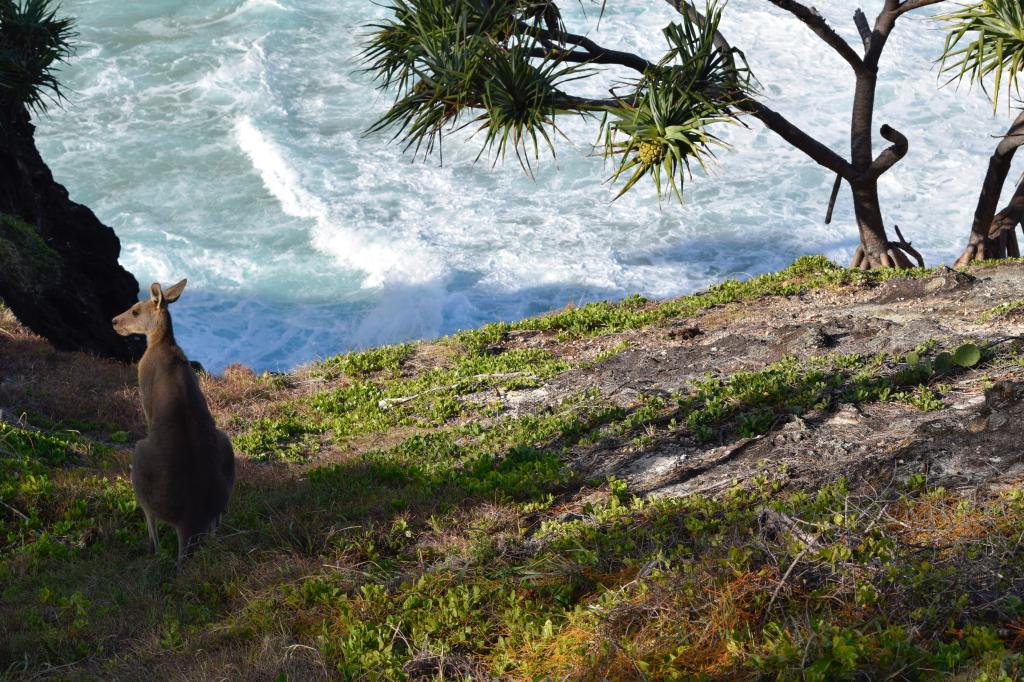
If you happen to be in Australia or New Zealand, you’ll find opportunities to pet, swim with, or feed several species unique to the Land Down Under. Between ziplining adventures, helicopter tours, and local cave explorations, there are an enormous amount of animal sanctuaries to explore. In Australia, try out Featherdale Wildlife Park or Warrawong Wildlife Sanctuary, or in New Zealand, try out Zealandia.

kangaroos

In Japan, the island of Tashirojima has become not only a sanctuary for cats but a paradise for them as well. Cats are fed and taken care of by locals and visitors alike on an island that celebrates their quirks and usefulness. To this day, people still pray at the local shrine dedicated to a former feline resident of the island.

On a different island in Borneo, Indonesia, Tanjung Puting acts as a national park and prominent orangutan sanctuary. Various species of plants and other animals are protected here from deforestation. The park is open to the public and serves as an educational hub for the local environment. Guests can spot rare birds and unique plants, as well as feed orangutans. 

Travelers stopping in Croatia will discover numerous national parks, each offering a different experience. A few of these island parks require a boat ride to access them. While there aren’t many opportunities to interact directly with the protected wildlife here, exotic animals such as zebra and elephants can often be spotted on safaris around the parks.

How You Can Help

When animal lovers see a furry, scaly, or feathered friend in need, their instinct is to help. However, this is a task that should be left to the experts who understand the effects that one touch can have on an animal. 

horse

Rescues are proof of this. But in order to maintain quality care, many sanctuaries rely on donations and the volunteer efforts of locals and travelers with a soft spot for animals. 

For those with wanderlust and philanthropic tendencies, there are several volunteer destinations that allow you to travel the world and lend a hand to elephants, sea turtles, and everything in between. Volunteers can assist with cleaning, feeding, and other helpful services benefitting the sanctuary’s animal population.

For recuperating animals, a healthy diet is important to improve an animal’s well-being. Whether it’s man’s best friend or nature’s fiercest predator, nutrition is vital—especially in rehabilitation cases. Proper funding provides the necessary resources needed for the animals in their care. 

Participating in animal tourism and donating are just two options that allow you to support animal sanctuaries. Whether you’re handling these animals or watching them from afar, it’s important to leave things as they are. Tread lightly during your visits to some of the most beautiful and exotic animal sanctuaries around the world. The animals there will thank you for it.


Top Volunteering Destinations – Travel to Make a Difference

Most of us love traveling because it allows us to see unique things, meet new people and gain all sorts of different experiences. It is through these experiences that we get to develop as people and get a new perspective on life. However, other than traveling for pure pleasure, you can also consider volunteering during your travels which will not only help people and animals in need but it will bring you satisfaction as well. Take a look at some of the top destinations where you could go to really make a difference.

Experience life on a Native American reservation

Image source

If you would like to help preserve the cultural identity of Native Americans, you can choose to volunteer at one of the reservations that require additional services. Some of the things you could contribute include maintenance and construction, painting houses and tending to gardens. Then, if you would rather work with people, you can provide assistance to the elders of the community by taking them to grocery stores, parks, museums or by helping them around the house and preparing meals. If kids are more your forte, you can supervise field trips, read them books or play various games. Furthermore, if you have a medical or social services degree, you can provide them with assistance during some crisis or even give advice or run workshops to share your knowledge. For instance, you can consider the Blackfeet Indian Reservation or the Navajo Nation.

Contribute to Ghana’s development

Image source

You have another great opportunity to help people by visiting Ghana. This colorful African nation offers plenty of volunteer options that are all aimed at supporting the local communities and developing the quality of life. For example, if you like working with children, you can help out in nurseries, schools and orphanages. Teaching kids to read, playing with them and providing them with essential assistance will be very fulfilling. Moreover, you can also work in hospitals; even if you have no experience, you can help out with some basics. Finally, lending a hand when it comes to building schools is always welcome.

Help the conservation of Australian wildlife

Image source

In case you would rather volunteer with animals abroad, you definitely need to consider going to Australia. By opting for this path, you will get to work with rangers at a local NSW wildlife park and be surrounded by the wonderful wildlife. The park participates in rehabilitating animals that have been orphaned or injured and you will help with their care. What is more, there are breeding programs that help increase the survival rate of certain rare and endangered native animals. Other than caring for the animals, you will also be involved with cleaning and maintaining their enclosures by mending fences and fixing up various things around the park.

Save the sea turtles in Costa Rica

Image source

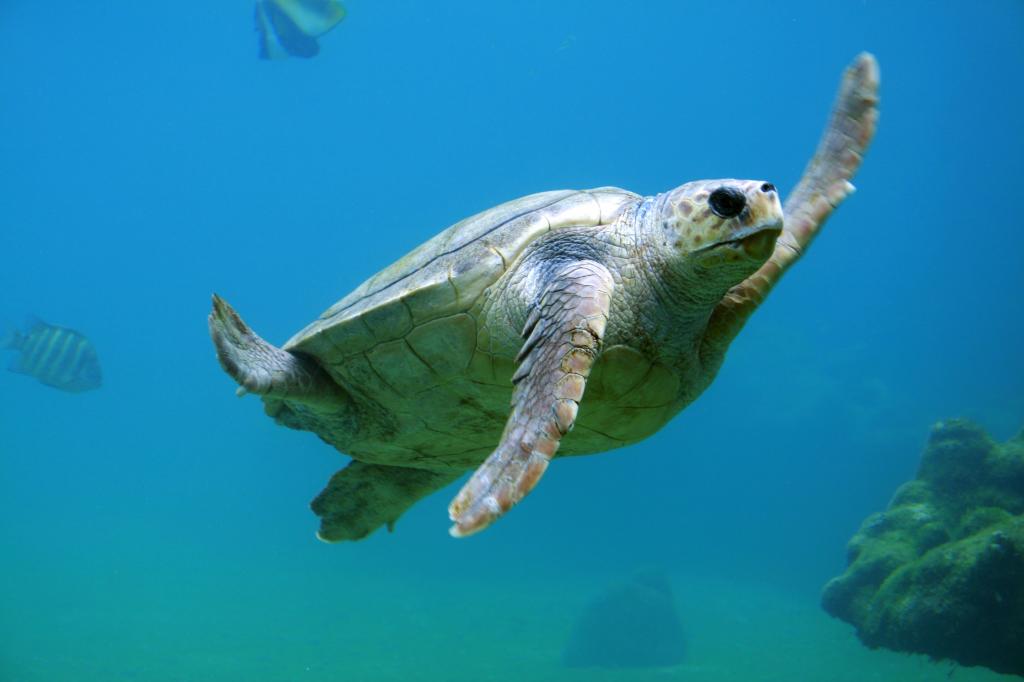
Costa Rica is an amazing destination for students looking to travel and volunteer during their gap year. The cost of living in this gorgeous Central American country is not super expensive and it offers plenty of opportunities. Seeing as how they have so many stunning beaches, it is no wonder that turtle hatchlings happen all year long. However, the sea turtle population is in decline due to poaching and pollution. This is where volunteering can play a big role. You can help with the conservation of sea turtles by joining one of the many programs available and patrol beaches, man hatcheries and assist in rehabilitation centers. In addition to sea turtles, there are also conservation centers that work toward protecting sloths, jaguars and butterflies.

Work at an elephant sanctuary in Thailand

Image source

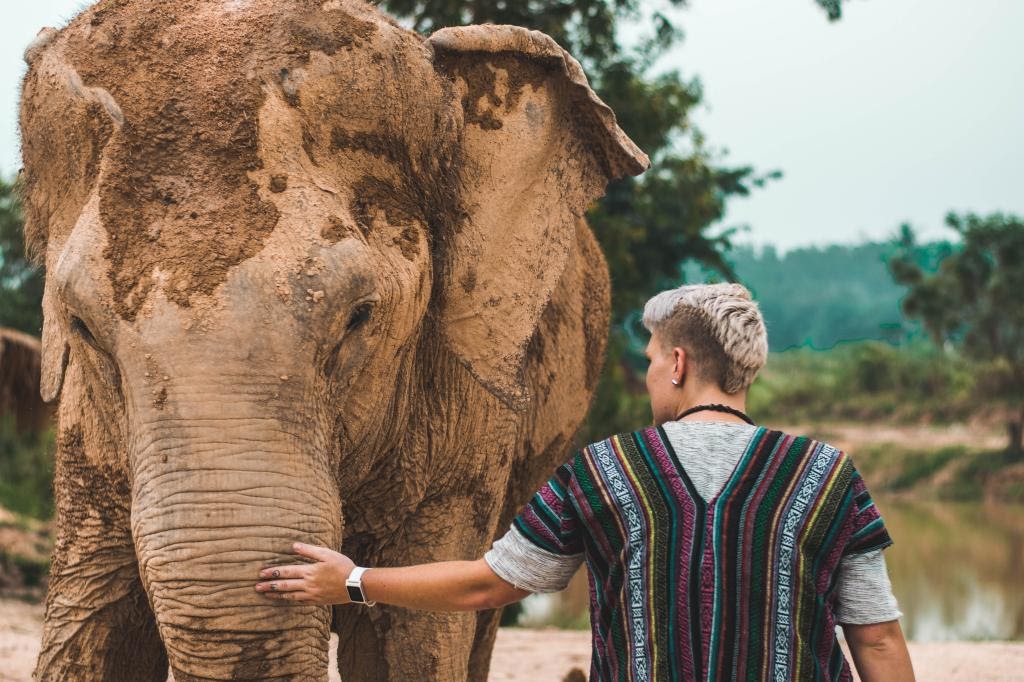
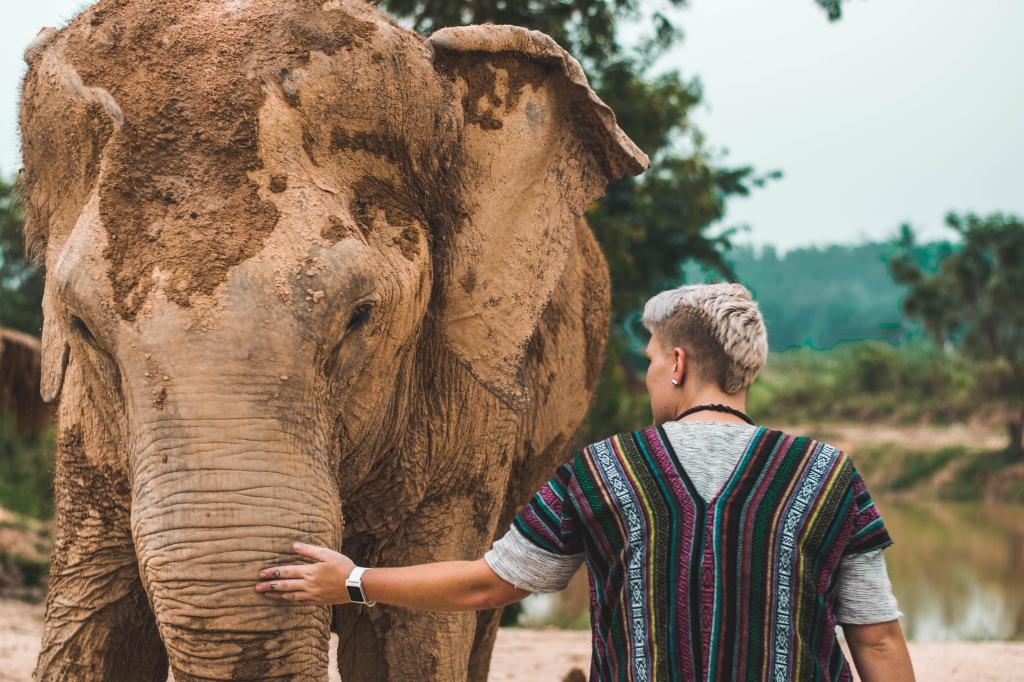
Millions of travelers visit Thailand every year and unfortunately, a lot of them opt for riding on an elephant’s back during this time. While it may seem like a fun activity, most people are unaware of how these gentle animals are being treated. Luckily, there are many organizations working to protect elephants and encourage proper and healthy treatment. You will get hands-on experience by taking care of rescued elephants in sanctuaries that allow them to roam around huge pieces of land. What is more, retired elephants can no longer be returned to the wild and they require human assistance for daily care. When looking for an organization to work with, make sure they are reputable and treat these animals properly and ethically.

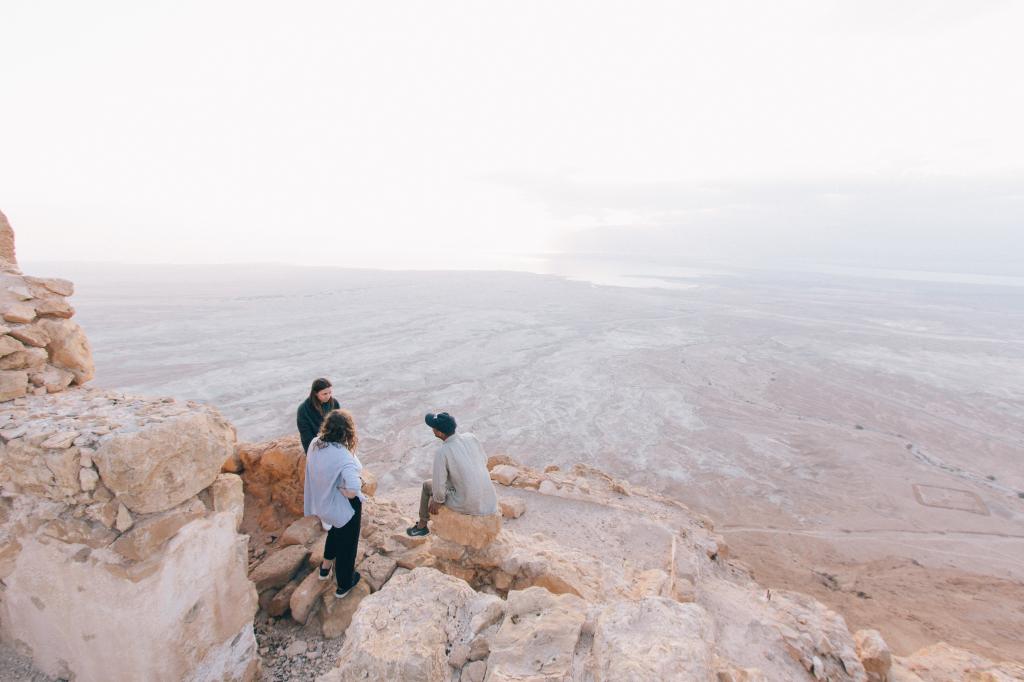
Try your hand at archeology in Israel

Image source

Israel offers a wide variety of volunteering opportunities from marine and wildlife conservation to teaching English and building eco-friendly lodges. However, you can also get a first-hand look at all the history that this country is famous for by sifting through many archeological sites. No previous experience is needed, which is great for everyone who wants to learn something new. But keep in mind that this is tedious and difficult work including a lot of digging, shoveling and hauling earth.

These six locations are all unique in their own way and you will surely find a way to help if you decide to visit them. Try something new if you want to be challenged or rely on your skills and really make a difference in the world. Bon voyage!